Unit 1 • Topic 1

The Renaissance in Italy: Origins and Defining Characteristics

This topic explains how Italians came to see their era as a rebirth of antiquity and why historians still treat the Renaissance as a distinct period, even while recognizing important continuities with the Middle Ages.

Estimated study time: 12–15 minutes
Mode: Learn and review
Unit progress: 1 of 12 topics
Brunelleschi's dome rising above Florence
Florence was one of the wealthiest and most influential city-states of Renaissance Italy. Brunelleschi's dome became a symbol of civic ambition, artistic innovation, and the urban prosperity that helped make Florence a center of Renaissance culture.

Essential question

What developments made the Renaissance a distinct cultural era in European history?

The Renaissance emerged first in Italy during the long recovery from the disasters of the fourteenth century. Many Italians believed that their age represented a rebirth of classical Greek and Roman civilization. They contrasted their own world with what they saw as the cultural limitations of the Middle Ages. Modern historians no longer treat the Renaissance as a complete break from medieval Europe, but they still identify it as a distinct period because of its urban setting, its revived interest in antiquity, and its renewed confidence in human potential. In Italy, wealthy city-states created an environment in which commerce, politics, art, and intellectual life reinforced one another. The Renaissance therefore was not only a cultural movement. It was also a product of specific historical conditions that shaped how educated elites thought about society, achievement, and the past.
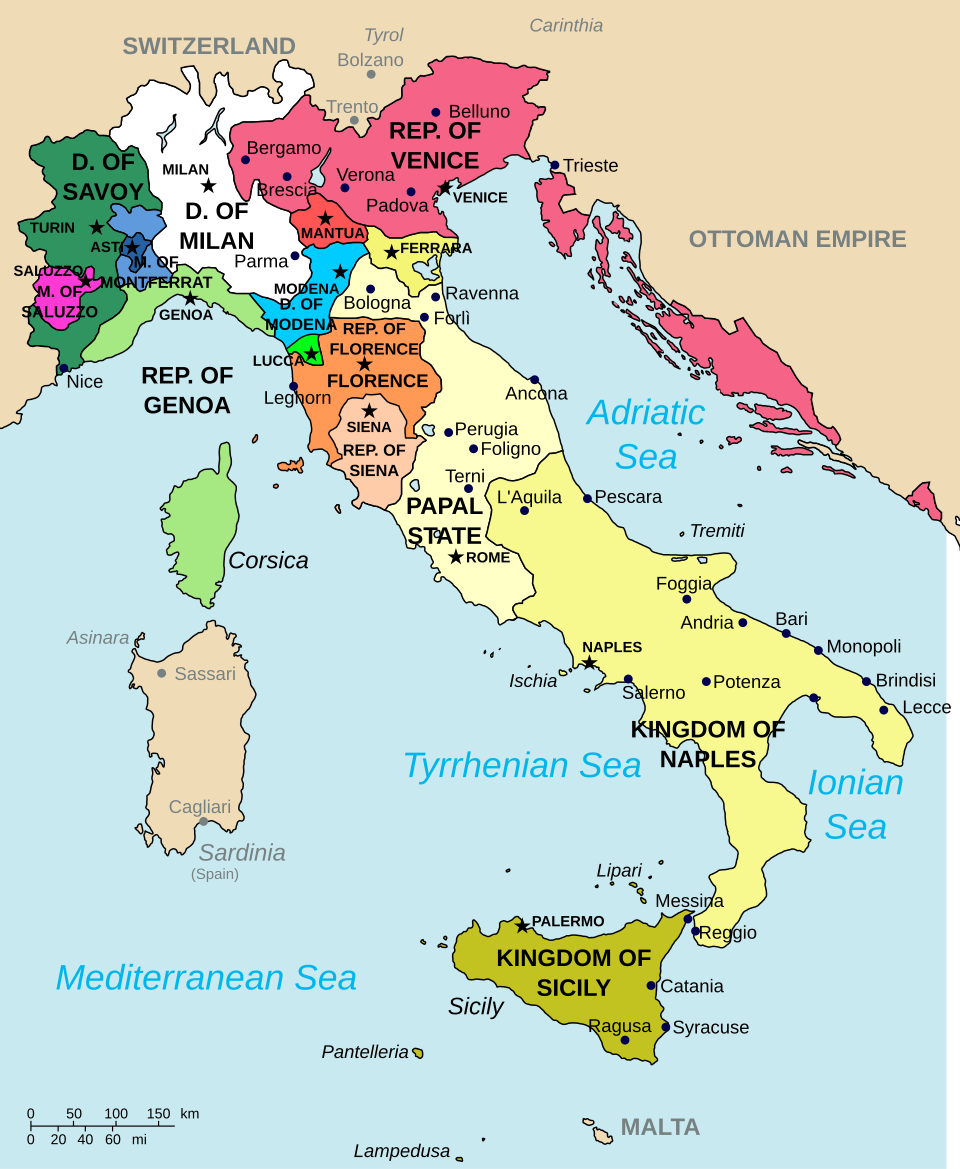
Map of Italian city-states in the late fifteenth century
During the Renaissance, Italy was divided into independent states such as Florence, Venice, Milan, Naples, and the Papal States. Political fragmentation encouraged rivalry, diplomacy, and cultural competition rather than unified national rule.

Interactive concept explorer

Open each section to build the full picture

1. Why the word Renaissance mattered

Renaissance means rebirth. Italians between about 1350 and 1550 increasingly believed that they were recovering the cultural greatness of classical antiquity. They looked back to ancient Greece and Rome as models of literature, art, and intellectual life. At the same time, they described the centuries after the fall of Rome as a middle period that lacked the refinement of classical civilization. This way of thinking shaped how later historians discussed the period. In the nineteenth century, Jacob Burckhardt popularized the idea that the Renaissance marked the birth of the modern world. Although scholars today reject such a sharp break, the label remains useful because it captures a real shift in cultural outlook.

Raphael's School of Athens fresco
Raphael's School of Athens reflects the Renaissance revival of classical learning. By placing ancient philosophers at the center of a grand fresco, the work captures the humanist conviction that Greek and Roman thought could guide modern intellectual life.
2. The Renaissance grew in an urban Italian setting

Renaissance Italy was primarily an urban society. Northern and central Italy contained powerful city-states whose commercial success and political independence made them centers of economic and cultural life. These cities dominated the surrounding countryside and concentrated wealth in the hands of merchants, bankers, and political elites. Urban prosperity mattered because it gave patrons the resources to support artists, scholars, and architects. It also encouraged a more secular spirit, meaning a greater interest in worldly life and human affairs. This did not eliminate religion, but it did help produce a society in which public prestige, civic identity, and cultural competition became major forces.

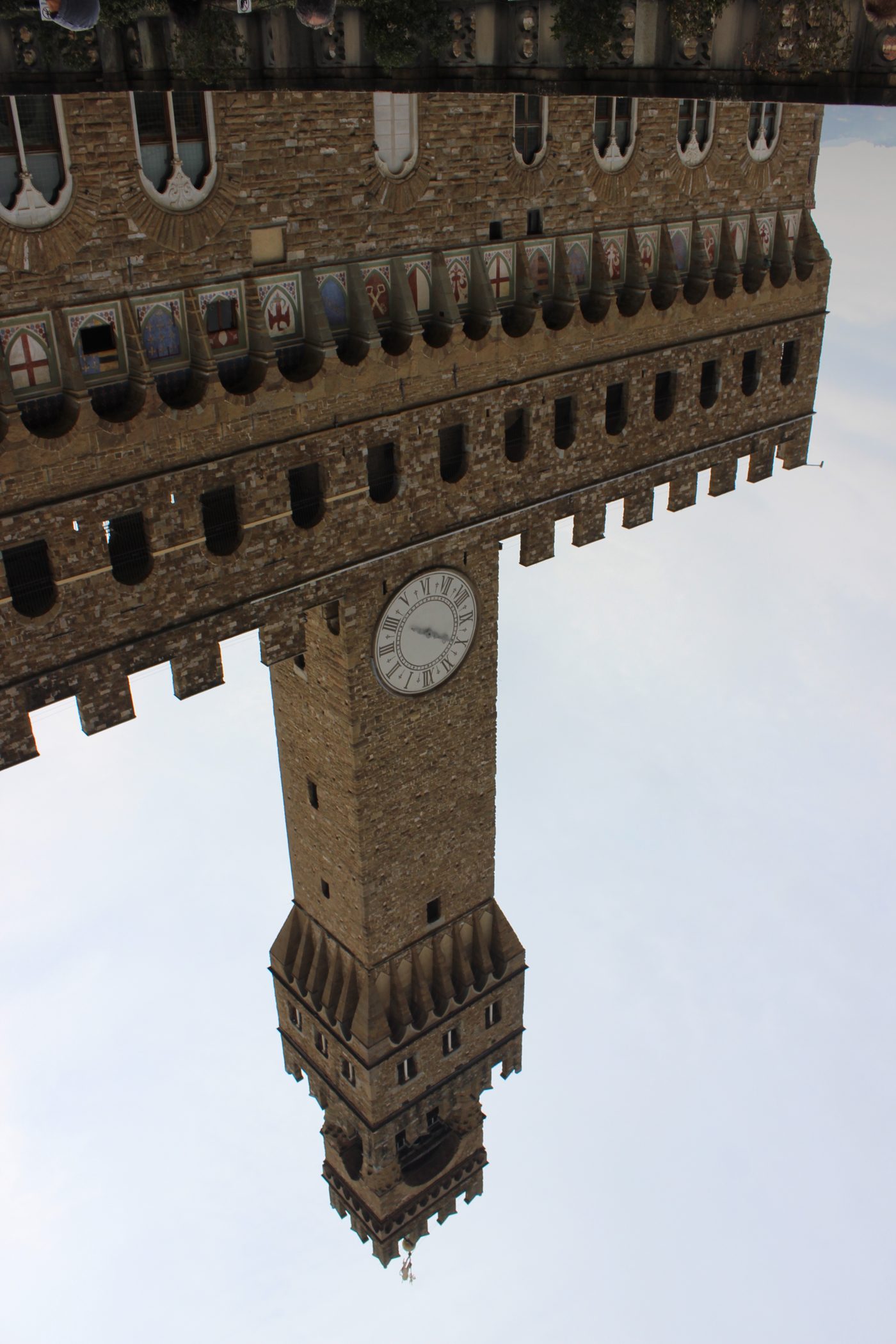
Palazzo Vecchio in Florence
The Palazzo Vecchio served as the political headquarters of the Florentine Republic. Independent city-state governments created competitive urban environments that encouraged public building, civic identity, and cultural prestige.
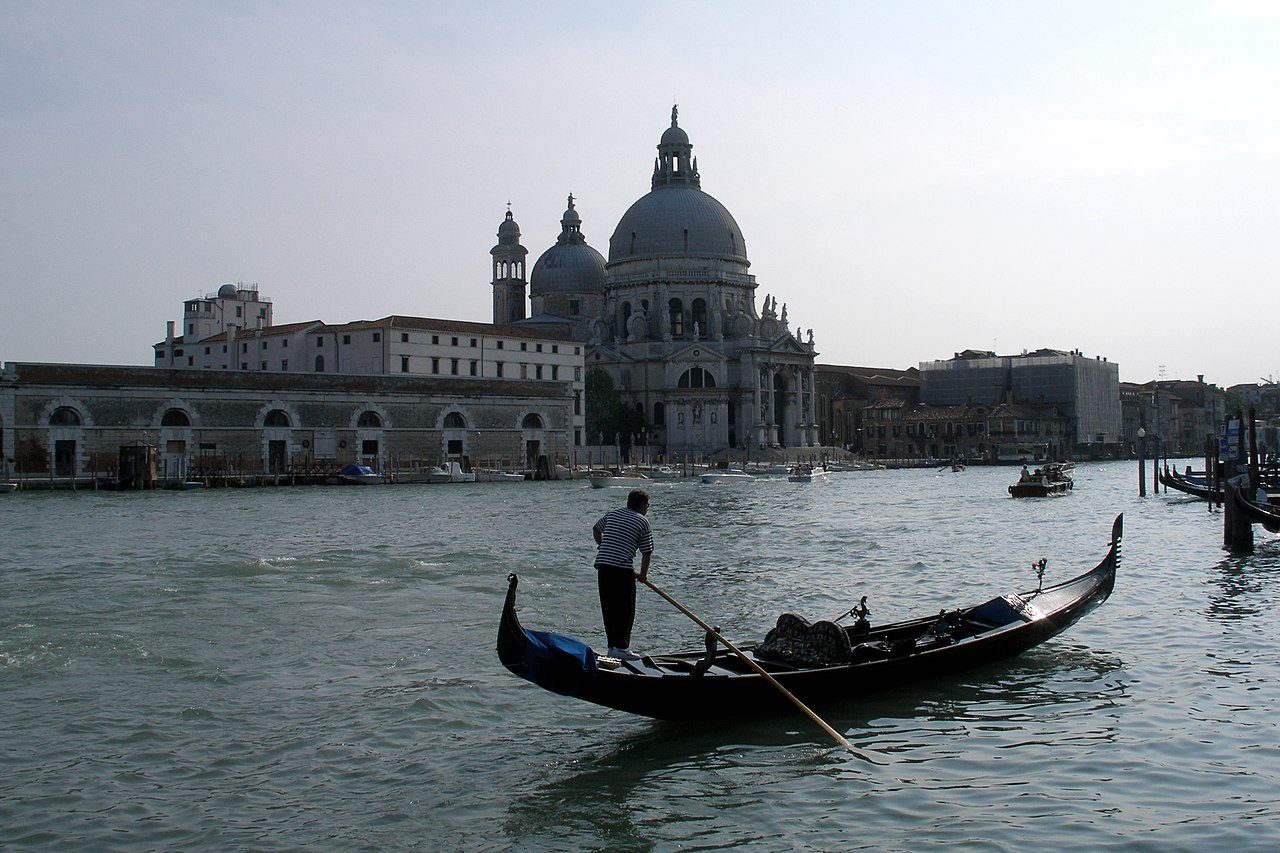
Grand Canal in Venice
Venice was one of the most powerful trading centers of the Mediterranean world. Commercial wealth helped cities such as Venice and Florence support scholarship, art, and architectural development.
3. Recovery after crisis made renewal possible

The Renaissance followed the calamitous fourteenth century, an era marked by the Black Death, political disorder, and economic recession. Italy’s cultural flowering should therefore be understood partly as an age of recovery. As society slowly recuperated, educated Italians looked for models that could express renewal and confidence. Classical antiquity provided that model. The rediscovery of ancient texts and ideas offered intellectual tools for rethinking politics, art, and the place of human beings in the world. The Renaissance was not simply a spontaneous burst of creativity. It was also the product of historical recovery after crisis.

4. Individual ability became a central ideal

One of the clearest cultural features of the Renaissance was its emphasis on human capacity and individual achievement. Thinkers and artists increasingly celebrated talent, education, and self-development. Leon Battista Alberti expressed this confidence when he argued that human beings can accomplish great things through will and effort. This outlook helped create the ideal of the well-rounded individual, often described as the universal person. The universal person was expected to demonstrate skill in several areas of life rather than in just one narrow field. This ideal reflected both admiration for human potential and the social ambitions of Renaissance elites.

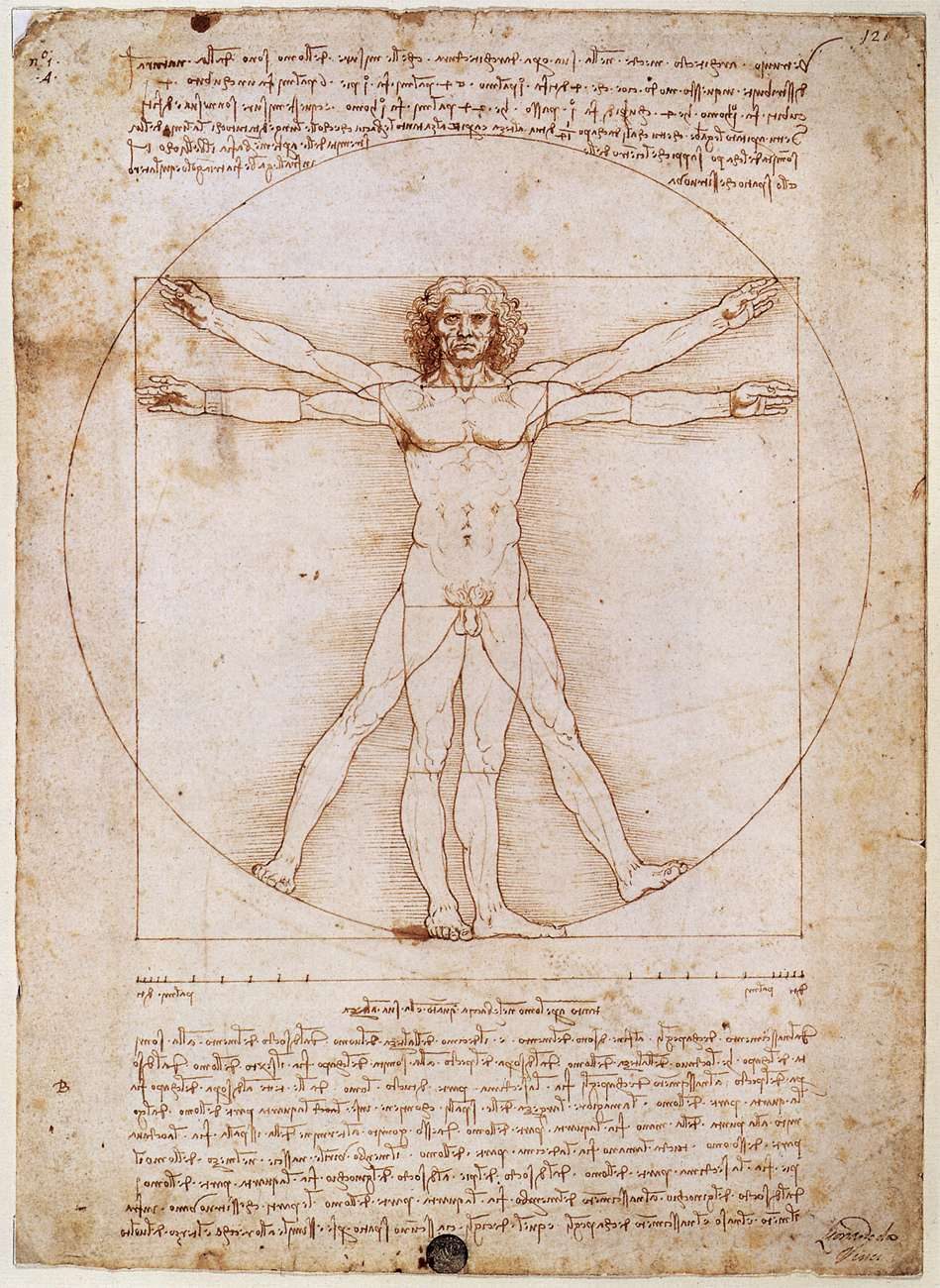
Leonardo da Vinci's Vitruvian Man
Leonardo da Vinci’s Vitruvian Man embodies the Renaissance belief that the human body reflects harmony, proportion, and intellectual order. It also suggests the period’s broader confidence in human capability across art, science, and inquiry.
5. The movement was elite, not mass

The achievements of the Italian Renaissance were concentrated among the wealthy upper classes. Patrons, rulers, clerics, and educated intellectuals shaped most of the movement’s artistic and literary accomplishments. For that reason, the Renaissance should not be imagined as a transformation that touched all Italians equally. Most people still lived far more traditional lives. Even so, the movement did affect broader urban society because the architecture, public art, and civic culture of Renaissance cities made elite values visible to ordinary residents.

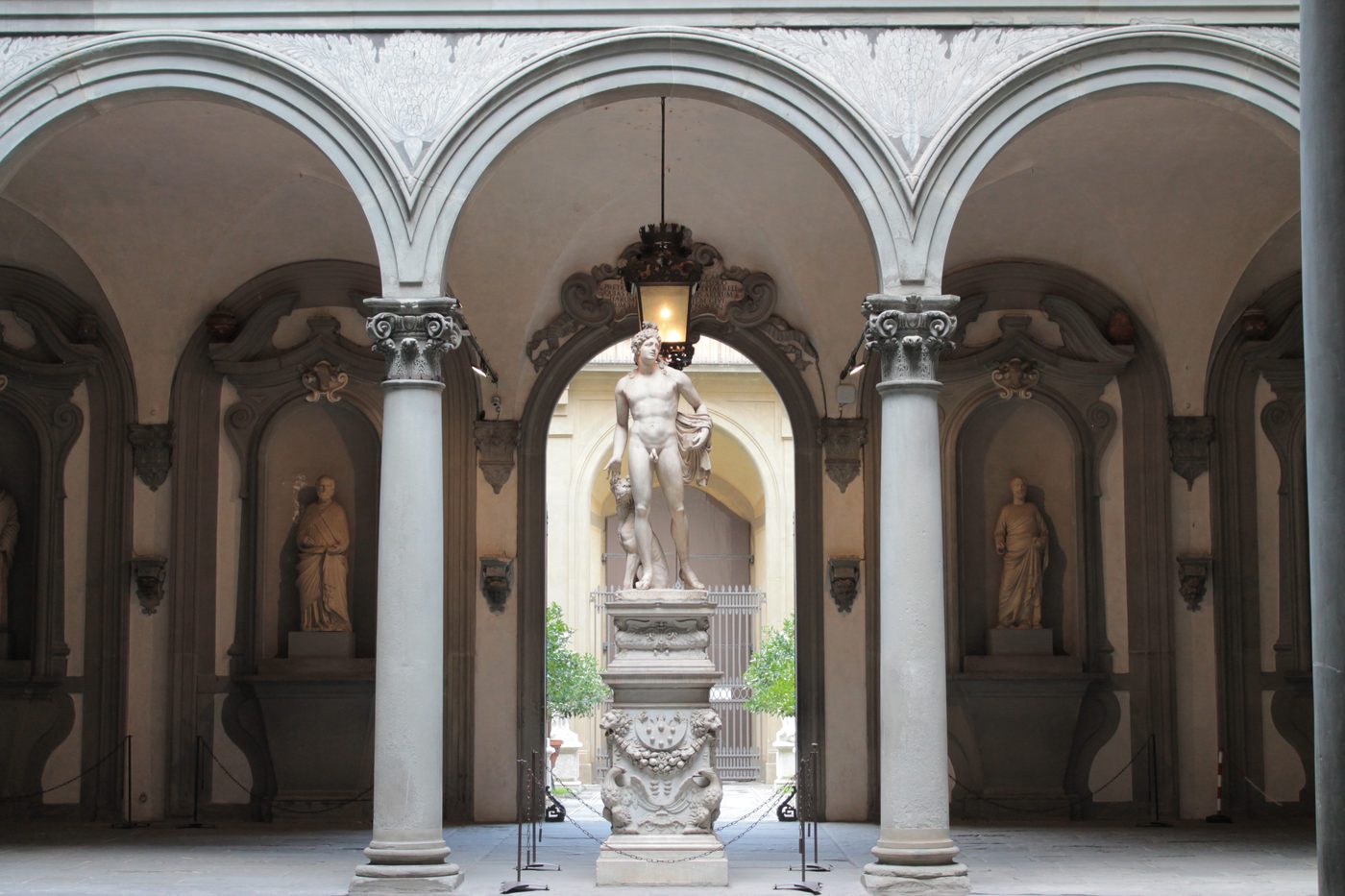
Courtyard of Palazzo Medici Riccardi
The Medici palace illustrates how wealthy banking families used architecture and patronage to display status. Elite households supplied the money and social influence that fueled much of the Renaissance cultural movement.
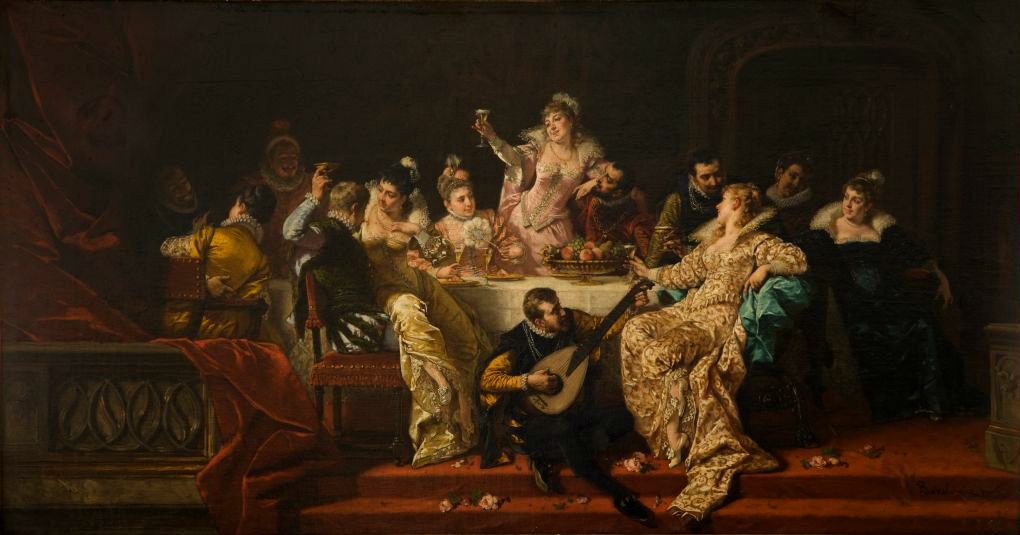
Renaissance banquet painting
Lavish banquets were displays of status and influence among Renaissance elites. Public luxury and social performance reinforced the prestige of the patrons who financed art, education, and courtly culture.

Historical connections

How this topic connects to the wider course

Culture

The revival of classical antiquity set up later developments in humanism, art, and education.

Politics

Independent city-states and elite competition created the setting for Renaissance patronage and civic pride.

Society

The Renaissance reflected the priorities of urban elites, so social class remained central to cultural change.

Continuity and change

Modern historians emphasize that the Renaissance introduced major cultural shifts without erasing medieval continuities.

Key concept cards

Click to review vocabulary

Knowledge check

Fast understanding check

Flashcards

Topic 1 review deck

Advanced Practice

Exam-ready multiple choice

Return to the essential question

What made the Renaissance distinct?

The Renaissance was distinct because it combined several developments at once: a renewed admiration for classical antiquity, the cultural energy of wealthy Italian city-states, the recovery from the crises of the fourteenth century, and a stronger belief in individual capacity. At the same time, historians now stress that these changes emerged alongside important medieval continuities. That balance between renewal and continuity is the most accurate way to understand the period.