Essential question
How did the rise of the Dutch, British, and French reshape global trade, imperial rivalry, and European power?
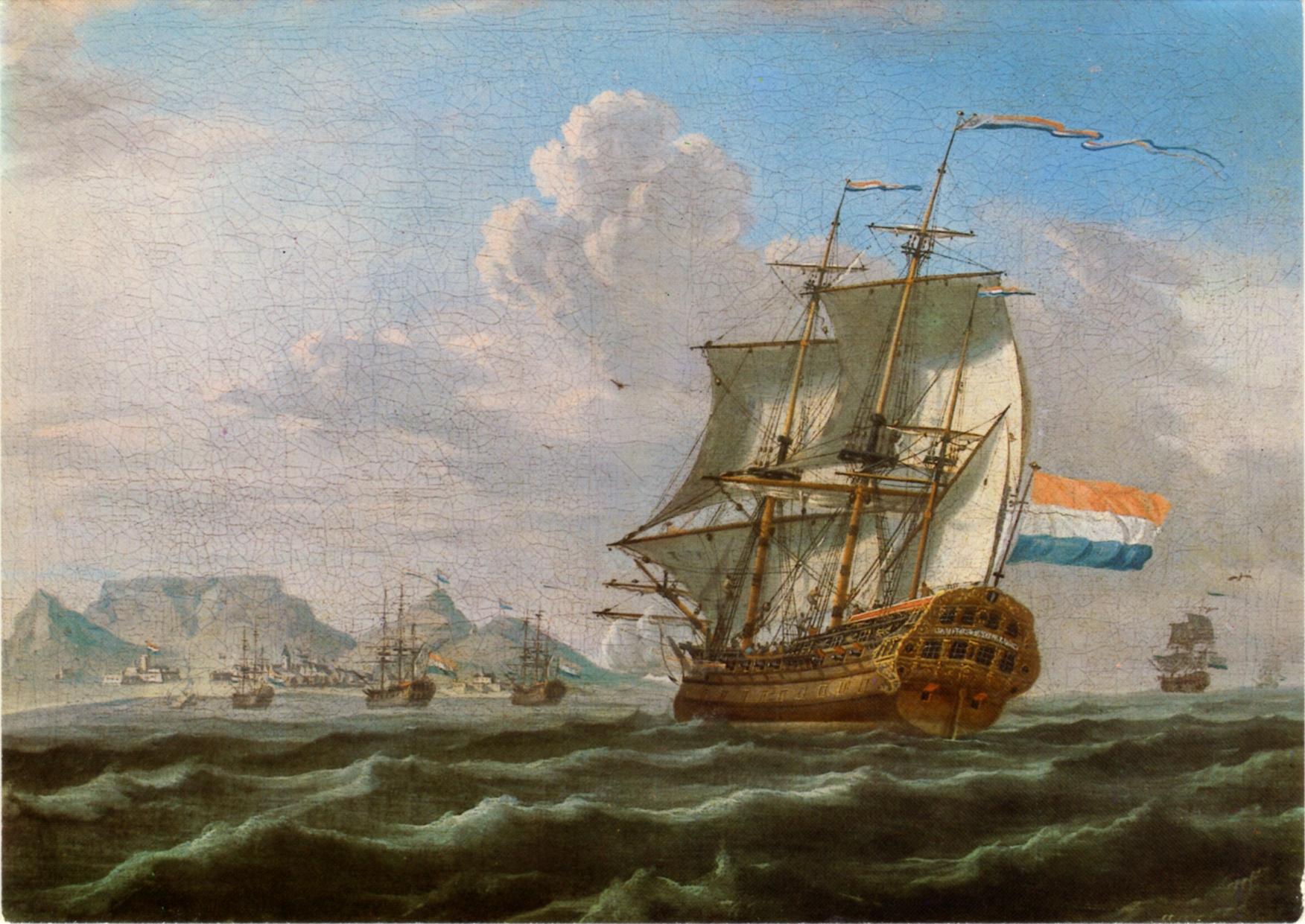
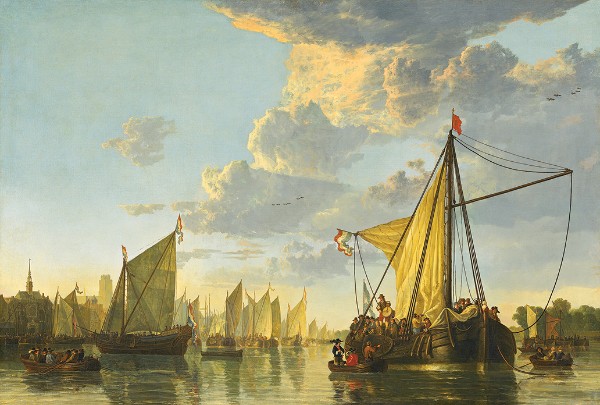
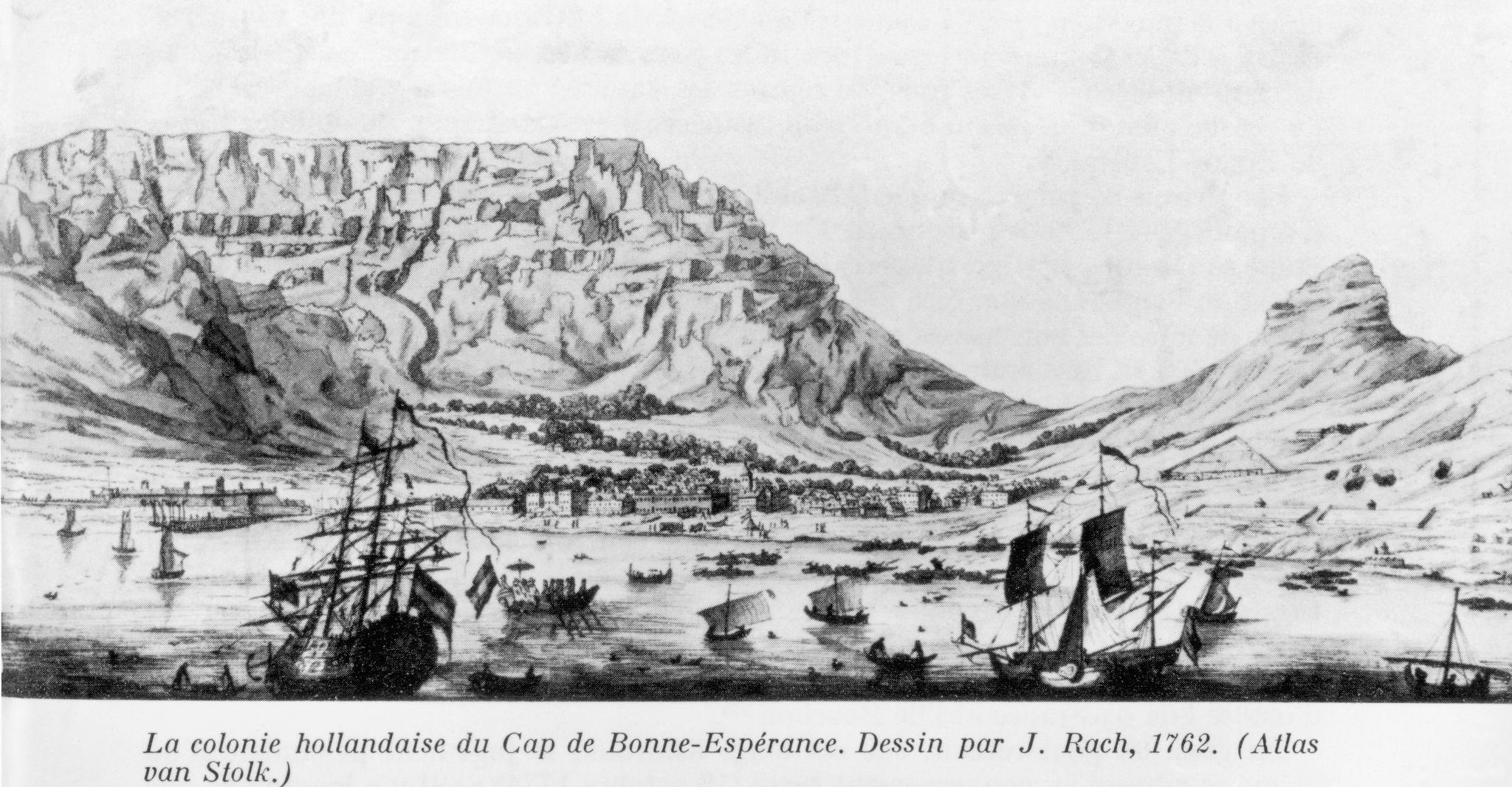
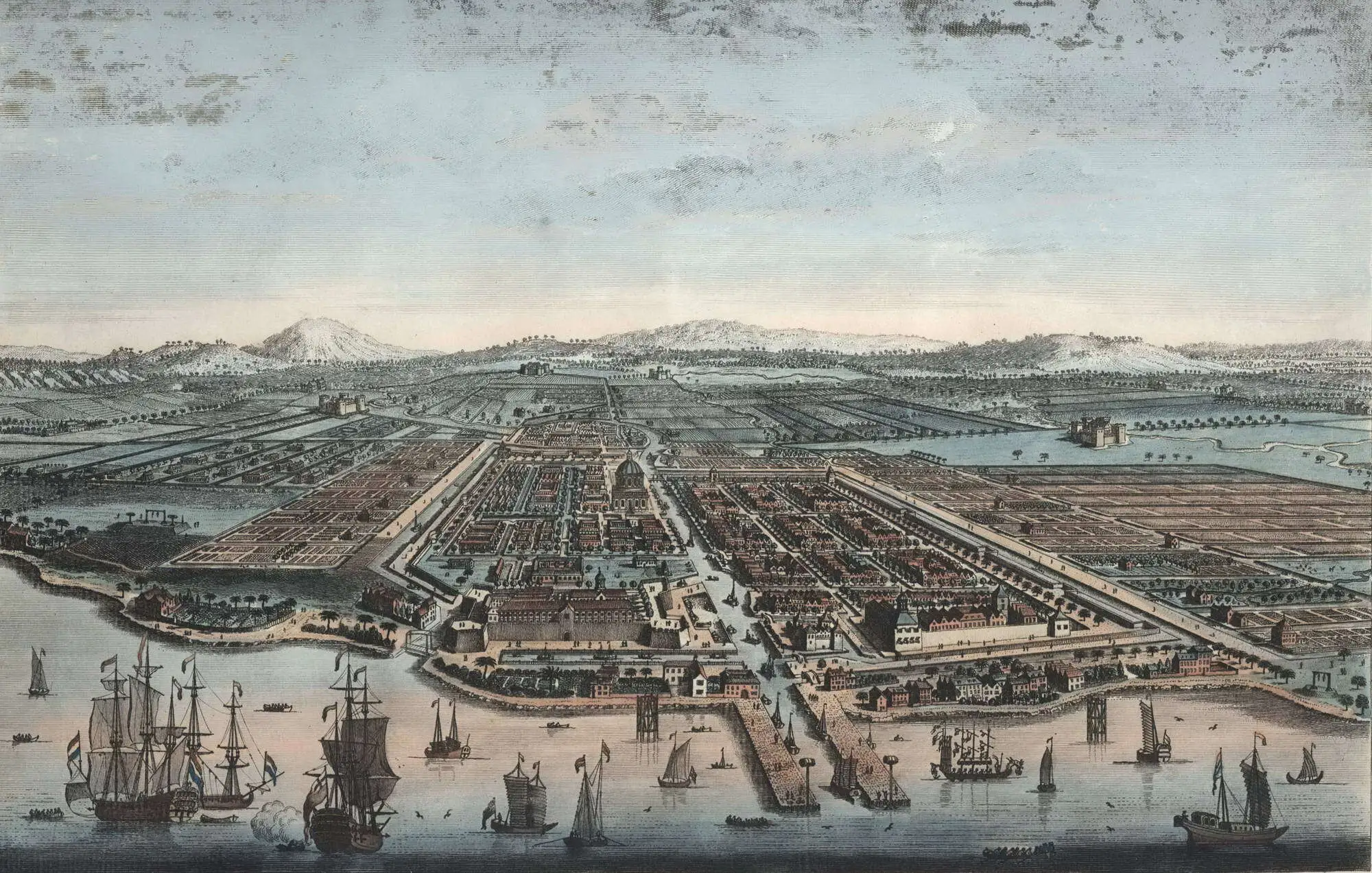
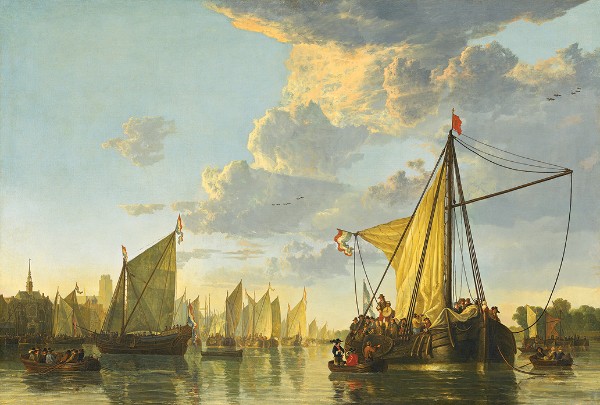
By the seventeenth century, Spain and Portugal no longer controlled overseas expansion by themselves. The Dutch, English, and French entered the race for trade routes, colonial possessions, and strategic ports. Their rise changed the nature of European expansion. What had begun as exploration and commercial opportunity became a broader contest for imperial power.
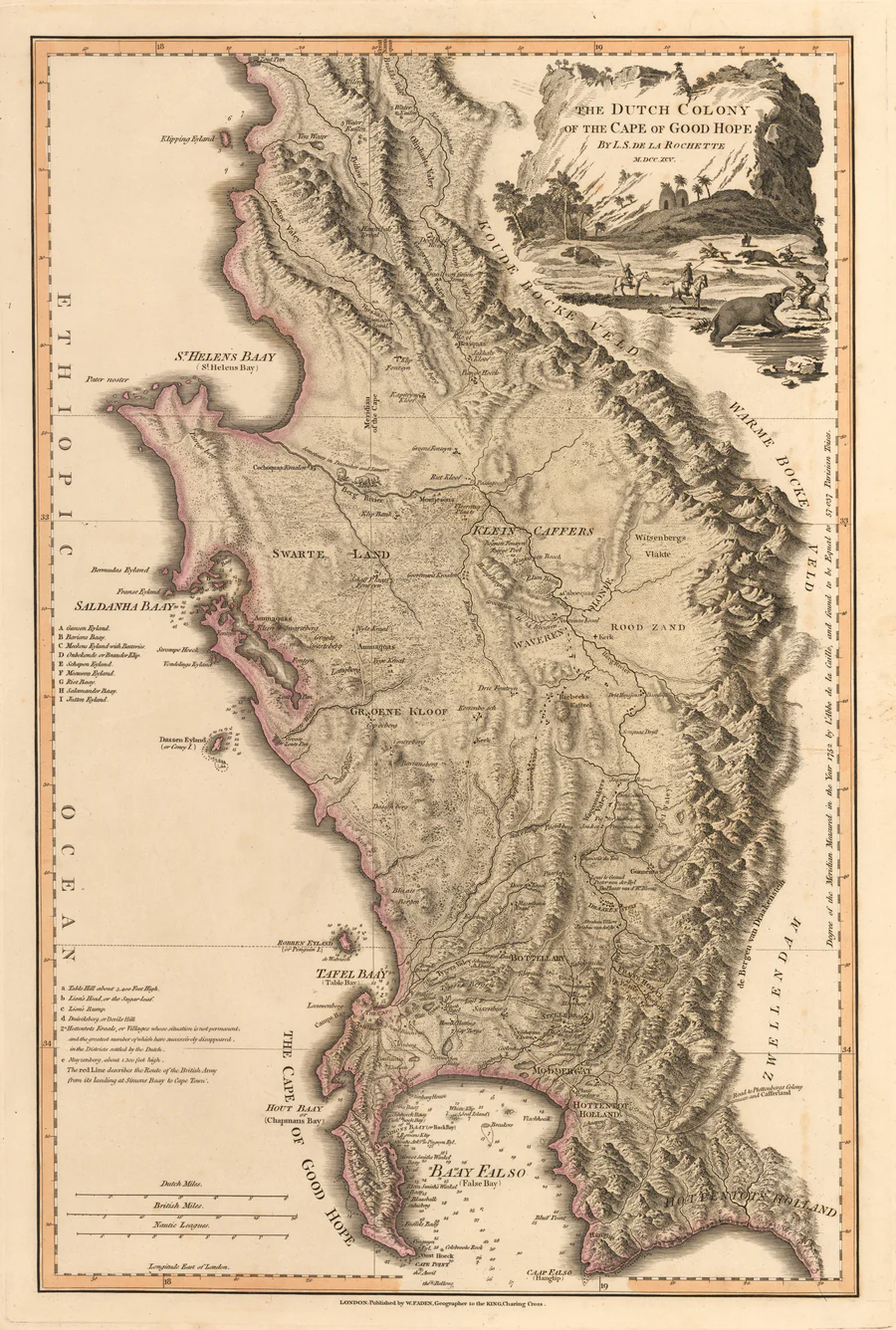
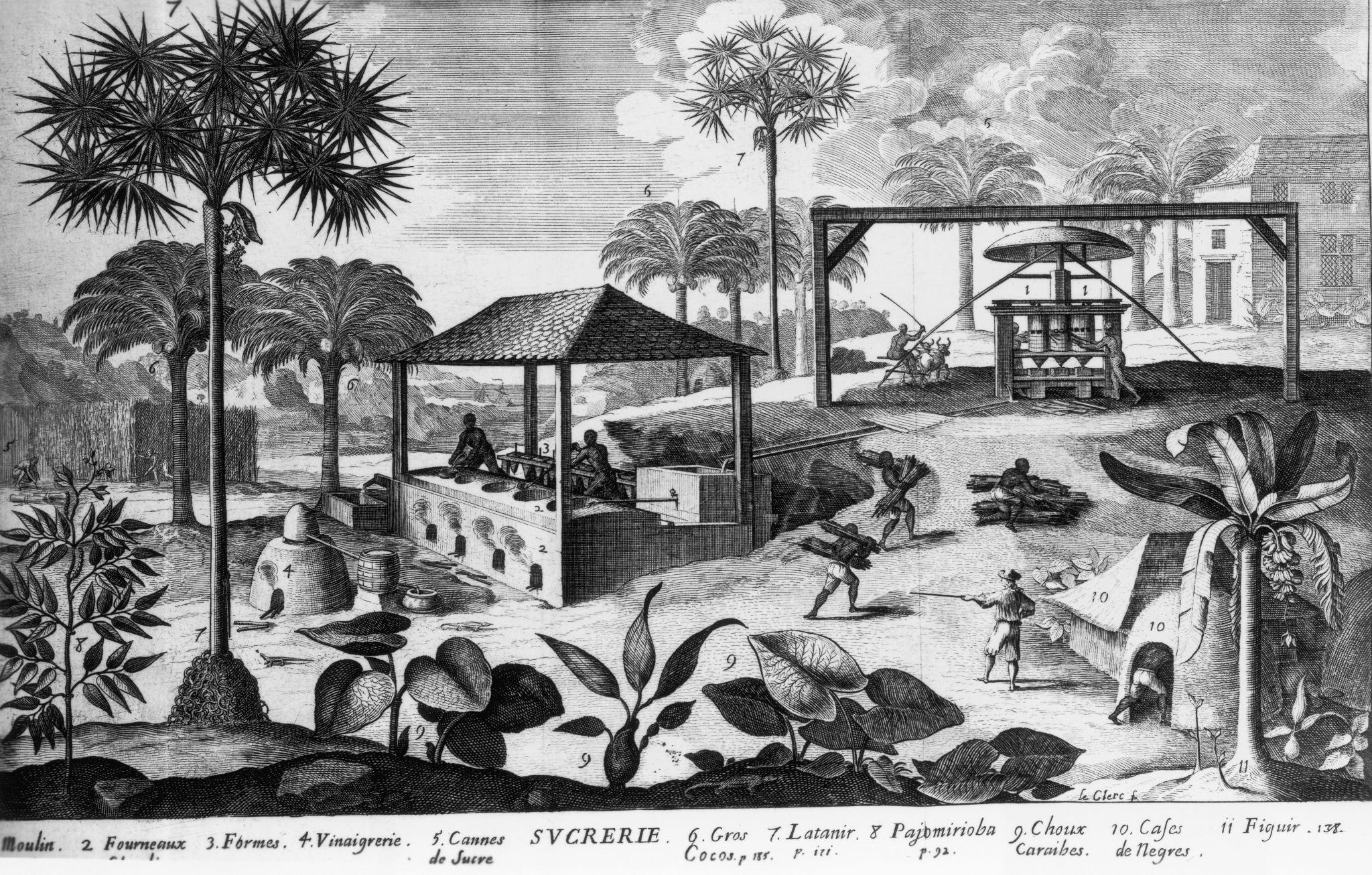
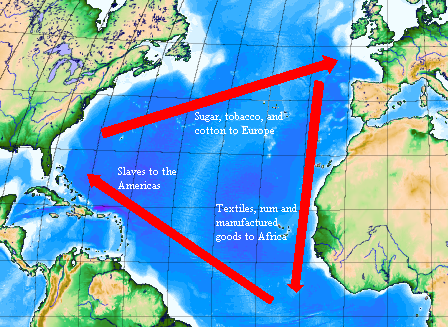
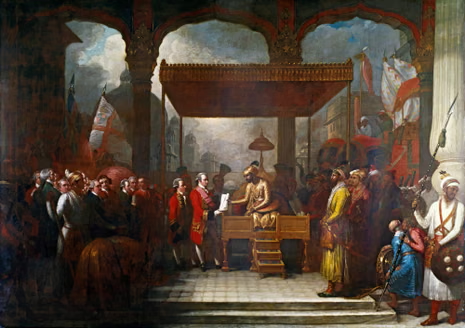
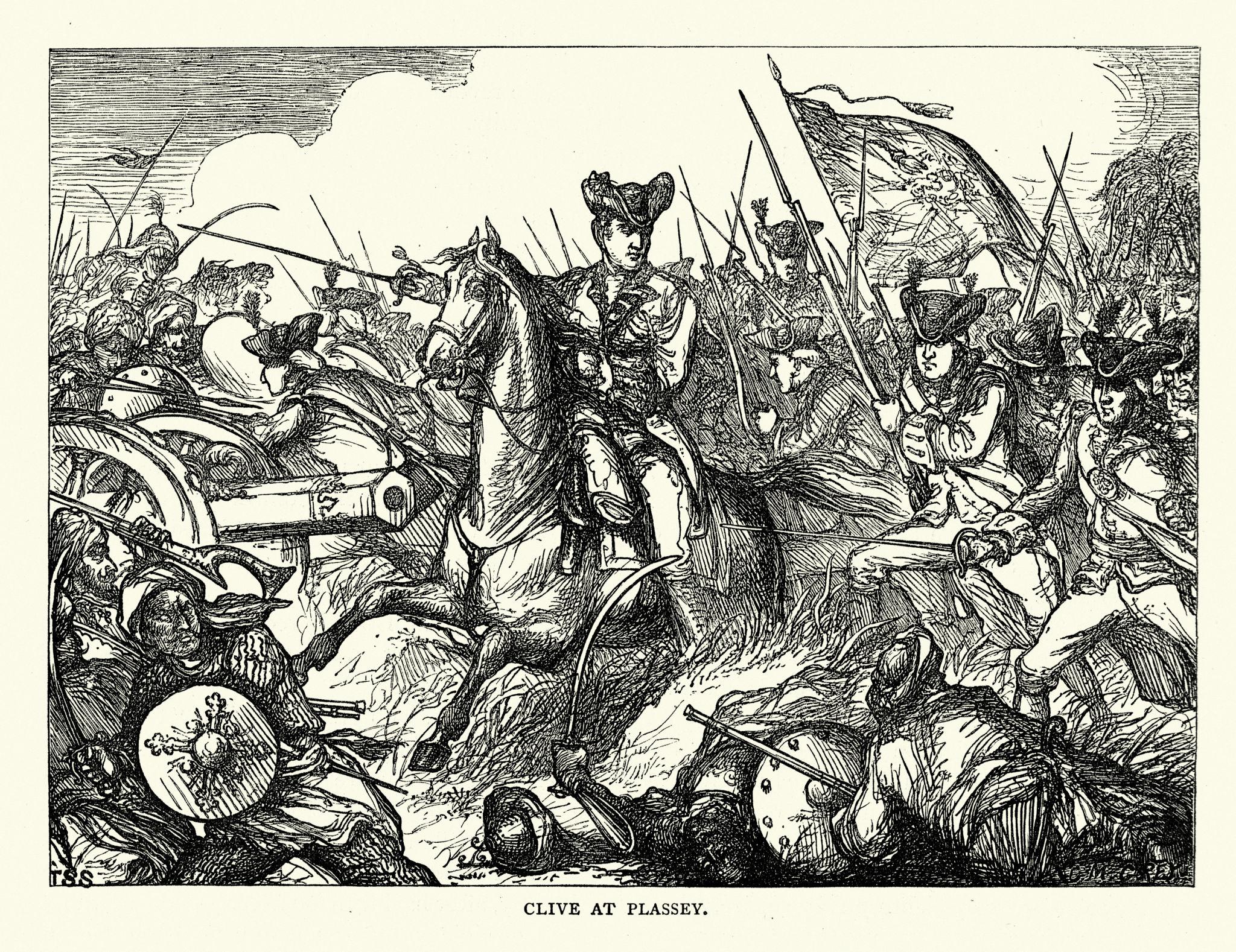
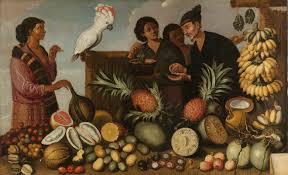
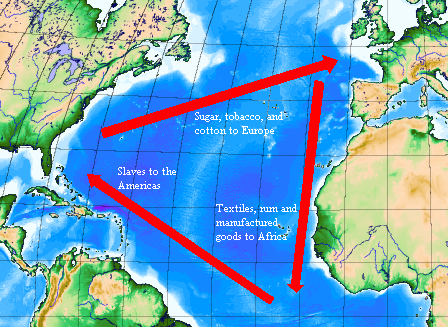
These newer powers built chartered companies, strengthened their navies, and established commercial footholds in Africa and Asia that often developed into long-term colonies or spheres of political control. In places such as Southeast Asia and India, European merchants became military actors as well as economic competitors. In the Atlantic world, rivalry also fueled plantation growth and intensified the demand for enslaved labor.
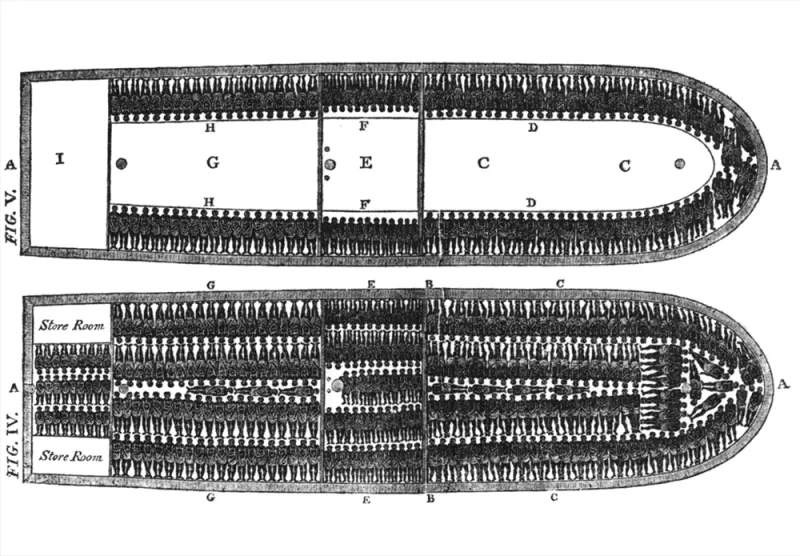
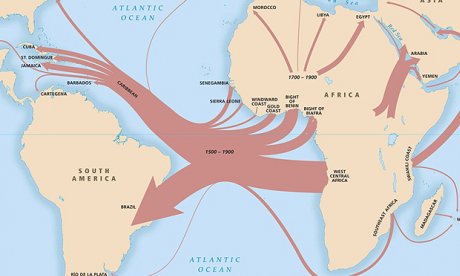
As a result, global commerce became more interconnected and more violent. Atlantic states gained influence, old trading systems were disrupted, and millions of Africans were forced into the slave trade. This topic shows how European rivalry helped reshape the balance of world power during the early modern period.