Essential question
How did European expansion reshape peoples, environments, economies, and ideas across the early modern world?
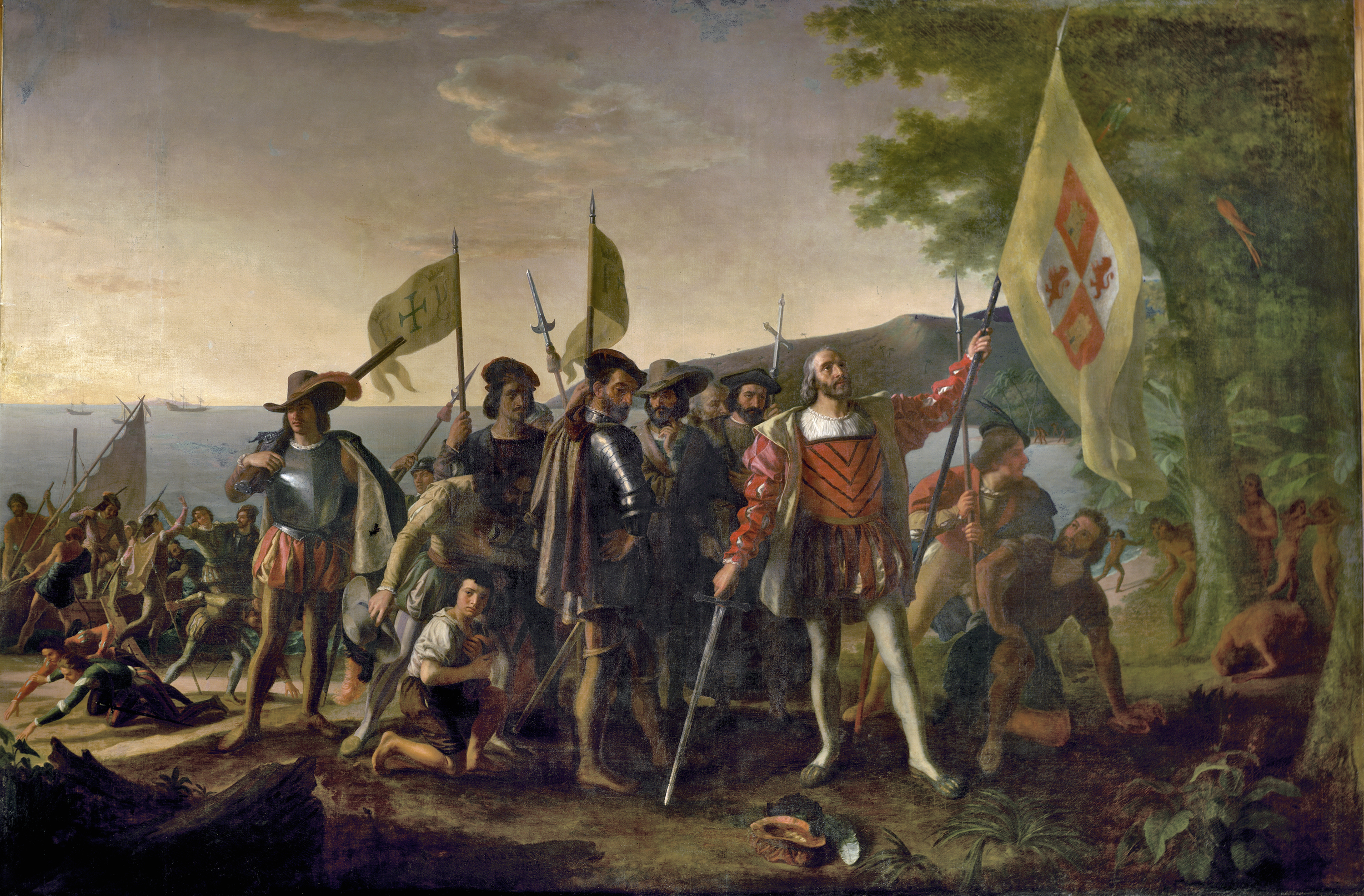
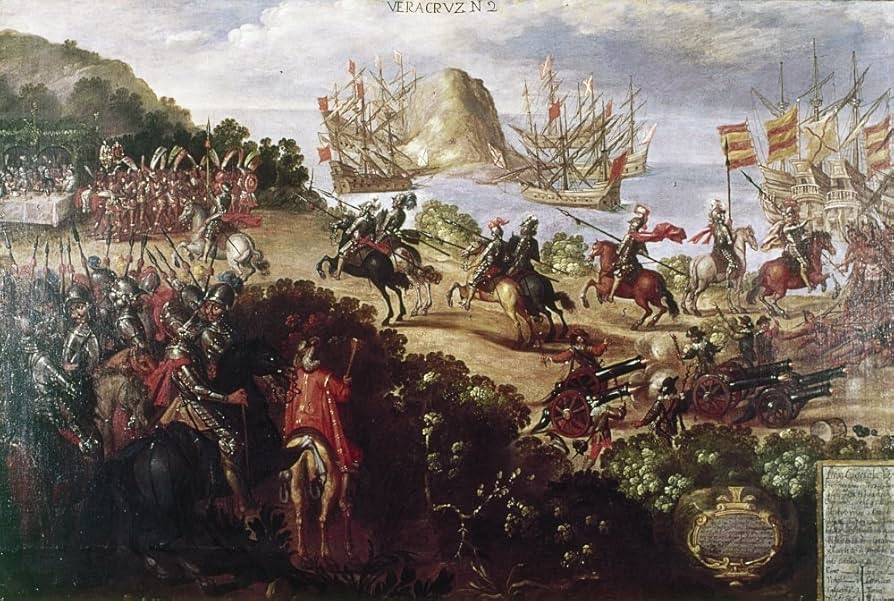
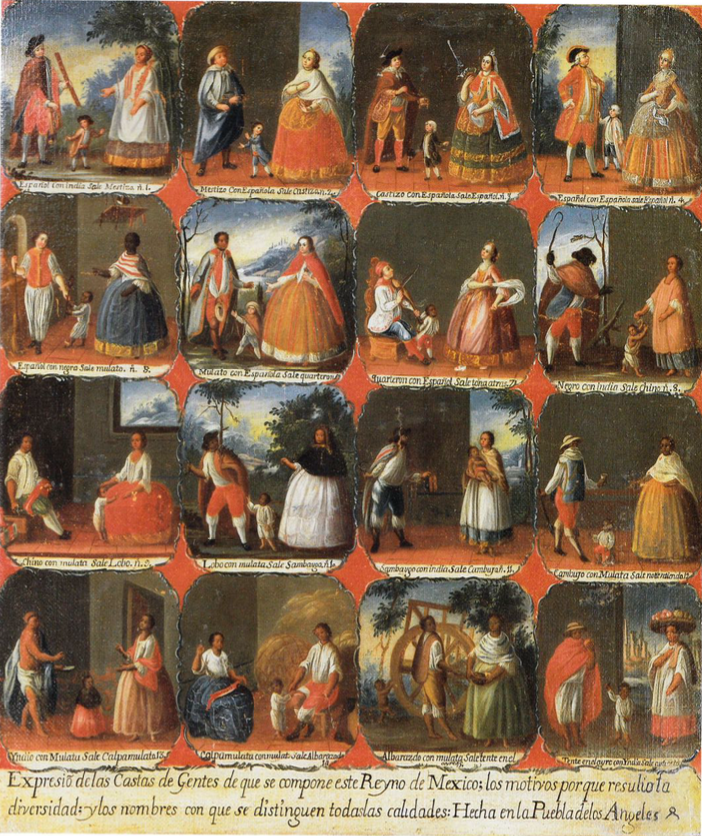
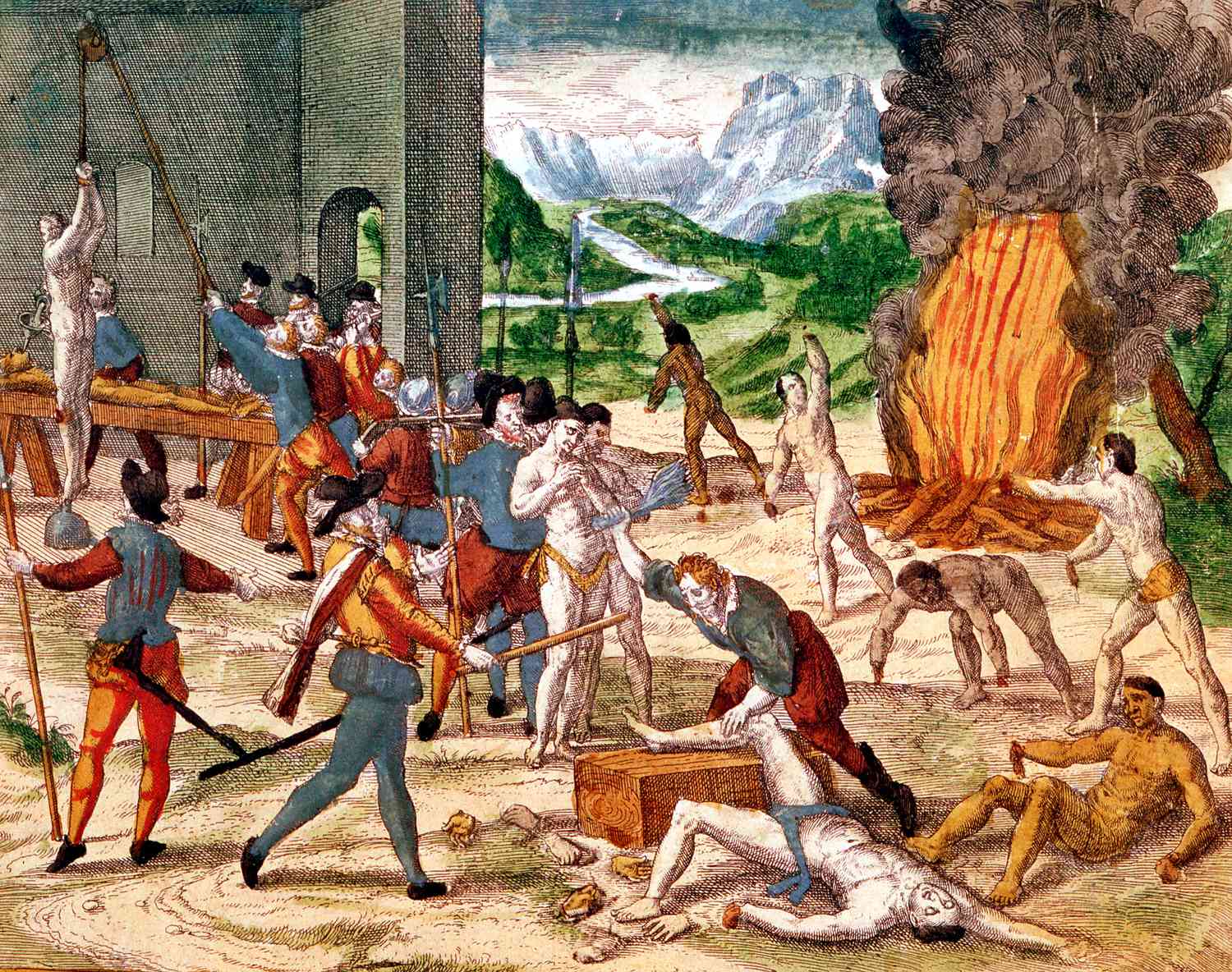
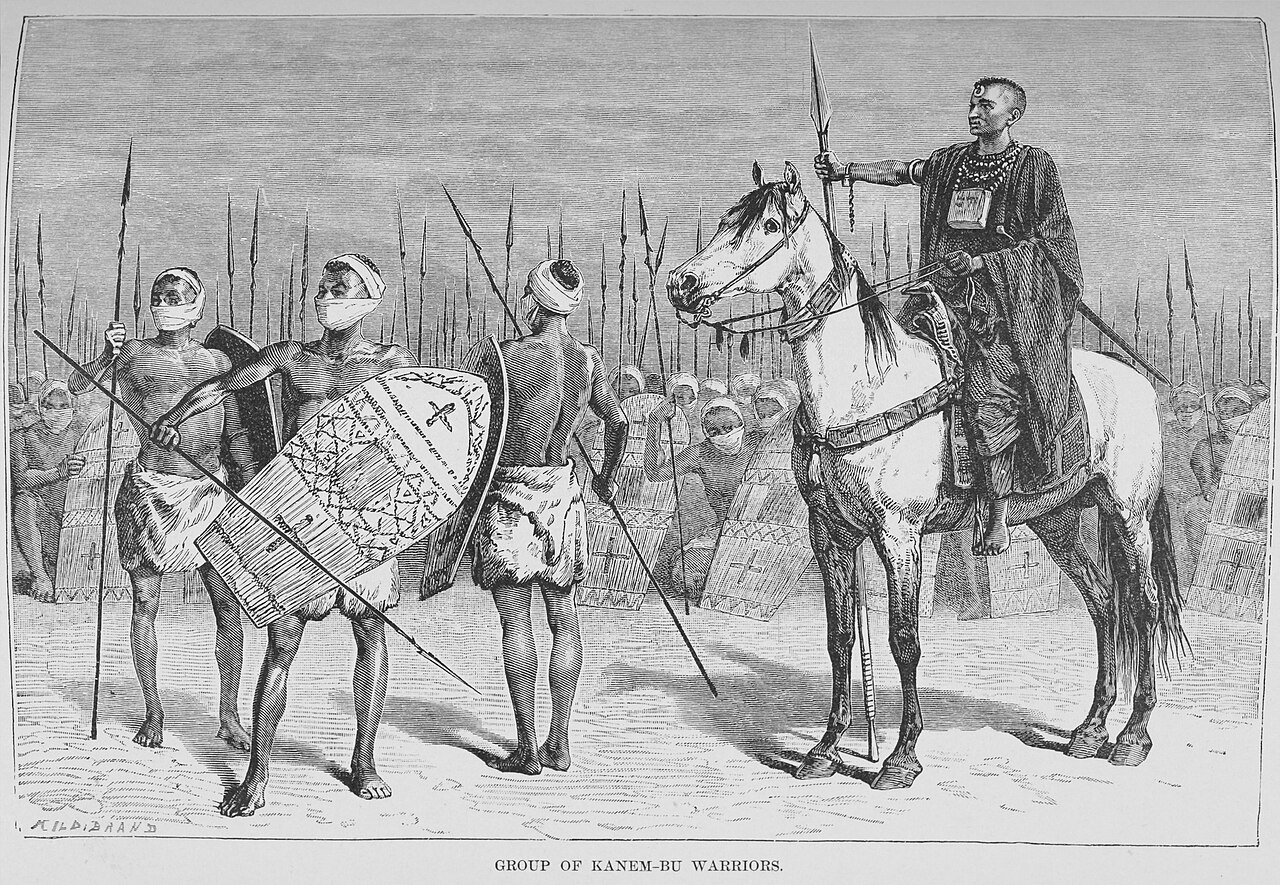
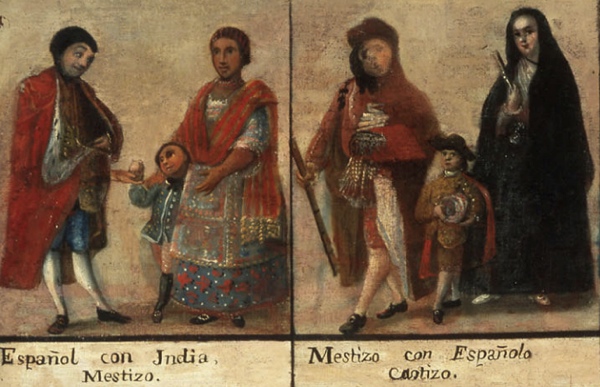
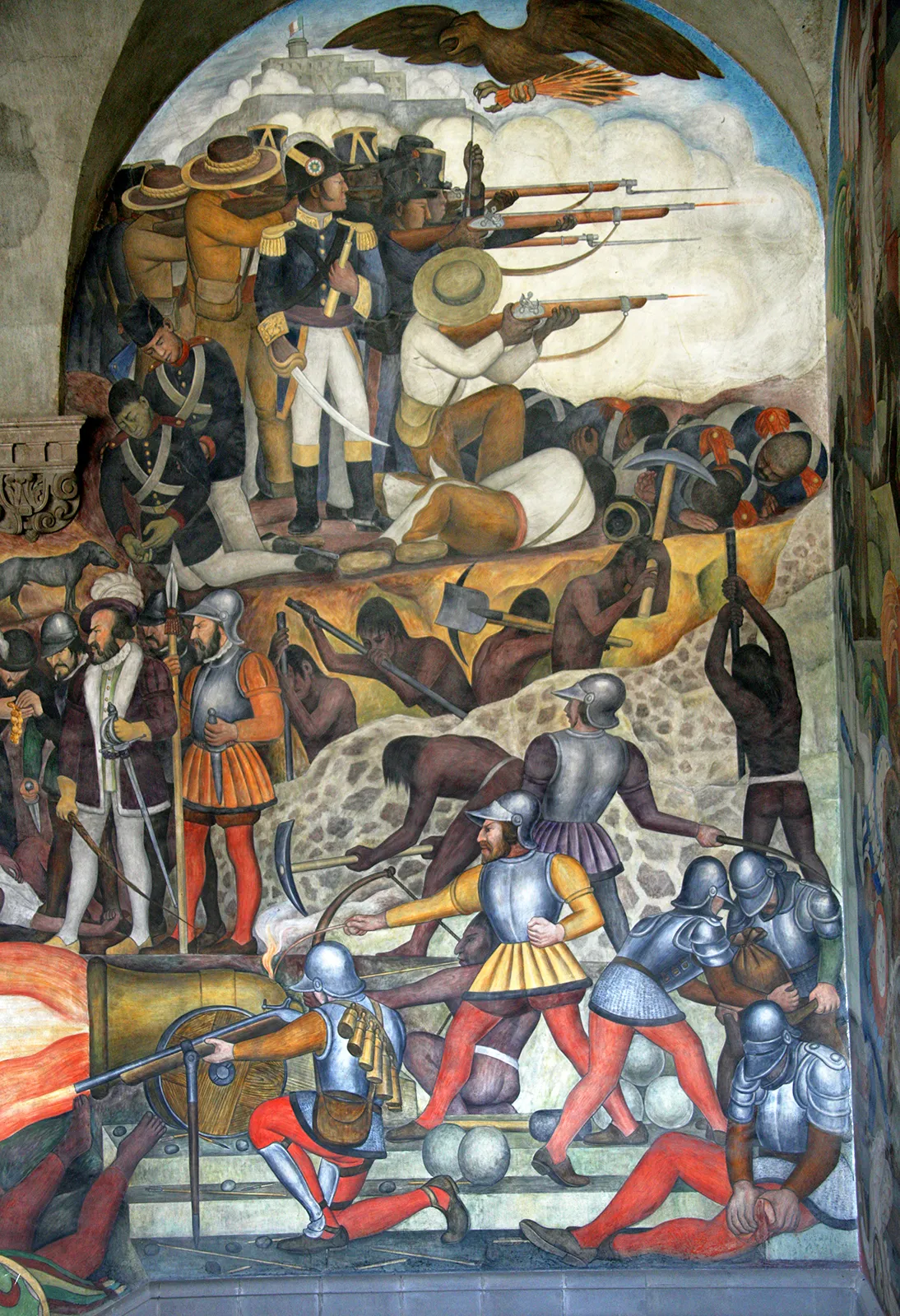
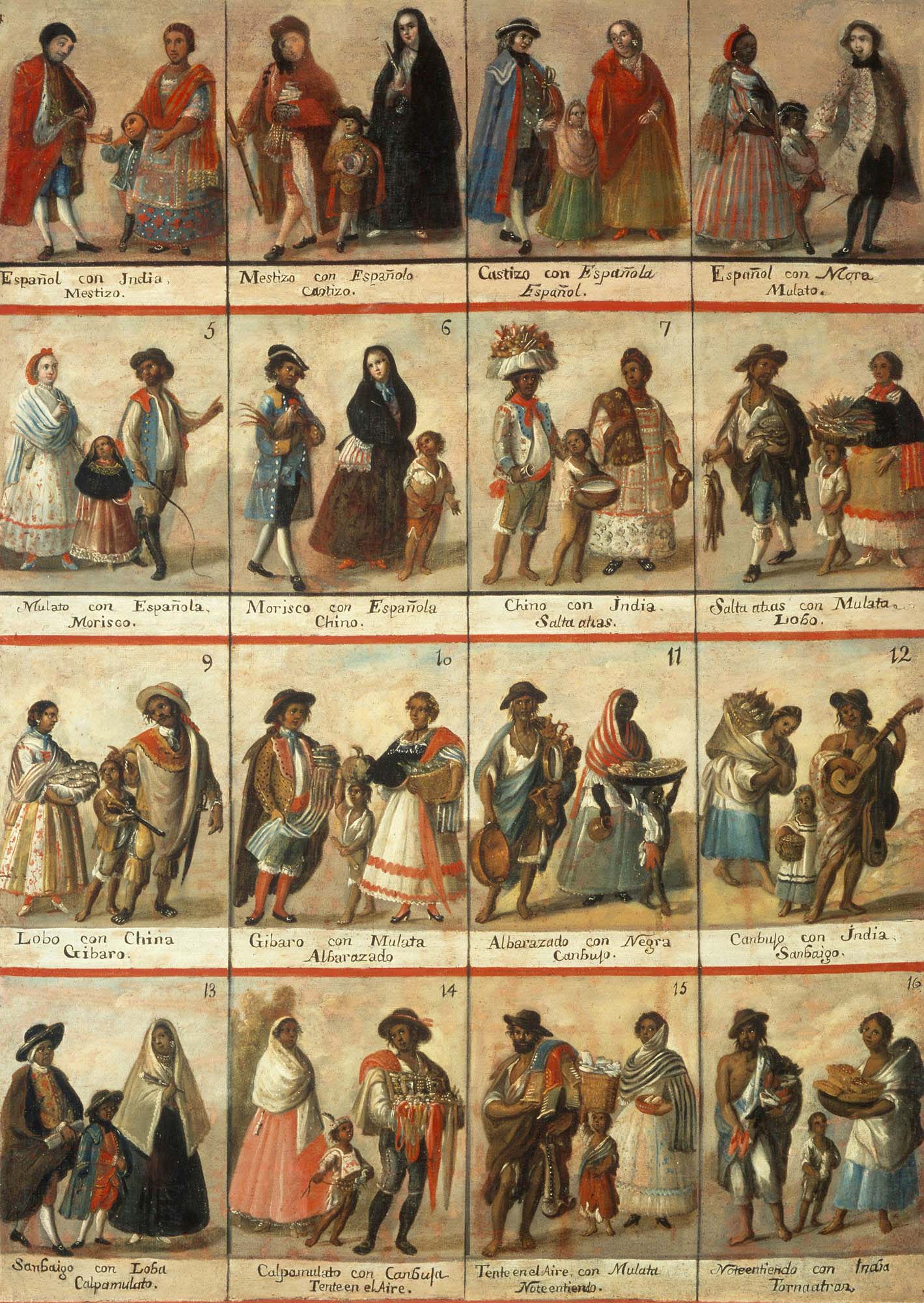
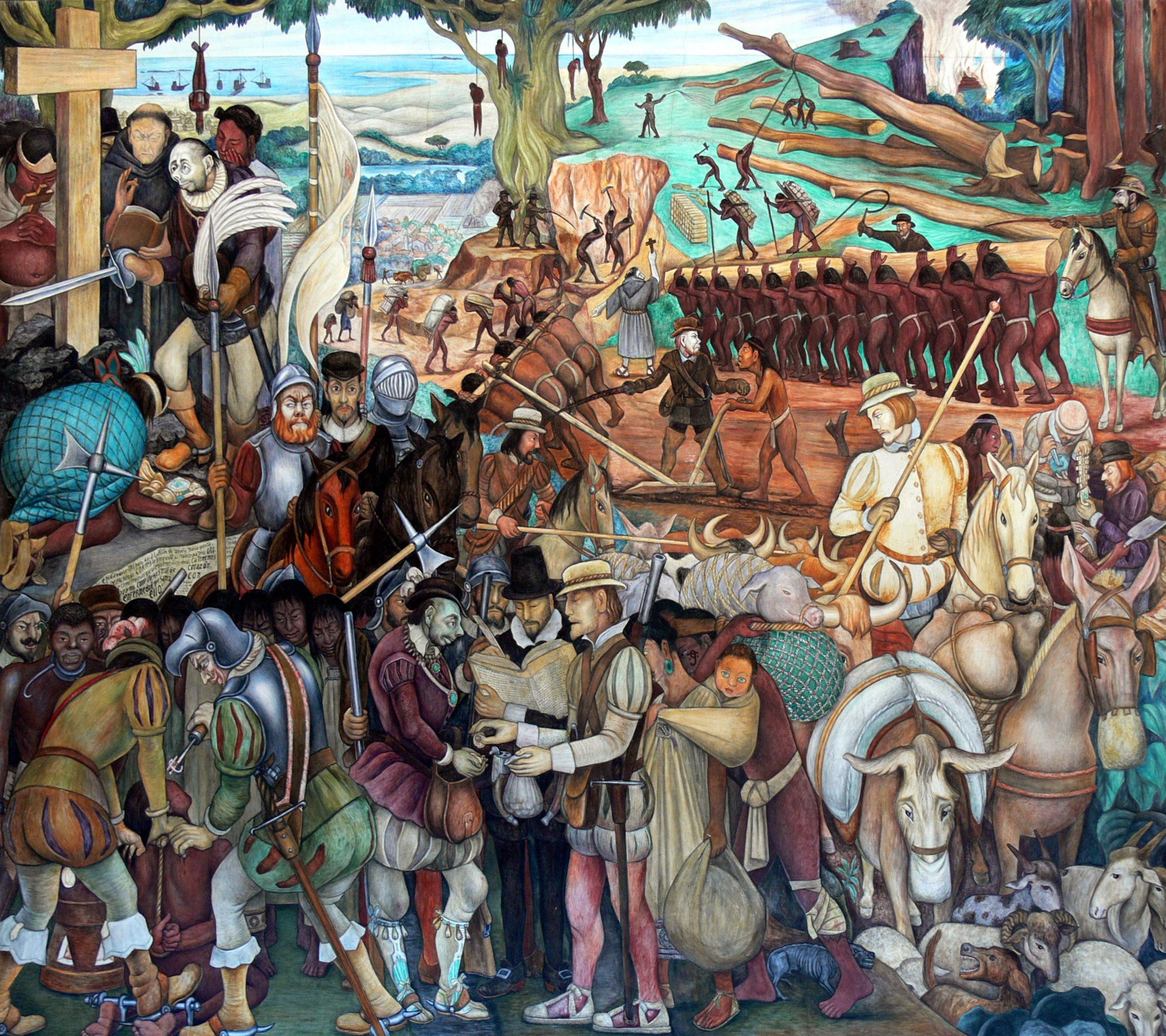
By 1800, European expansion had changed far more than commerce alone. In the Americas, indigenous societies suffered catastrophic population loss, political destruction, and cultural replacement as European institutions, languages, and religions took root. In parts of Africa, the slave trade fueled violence and instability, while in Latin America, a new multiracial colonial society emerged.
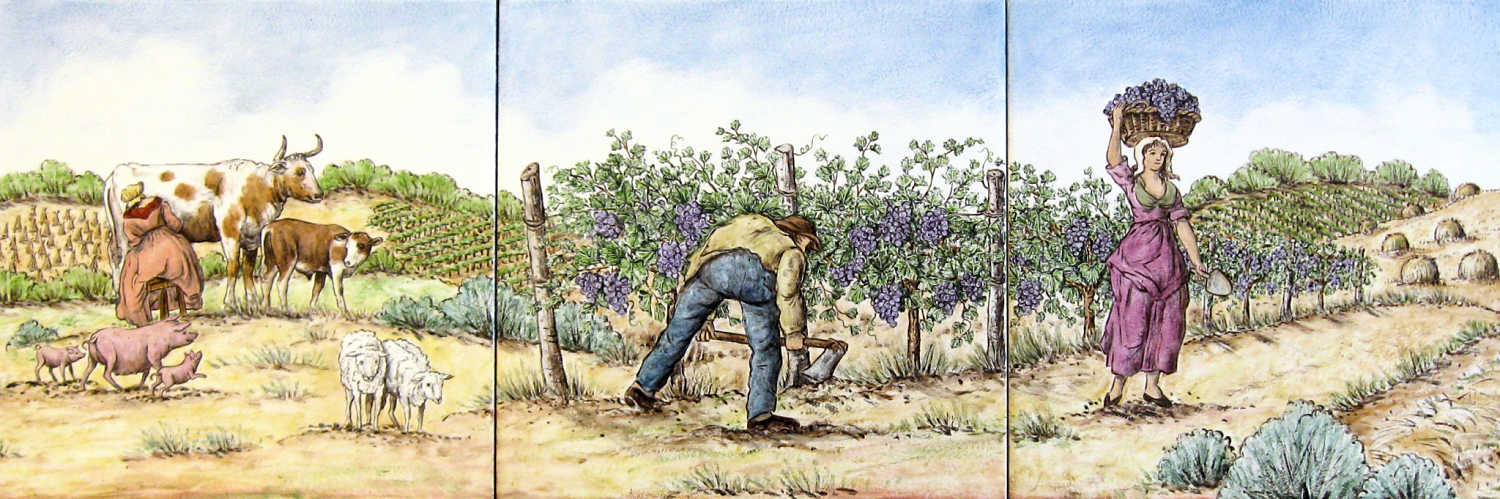
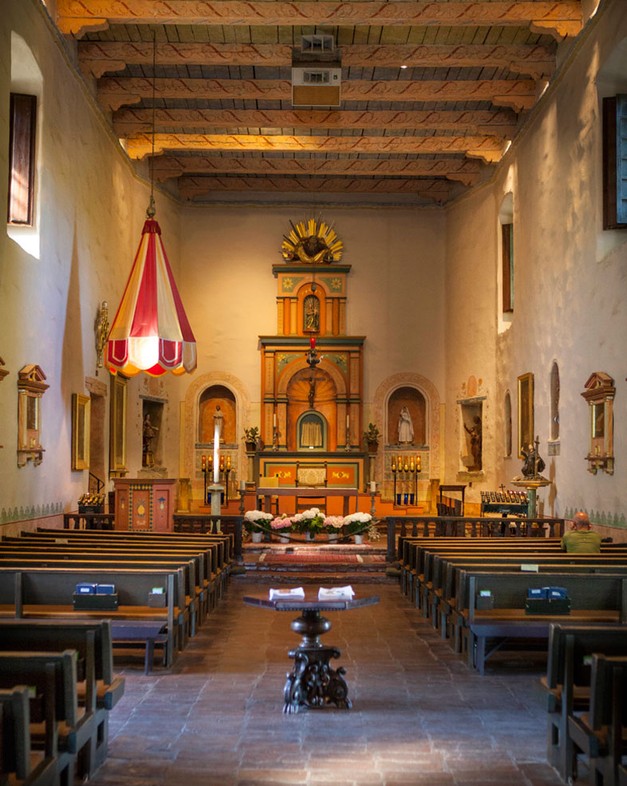
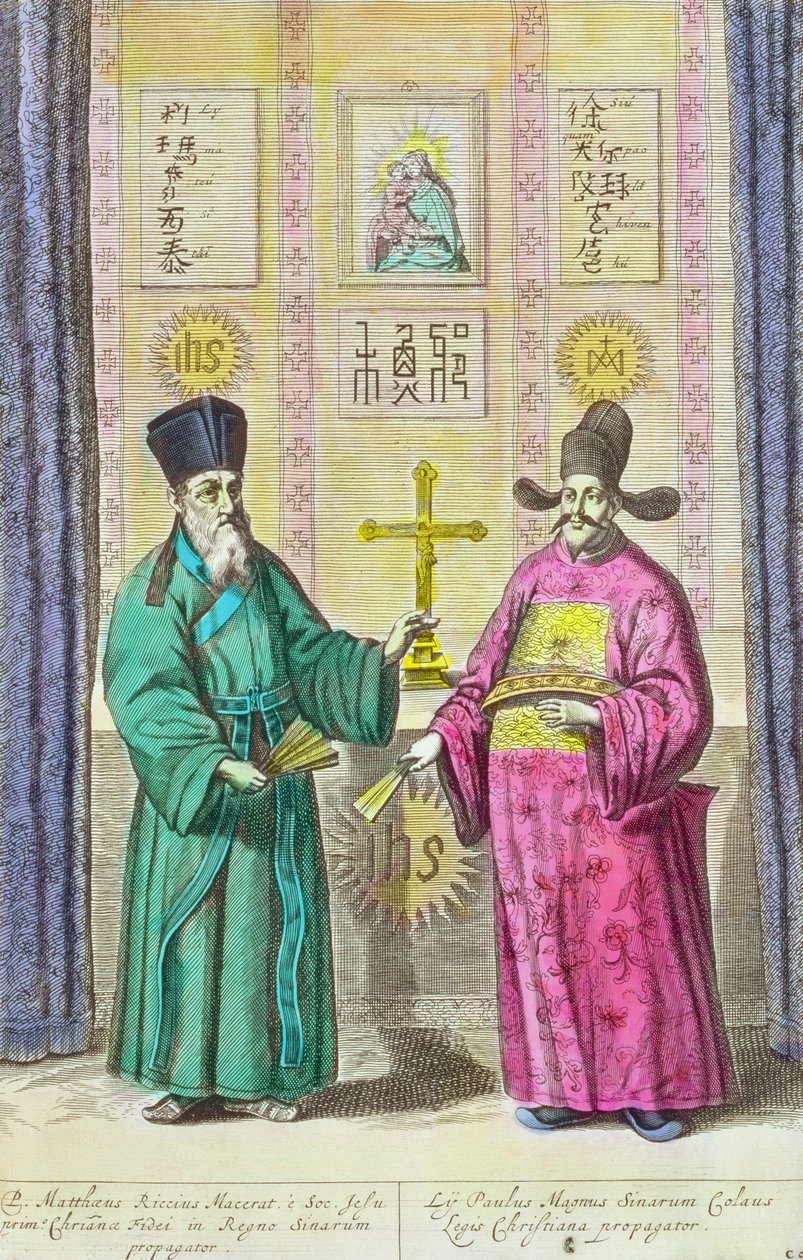
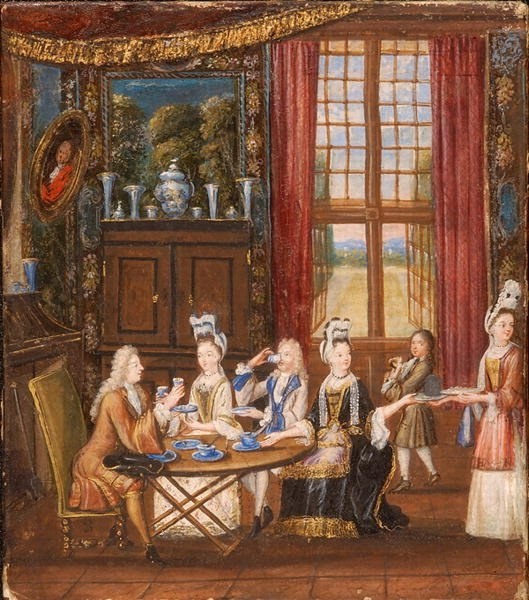
Expansion also moved plants, animals, and ideas across oceans. European livestock and crops transformed the environments of the Americas, while products such as potatoes, chocolate, and tobacco changed life in Europe. Missionaries built schools, hospitals, and mission communities, but they also helped tighten imperial control over conquered peoples.
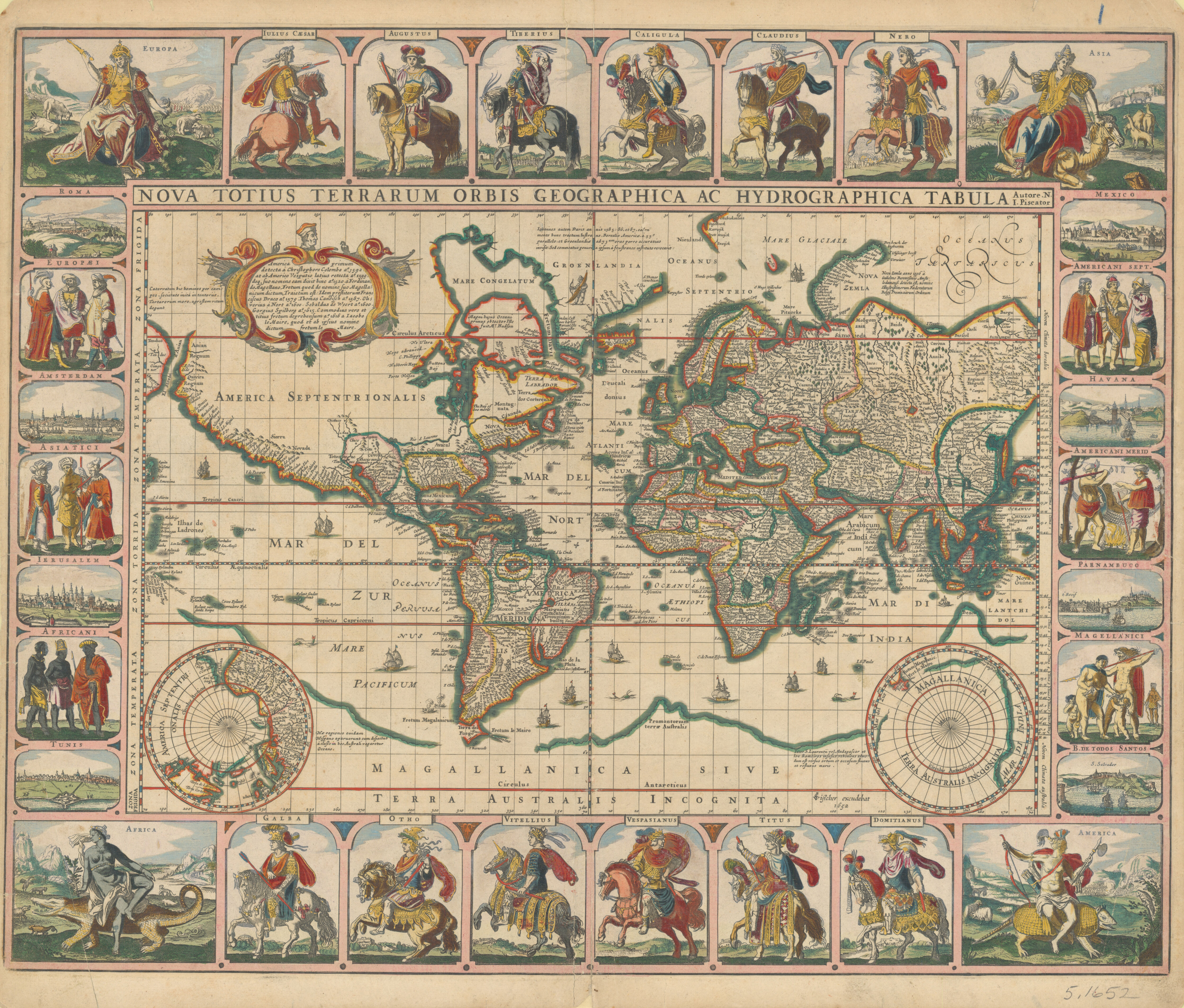
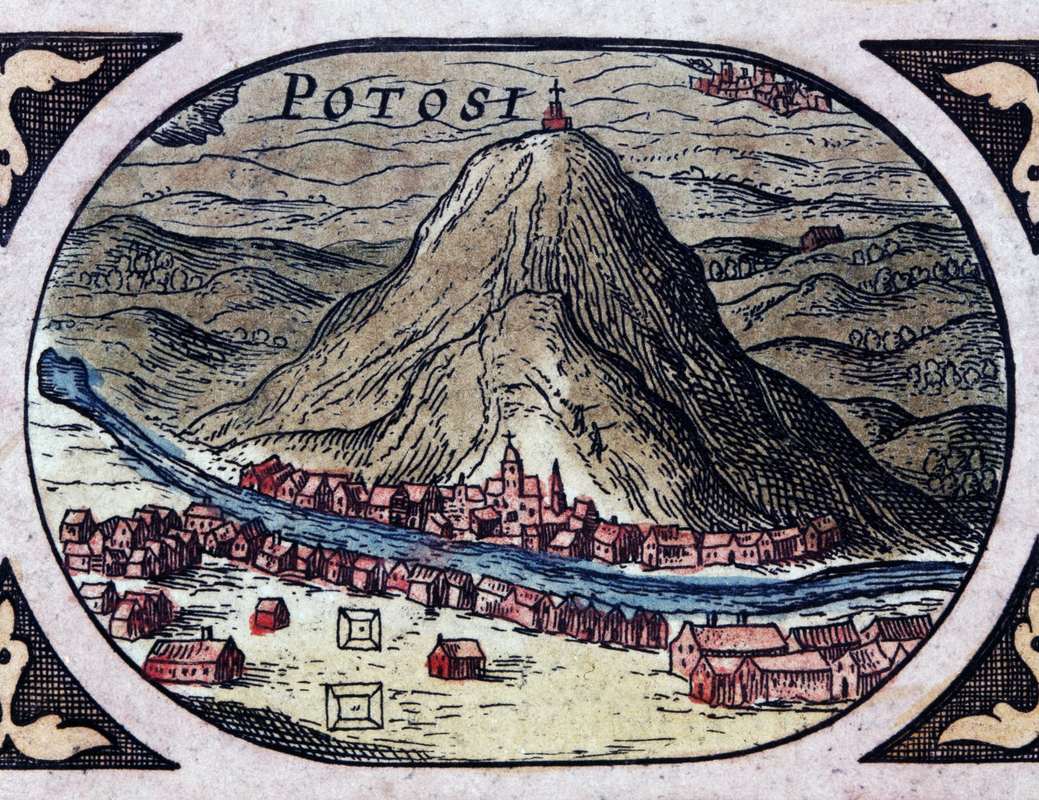
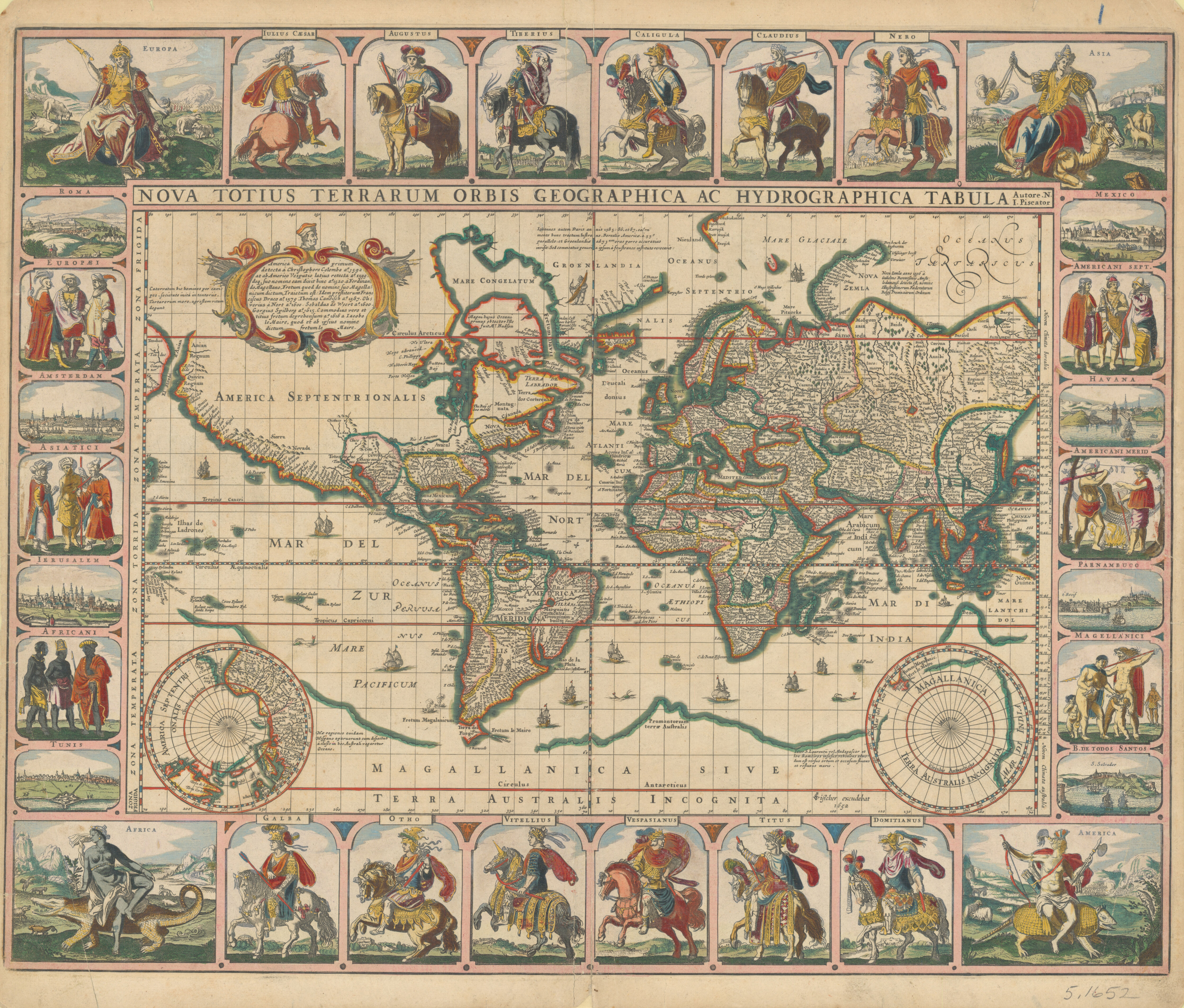
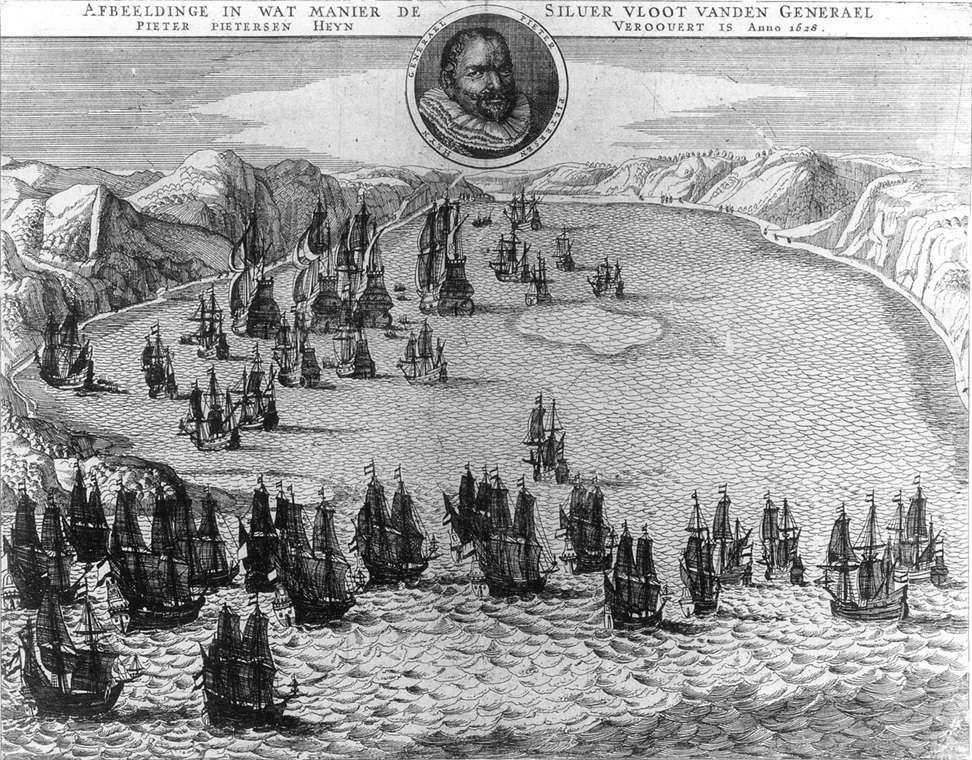
The conquerors were changed as well. Precious metals from the Americas enriched Europe, global goods reshaped consumer life, rivalries deepened into worldwide warfare, and more accurate maps altered how Europeans understood the world. Taken together, these developments strengthened European confidence in the superiority of their own civilization and religion.