Unit 1 • Topic 12

Markets, Money, and Mercantilism

European expansion did not just create empires. It also transformed economic life through rising prices, expanding trade networks, new financial institutions, and state-directed policies designed to increase national wealth. By the eighteenth century, these changes were helping connect Europe to a wider global economy.

Estimated study time: 14–18 minutes
Mode: Learn and review
Unit progress: Final topic of Unit 1
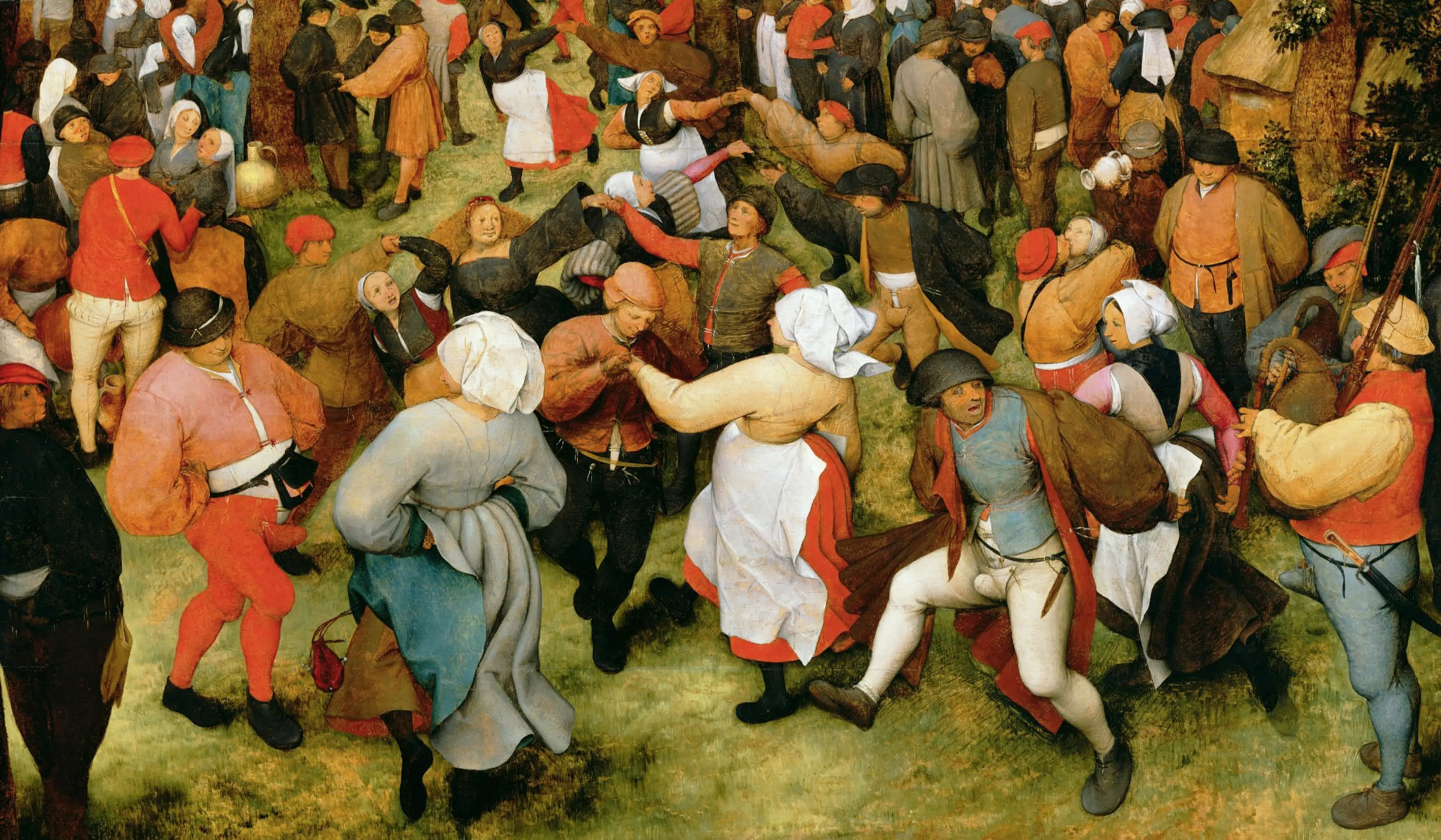
Image representing trade, finance, or early modern economic change
Expanding trade and new economic ideas helped turn Europe into the center of a more connected commercial world.

Essential question

How did economic changes and state policies help create a more connected global economy?

In the sixteenth and seventeenth centuries, Europe experienced major economic change. Prices rose steadily in what historians call the price revolution, and the effects were not distributed equally. Wage earners and peasants often struggled as food became more expensive, while landowners, merchants, and entrepreneurs were better positioned to benefit from expanding markets and cheaper labor.

Trade also became more dynamic and more complex. The Atlantic seaboard grew in importance, new commercial organizations such as joint-stock companies made overseas ventures easier to finance, and cities such as Amsterdam emerged as major centers of banking and exchange. These developments helped support a growing form of commercial capitalism that linked more parts of Europe together.

Governments became increasingly involved in economic life as well. Mercantilist policies encouraged exports, restricted foreign competition, promoted manufacturing, and treated colonies as valuable sources of raw materials and markets for finished goods. Together, inflation, finance, commercial expansion, and state policy pushed Europe toward a more global economic system.
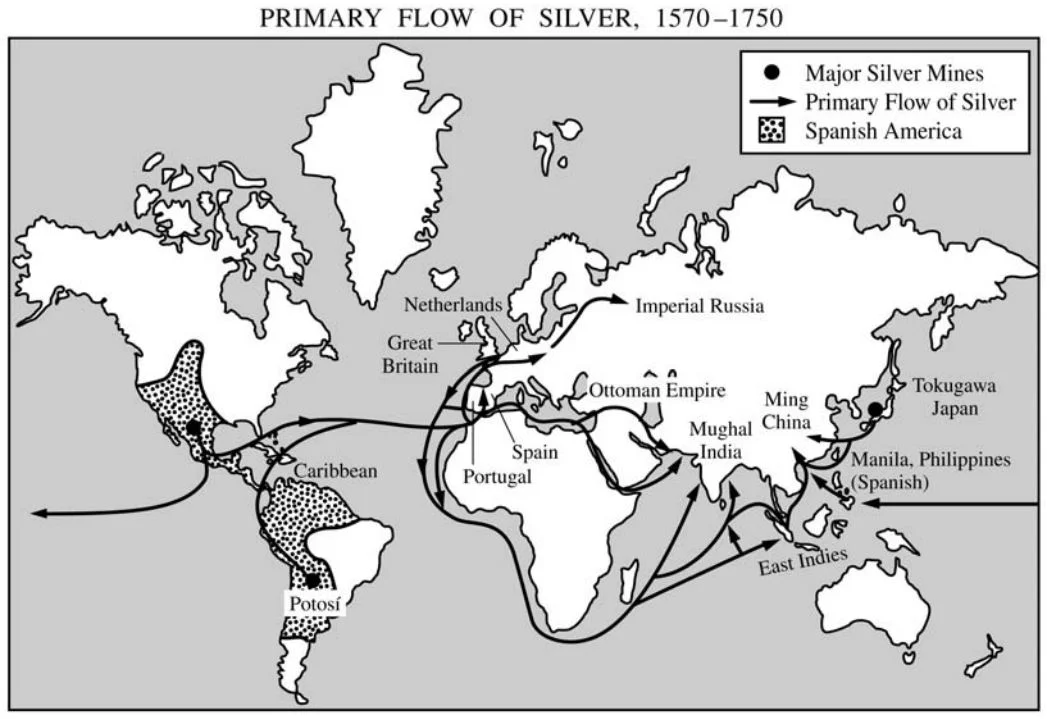
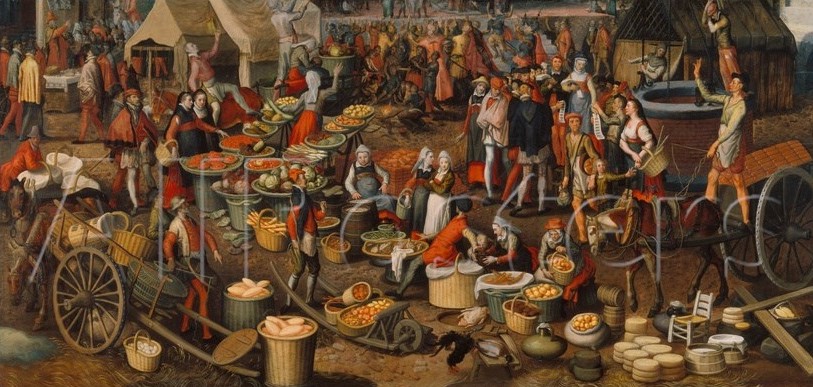
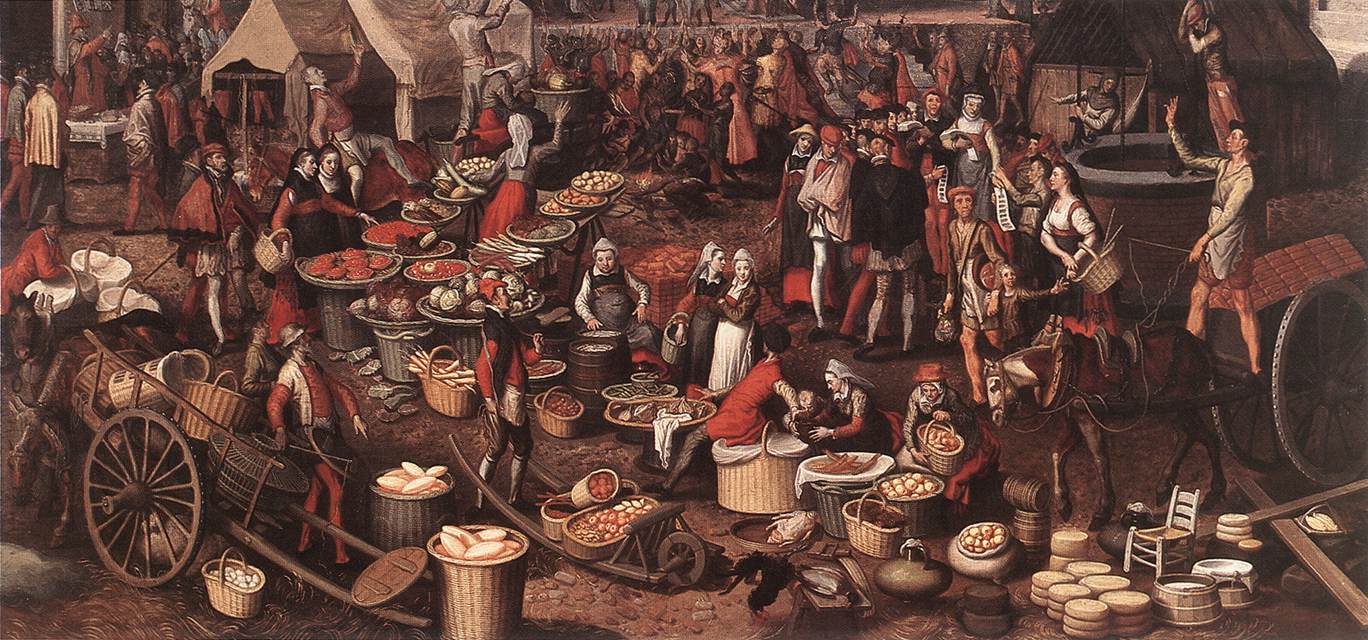
Image representing trade routes, merchants, or the growth of a world economy
Rising trade, stronger states, and new financial tools helped connect Europe to a wider commercial world.

Visual overview

From regional trade to global commerce

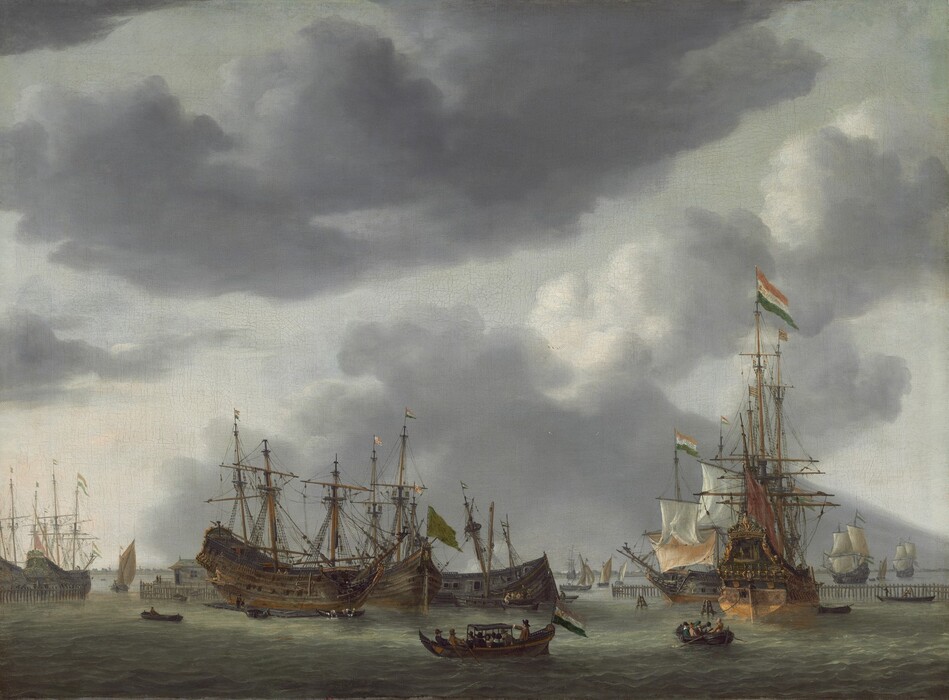
Image representing merchants, trade, or commercial exchange in early modern Europe
European markets became more integrated as trade expanded across old regional zones and newer Atlantic routes.
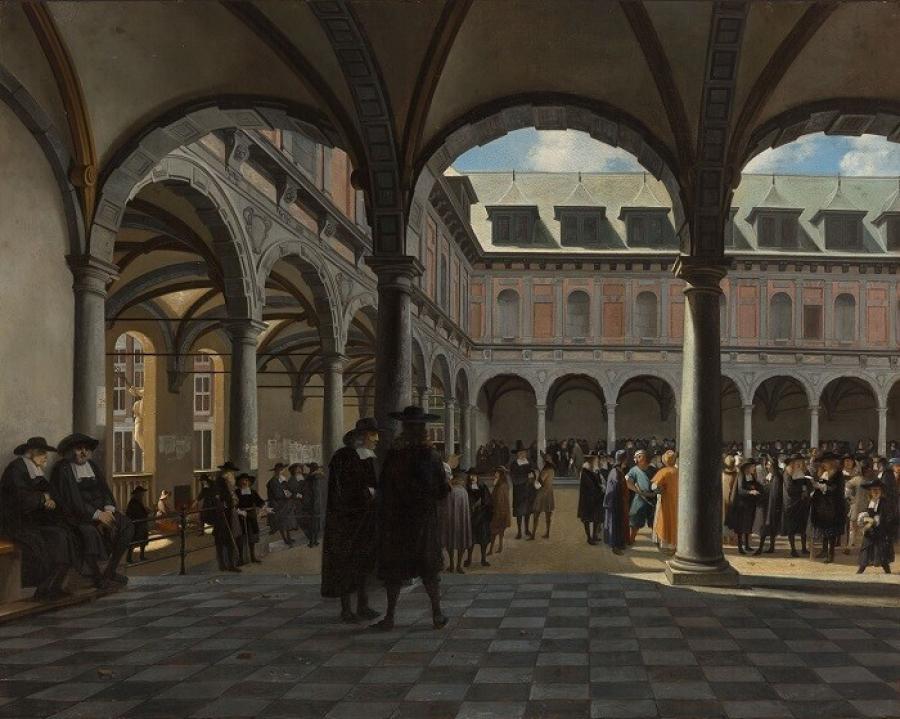
Image representing banking, stock exchange, or financial change in Amsterdam
Banking, investment, and organized exchanges gave merchants new ways to fund risk and profit from long-distance trade.

Interactive concept explorer

Open each section to trace the new economy

1. Why did Europe experience major economic change in this period?

Europe’s economic life changed significantly in the sixteenth and seventeenth centuries because overseas discovery and imperial expansion created new opportunities for trade and investment. Earlier medieval patterns of commerce had already laid some groundwork, but contact with the wider world brought a far greater burst of commercial activity and helped move Europe toward a broader market economy.

These changes did not replace older economic structures overnight. Most Europeans still lived in agricultural societies, and local or regional trade remained important. Even so, new trade routes, new financial institutions, and stronger state involvement in economic affairs gradually made Europe more commercially integrated and more closely tied to events beyond the continent.

Image representing the broad economic transformation of Europe during the sixteenth and seventeenth centuries
Economic change accelerated as Europe linked older regional markets to newer overseas opportunities.
2. What was the price revolution and why did it matter?

The price revolution refers to the sustained inflation that affected Europe in the sixteenth and early seventeenth centuries. Although the annual rate may have been only around 2 to 3 percent, it was deeply noticeable in a society accustomed to relatively stable prices. Food prices, especially the price of wheat, rose sharply and often hit ordinary people the hardest.

Historians have long debated the cause of this inflation. Earlier thinkers blamed the large influx of precious metals from the Americas, while many modern historians emphasize the role of population growth, which increased the demand for land and food. Either way, the price revolution mattered because it shifted wealth unevenly, changed the cost of living, and helped redefine who prospered in Europe’s changing economy.

Image representing inflation, grain prices, or economic change during the price revolution
Rising prices affected all of Europe, but they placed the greatest pressure on those already living close to subsistence.
3. Who benefited and who struggled in the new economy?

The new economy did not benefit everyone equally. Wage earners, agricultural laborers, and salaried urban workers often saw their standard of living decline because wages did not keep pace with rising prices. Peasants also faced growing pressure through higher rents, heavier dues, and increased taxes imposed by states looking for more revenue.

Others fared much better. Landed aristocrats could raise rents and often profited from inflation, while commercial and industrial entrepreneurs benefited from expanding markets and relatively cheaper labor. Governments also borrowed heavily and imposed new tax burdens on their populations, which sometimes stirred resentment and unrest. Economic growth therefore often widened inequality even as trade and investment expanded.

Image representing social inequality, labor, or the uneven effects of economic change
Inflation and taxation created clear economic winners and losers in early modern Europe.
4. How did trade networks expand across Europe?

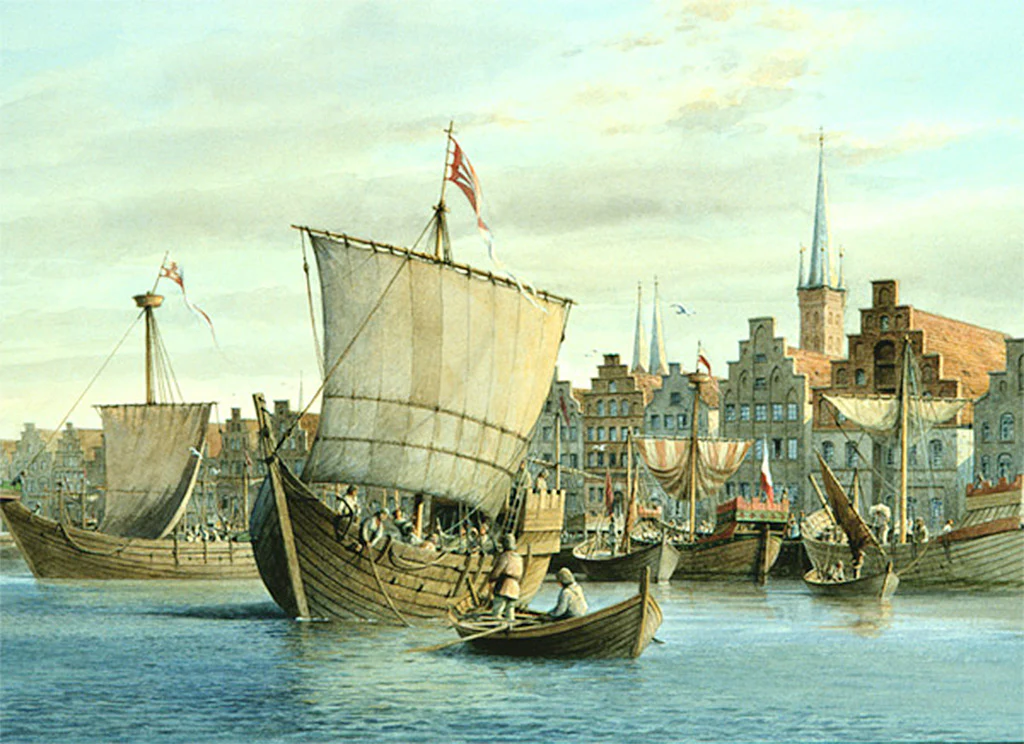
European trade in the sixteenth century centered on three major zones: the Mediterranean in the south, the Low Countries and Baltic region in the north, and central Europe, where inland trade moved along the Rhine and Danube Rivers. These older networks remained important, but overseas trade gradually made the Atlantic seaboard more significant.

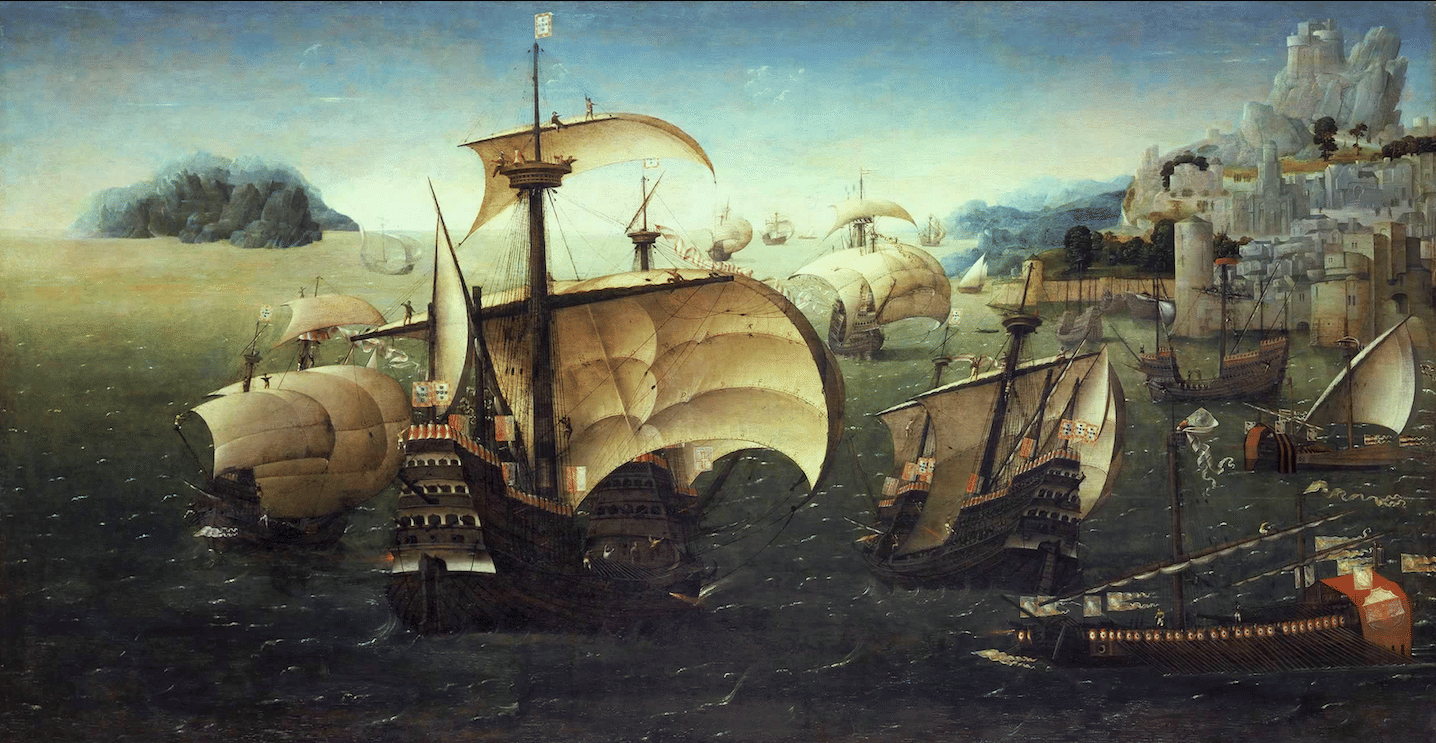
As Atlantic trade expanded, it linked these formerly separate commercial zones more closely together and helped turn Europe into a more integrated market. The Dutch, with their fast and efficient ships, came to dominate both European and world trade for a time, though English and French competition increased in the seventeenth century. Trade expansion therefore meant both greater opportunity and greater vulnerability to price shifts and commercial rivalry.

Image representing European trade routes, shipping, or the integration of regional markets
Atlantic expansion did not erase older trade zones, but it tied them together more tightly than before.
5. How did new business models support expansion?

Commercial growth became easier to sustain because merchants developed new forms of organization. The joint-stock company was especially important. Instead of relying on a single wealthy backer or one family firm, companies could raise large amounts of capital by selling shares to investors, who then received dividends if the venture succeeded.

This system spread both risk and reward. It allowed merchants to fund ambitious overseas ventures that would have been difficult for individuals to finance alone. The Dutch East India Company showed how profitable this model could be, returning substantial gains to investors while opening more distant markets to European commercial activity. Joint-stock companies became one of the clearest signs of expanding commercial capitalism.

Image representing investors, trading companies, or the Dutch East India Company
Joint-stock companies made large-scale commercial expansion easier by pooling money and distributing risk.
6. How did banking and finance evolve?

Earlier family banking houses had played a major role in financing trade and governments, but the scale of expanding capitalism eventually demanded more complex institutions. The career of Jacob Fugger showed both the possibilities and dangers of this older model. Enormous profits could be made through mining, metallurgy, and government loans, but fortunes could collapse if rulers defaulted.

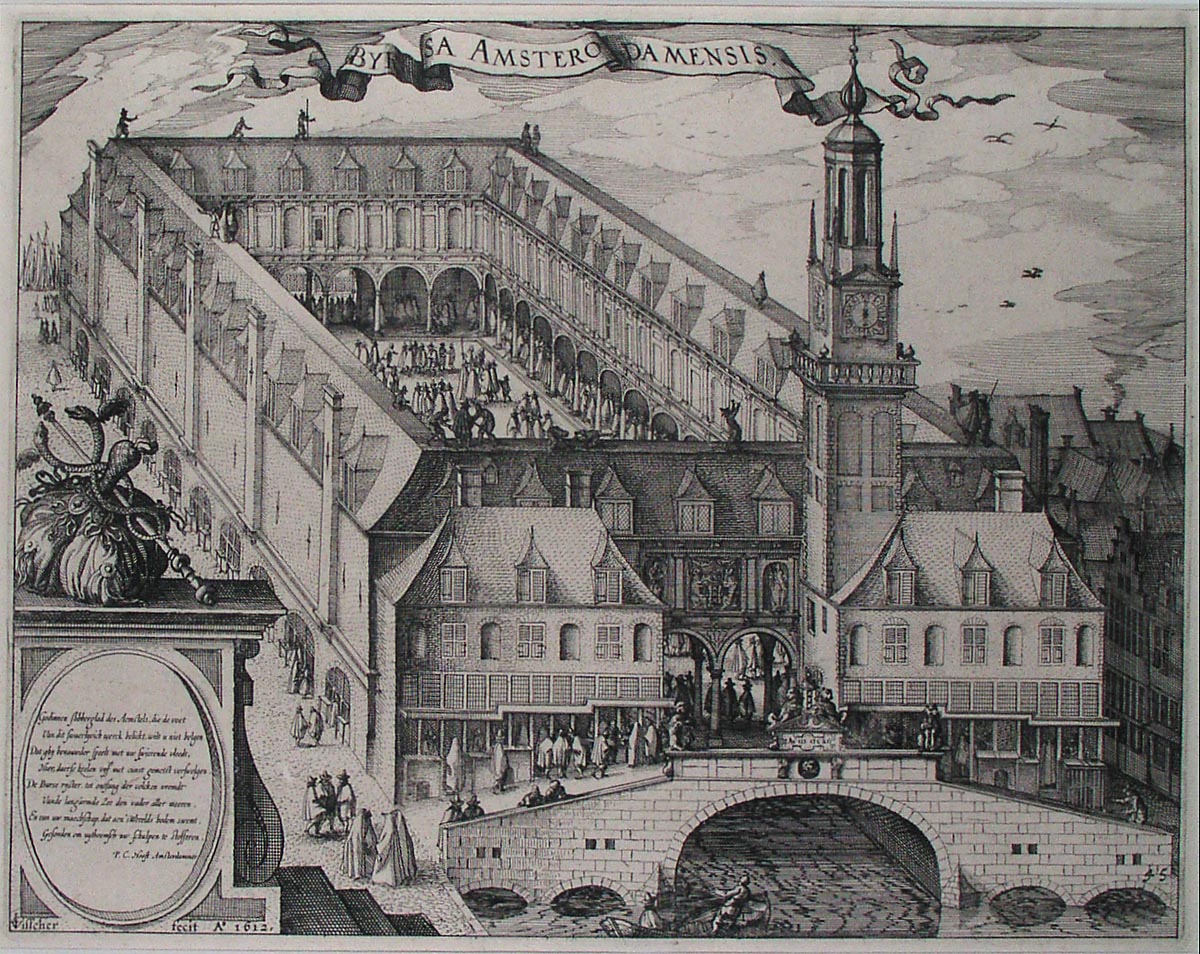
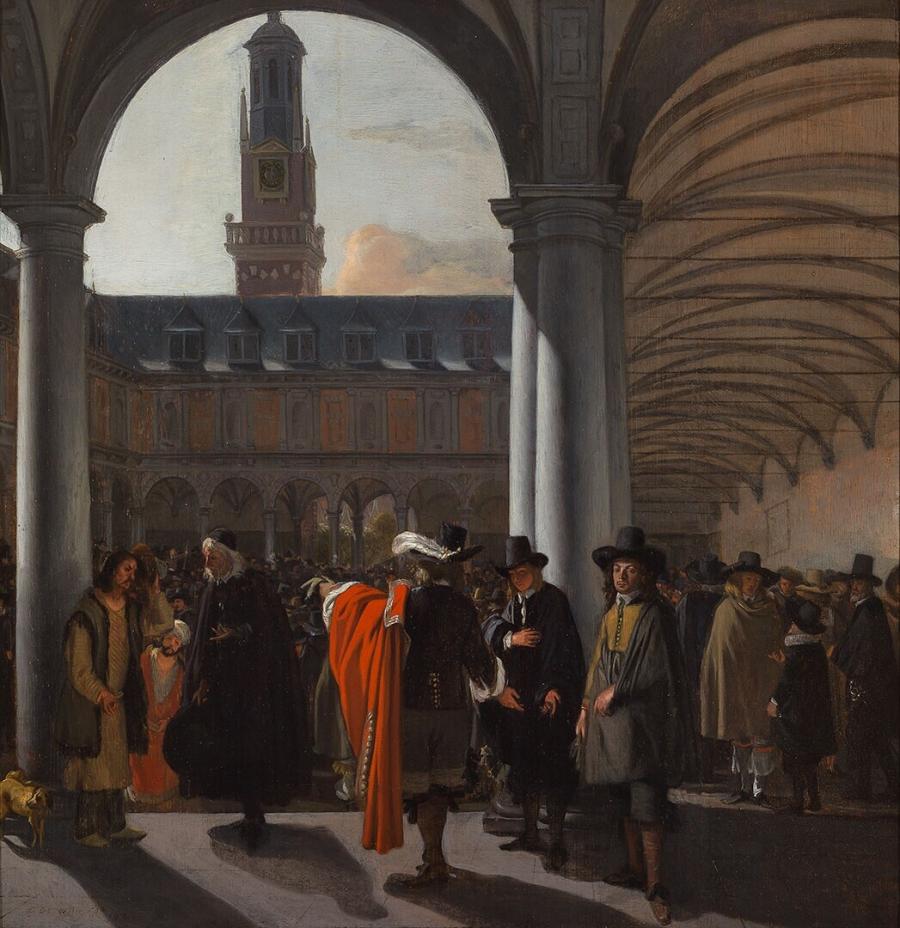
By the seventeenth century, cities like Amsterdam developed institutions better suited to a growing commercial world. The Bank of Amsterdam served as both a deposit and transfer institution, while the Amsterdam Exchange became a center for stock trading rather than merely the exchange of goods. Together, these institutions helped make Amsterdam the leading financial and commercial hub of Europe.

Image representing the Bank of Amsterdam, stock exchange activity, or early modern finance
New banks and exchanges helped organize the complex flows of money created by commercial expansion.
7. Why did agriculture remain central despite all this change?

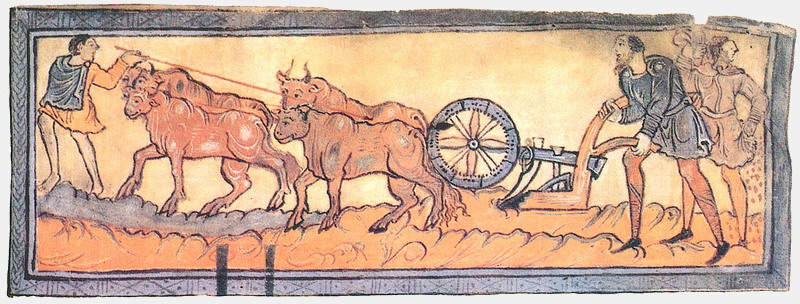
Despite the visibility of trade and finance, most Europeans still lived in a predominantly agricultural world. At least 80 percent of the population continued to work the land, and the basic structure of farming had changed little since the thirteenth century. This meant that economic transformation remained uneven and did not immediately replace older ways of life.

In western Europe, most peasants were free of serfdom, though many still owed dues to nobles and faced rising rents and taxes. In eastern Europe, conditions worsened as a new serfdom tied peasants more tightly to the land under powerful landlords. The growth of commerce therefore existed alongside remarkable continuity in rural life, and most peasants saw little improvement in their overall condition.

Image representing peasant agriculture, rural labor, or continuity in the agrarian economy
Even during an age of expanding trade, the overwhelming majority of Europeans still lived and worked in rural economies.
8. What was mercantilism?

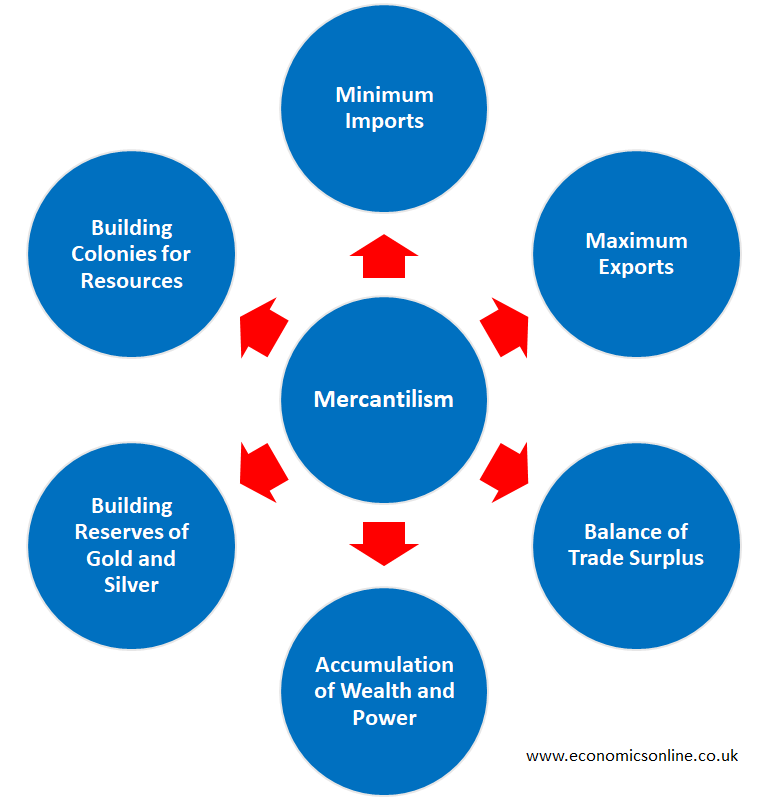
Mercantilism was a set of economic practices and assumptions that became influential in the seventeenth century. At its core was the belief that the total amount of wealth available through trade was limited. If one nation gained more, another nation must be losing ground. Because of this zero-sum way of thinking, governments tried to protect and expand their own economic power.

Mercantilists argued that national prosperity depended on a plentiful supply of bullion, especially gold and silver. They therefore sought a favorable balance of trade in which exports exceeded imports. Hoarding precious metals, encouraging manufacturing, and using economic policy to strengthen national wealth all became central features of mercantilist thinking.

Image representing bullion, national trade policy, or the idea of mercantilism
Mercantilism treated wealth as limited and pushed states to compete aggressively for economic advantage.
9. How did governments enforce mercantilist policies?

Mercantilist governments believed that the state should actively shape the economy for the national good. To encourage exports, rulers offered subsidies, granted monopolies, supported new industries, and imported skilled foreign artisans. They also improved roads, canals, and other transportation systems to move goods more efficiently.

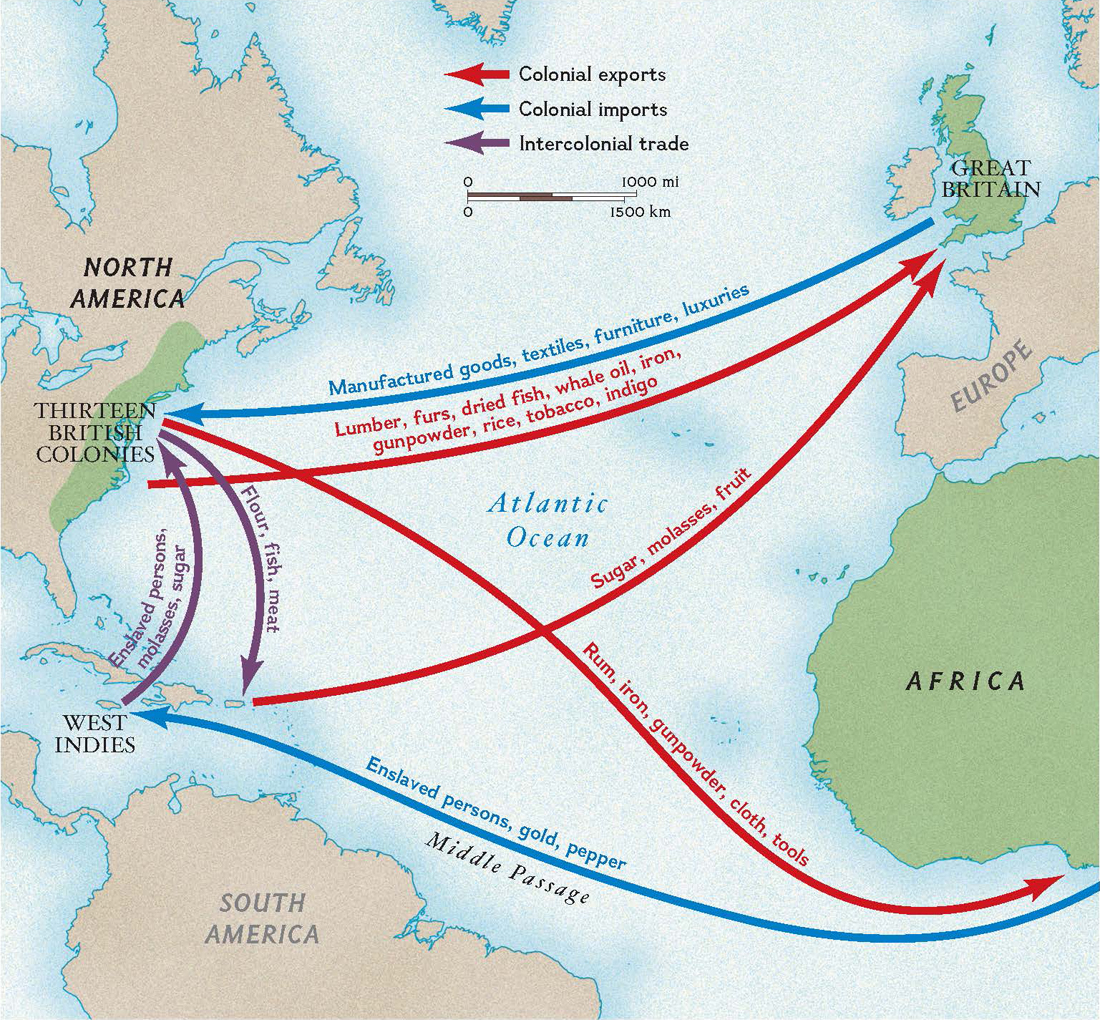
Governments also used protectionist measures such as high tariffs to keep foreign products out and reduce competition for domestic producers. Colonies fit neatly into this system because they could supply raw materials and serve as captive markets for finished goods. In this way, state power, imperial expansion, and economic policy worked together as parts of the same larger strategy.

Image representing tariffs, state intervention, infrastructure, or colonial trade policy
Mercantilist policy tied economic growth directly to government action, regulation, and imperial ambition.
10. How did trade become global?

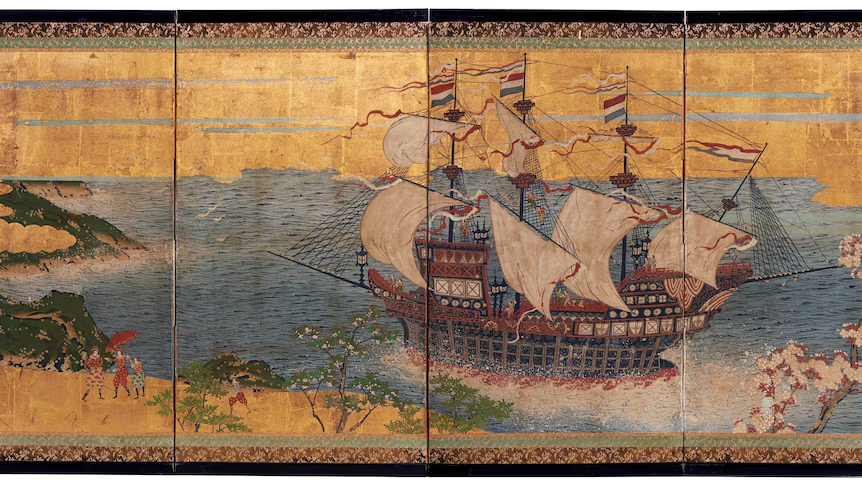
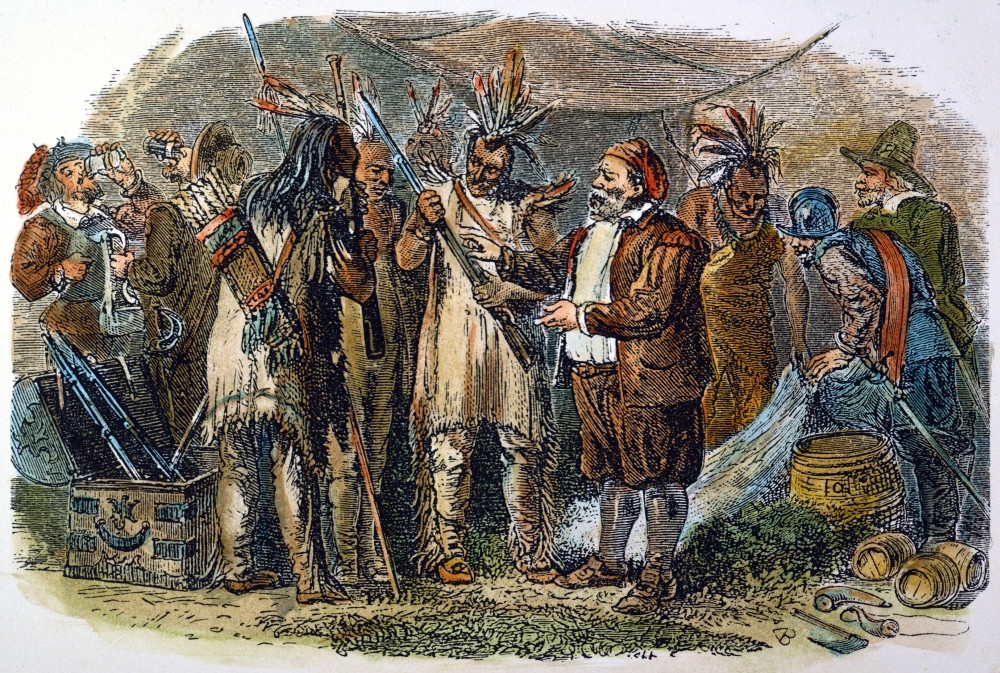
Even as local and intra-European trade remained dominant, overseas trade became increasingly significant because of the high value of the goods being exchanged. Merchants brought pepper and spices from the Indies, sugar from the Caribbean and Brazil, and coffee and tea from Asia. These products were first consumed mainly by elites, but they gradually reached artisans and merchants as well.

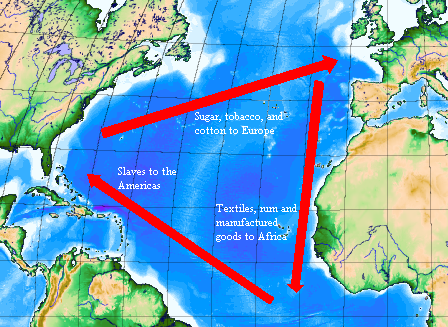
By the eighteenth century, overseas trade was growing faster than trade within Europe, and patterns of exchange increasingly linked Europe, Africa, Asia, and the Americas together. Some historians therefore speak of the emergence of a truly global economy. While older markets remained important, the commercial world had become far more interconnected than it had been in the medieval era.

Image representing spices, sugar, tea, coffee, or the intercontinental trade of the early modern world
Trade became more global not because overseas goods dominated by volume, but because they connected distant regions through high-value exchange.

Image-based synthesis

From local markets to a global system

Image representing inflation, grain, or the social effects of rising prices
Rising prices changed the balance of social power by hurting wage earners and benefiting those who controlled land or capital.
Image representing merchants, banking, joint-stock investment, or early capitalism
Commercial capitalism expanded through new organizations, new financial institutions, and growing opportunities for investment.
Image representing mercantilism, overseas trade, or the formation of a global economy
States and merchants helped turn overseas trade into part of a larger economic system linking multiple continents.

Key concept cards

Click to review vocabulary

Knowledge check

Check the major developments

Flashcards

Topic 12 review deck

Advanced Practice

Apply what you reviewed

Return to the essential question

How did economic changes and state policies help create a more connected global economy?

Economic transformation in early modern Europe came from the interaction of several forces at once. Inflation changed social relationships, commercial capitalism created new forms of investment and profit, and mercantilist governments treated trade and colonies as tools of national power. As overseas exchange expanded and financial institutions grew more sophisticated, Europe became more deeply tied to intercontinental trade networks. By the eighteenth century, these changes had helped lay the foundations of a truly global economy.