Unit 1 • Topic 2

Economic Recovery and Social Structure in Renaissance Europe

This topic explains how economic recovery, renewed trade, banking power, and persistent social hierarchy shaped the society in which Renaissance culture developed.

Estimated study time: 14–18 minutes
Mode: Learn and review
Unit progress: 2 of 12 topics
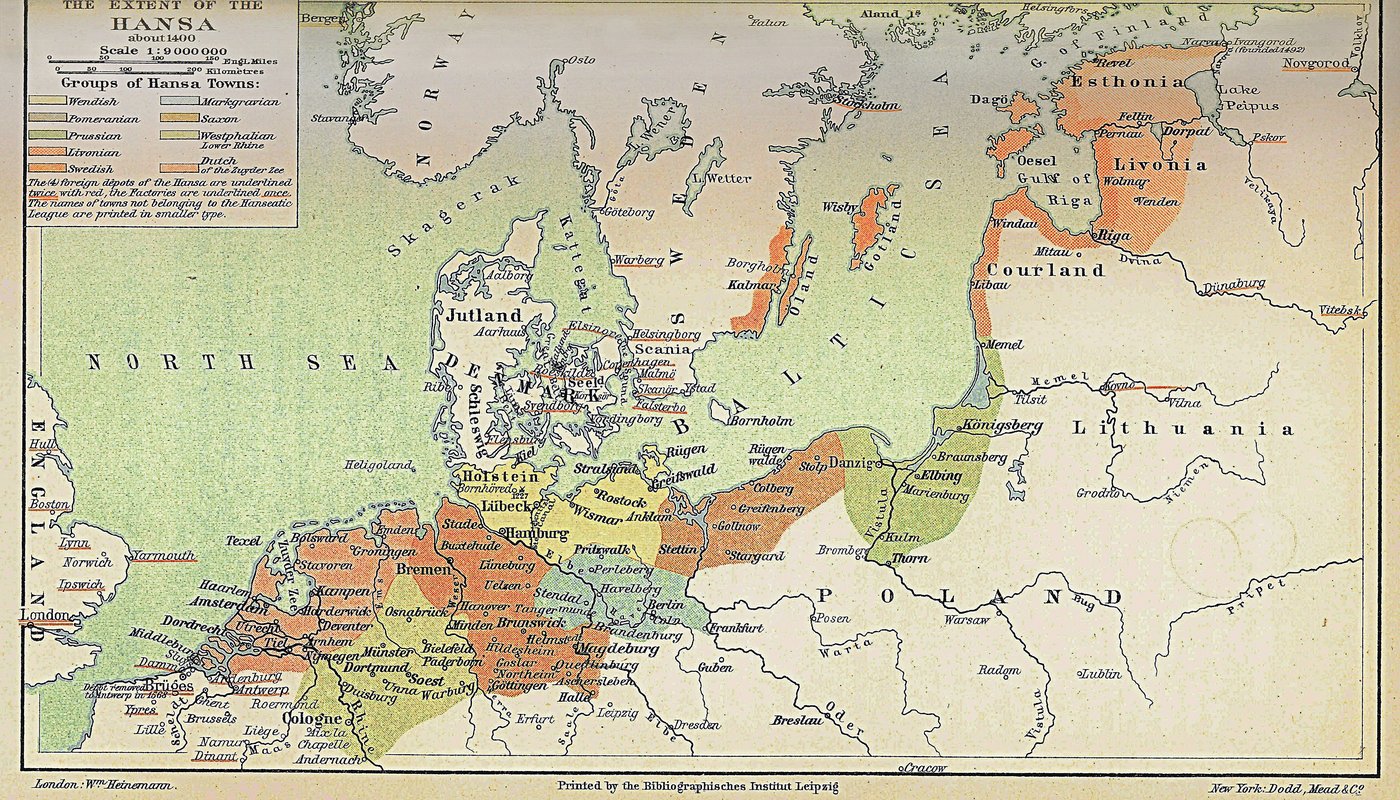
Map of the Hanseatic League trade network
The Hanseatic League linked many northern European cities through trade, protection, and commercial settlements. Its reach shows that Renaissance society was shaped by expanding networks of exchange as well as by cultural achievement.

Essential question

How did economic recovery and social changes reshape European society during the Renaissance?

After the severe economic reversals and social upheavals of the fourteenth century, the European economy gradually recovered as trade and manufacturing expanded. Italian merchants remained active in Mediterranean commerce while northern networks grew through the Hanseatic League. Florence also regained financial importance through the Medici bank. At the same time, Renaissance society retained much of the broad social hierarchy inherited from the Middle Ages. Nobles remained politically powerful, peasants still made up most of the population, and urban life was sharply divided between wealthy patricians, artisans, laborers, and the poor.

Family structure also remained central to social life. Marriage alliances, dowries, household authority, and patriarchal control shaped both private life and social strategy. The Renaissance therefore developed within a society that was recovering economically but remained deeply unequal and highly structured.
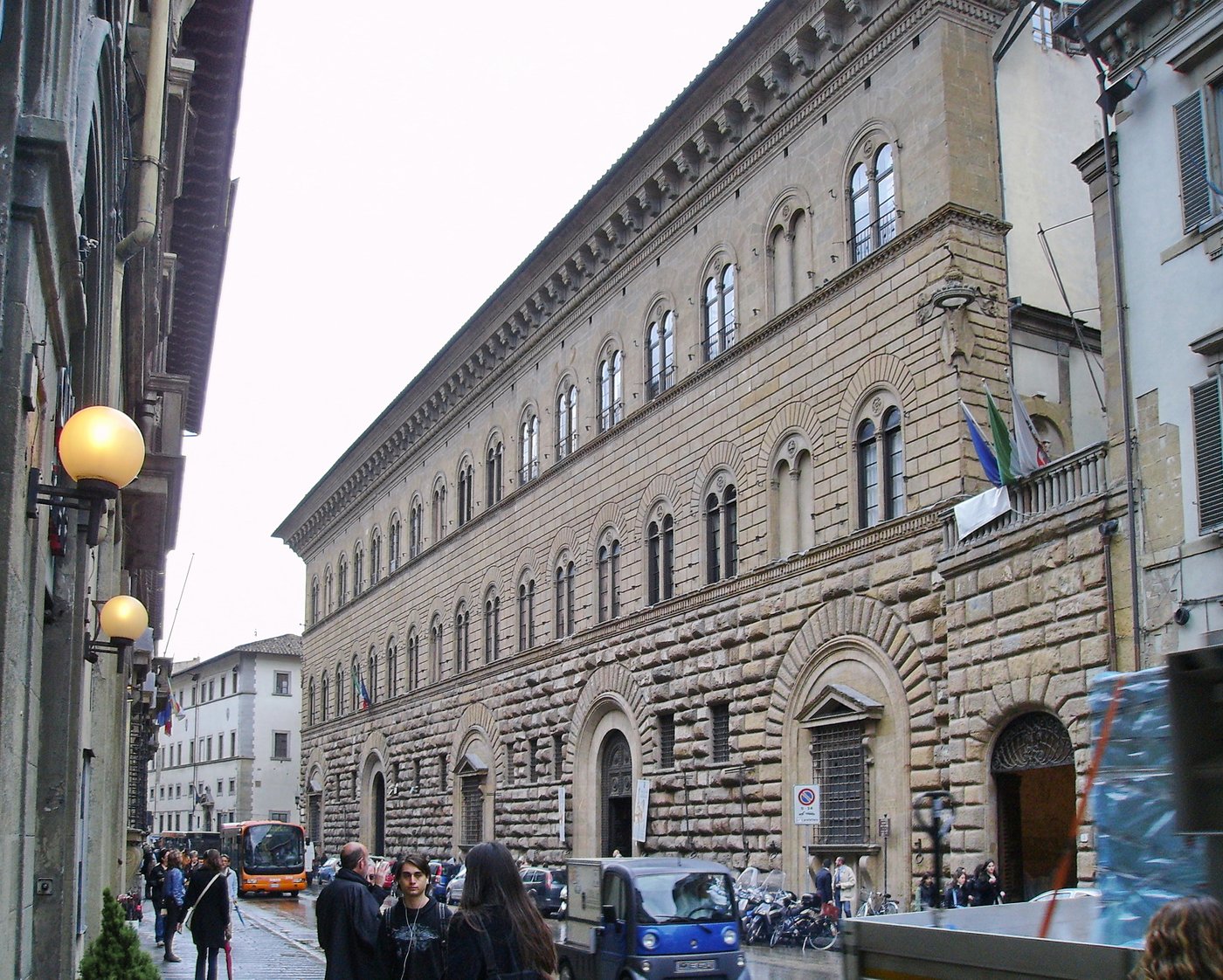
Medici palace and banking center in Florence
The Medici family rose from cloth production into commerce, real estate, and banking. Their success shows how financial power could translate into political influence and social prestige in Renaissance Florence.

Interactive concept explorer

Open each section to build the full picture

1. How did trade recover after the crisis of the fourteenth century?

European trade recovered significantly after the economic contraction of the fourteenth century. Italian merchants continued to conduct extensive commerce throughout the Mediterranean and also expanded their routes northward along the Atlantic seaboard. Venetian fleets maintained direct sea connections to England and the Netherlands, linking Mediterranean markets to northern Europe.

This commercial revival mattered because it helped restore economic life after plague, recession, and political disruption. Although Italians had been hit hard by the crises of the fourteenth century, trade networks gradually reconnected regions and supported renewed urban prosperity.

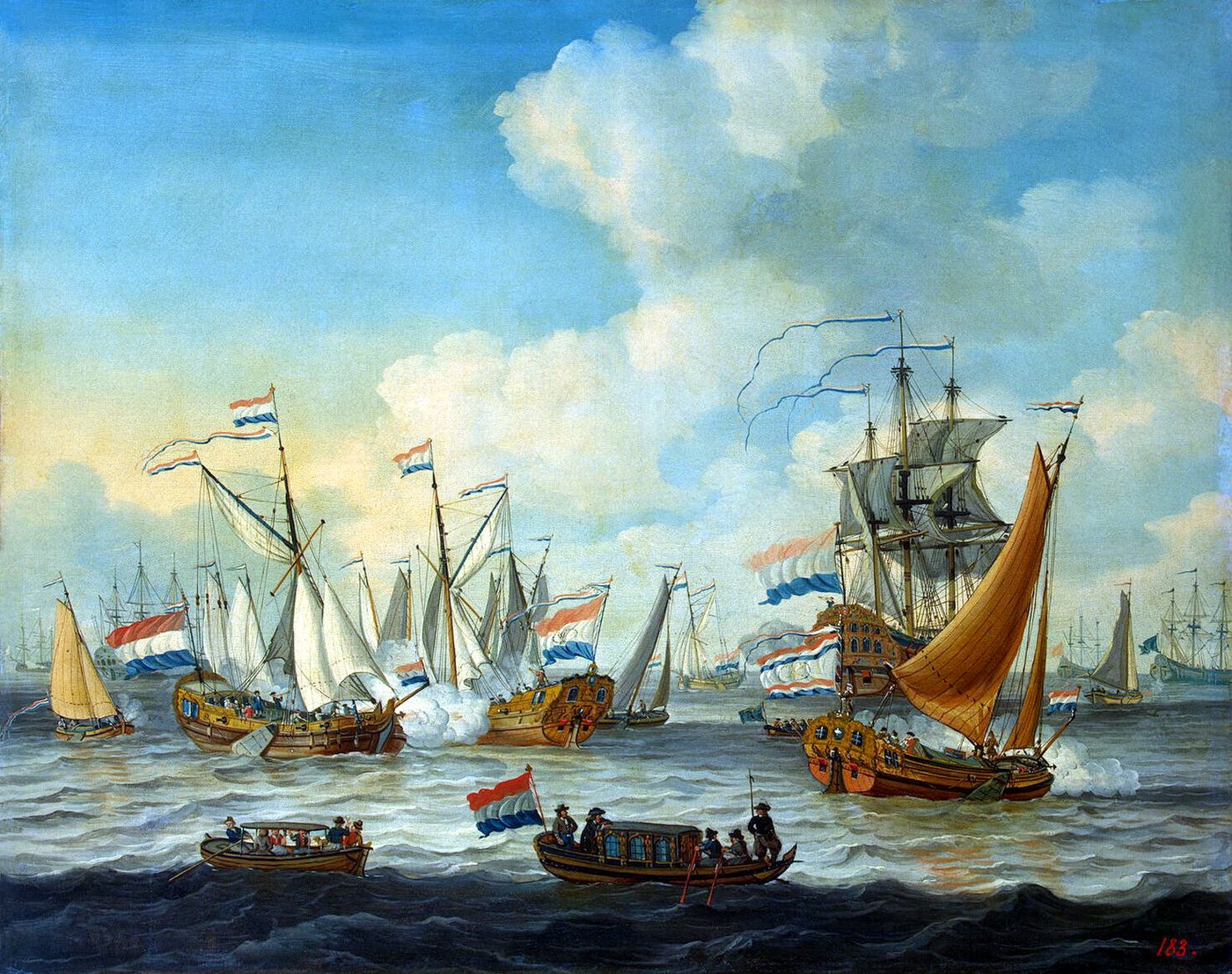
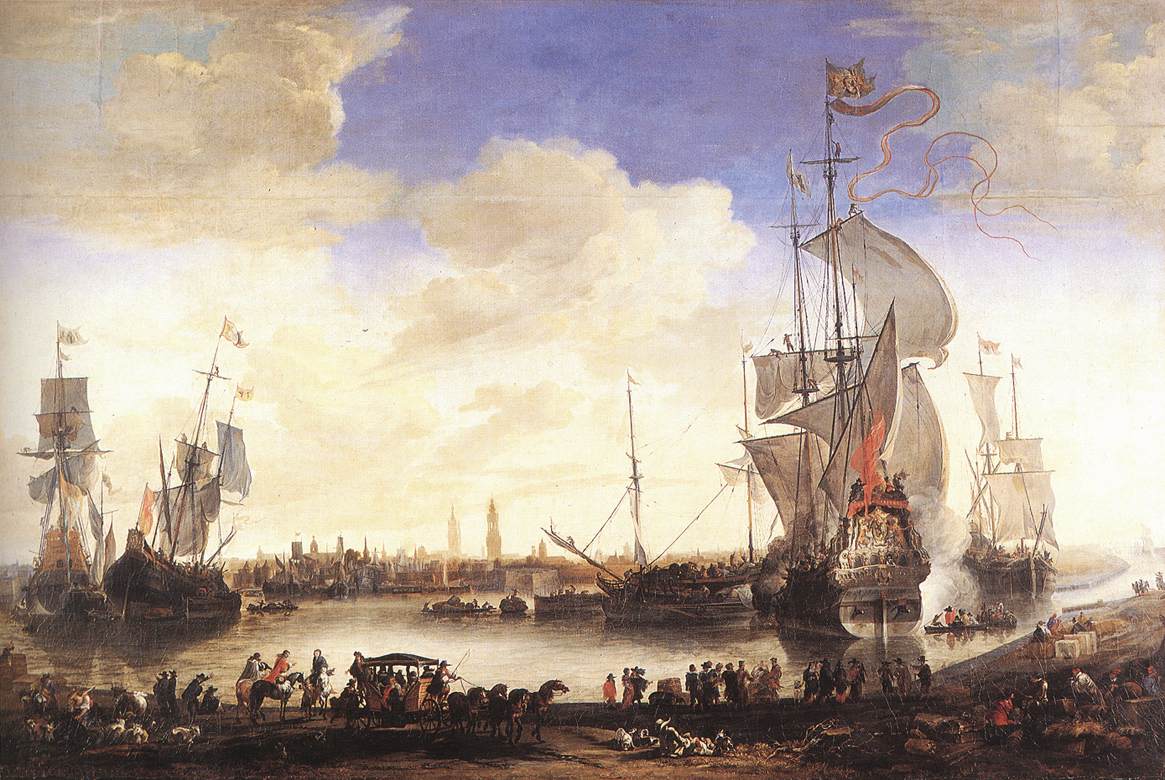
Historic Bruges harbour scene
Bruges became a major commercial crossroads where northern merchants and the Venetian fleet exchanged goods and connected regional markets.
Venetian fleet scene
Venetian trade remained one of the strongest forces in European commerce during the fifteenth century, helping sustain Mediterranean economic influence.
2. Why was the Hanseatic League so important to northern Europe?

The Hanseatic League was a commercial and military association of North German coastal towns led by Lübeck. By 1500, more than eighty cities belonged to the League, which created armies for mutual protection and established settlements and trading centers across northern Europe.

For nearly two centuries, the Hansa dominated trade in major northern products such as timber, fish, grain, metals, honey, and wines. Its power shows that Renaissance society was shaped by broad European commercial networks, not just by Italian city-states. It also demonstrates how urban alliances could exercise influence across entire regions.

3. How did manufacturing change during the Renaissance economy?

The economic depression of the fourteenth century had badly damaged traditional industries such as wool production in Flanders and northern Italy. By the early fifteenth century, however, Florence’s woolen industry had begun to recover. At the same time, Italian cities expanded luxury industries that produced silk, glassware, and finely crafted metal and stone goods.

New sectors also grew in importance, especially printing, mining, and metallurgy. These industries helped diversify the economy and contributed to broader commercial recovery. Renaissance economic development therefore involved both the restoration of older industries and the rise of newer ones.

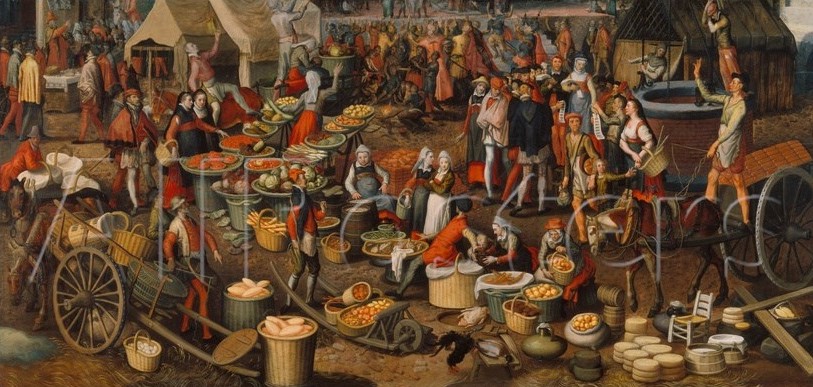
Renaissance market scene
Urban markets reflected the intersection of commerce, labor, and social hierarchy in a recovering Renaissance economy.
4. How did banking make Florence a center of power?

Florence regained preeminence in banking in the fifteenth century largely because of the Medici family. The Medici expanded from cloth production into commerce, real estate, and banking, building what became the most powerful bank in Europe at its height.

The House of Medici operated branches in major cities such as Venice, Milan, Rome, Bruges, London, and Lyons, and it profited heavily from its role as principal banker for the papacy. Although the bank later declined because of poor leadership and bad loans, its rise shows how financial institutions helped shape Renaissance political and social power.

5. Why did social hierarchy remain so strong during the Renaissance?

Renaissance society inherited the broad three-estate structure of the Middle Ages: clergy, nobility, and the Third Estate. Nobles made up only a small percentage of the population, but they still dominated politics, military leadership, and elite social life. By 1500, aristocratic culture remained powerful, and writers such as Baldassare Castiglione described the education, conduct, and accomplishments expected of nobles.

Peasants still made up the overwhelming majority of the population, though serfdom declined in western Europe. In towns and cities, wealthy patricians stood at the top, followed by artisans and guild members, while wage laborers, the unemployed, and the poor lived in far more difficult conditions. Economic recovery did not erase inequality.

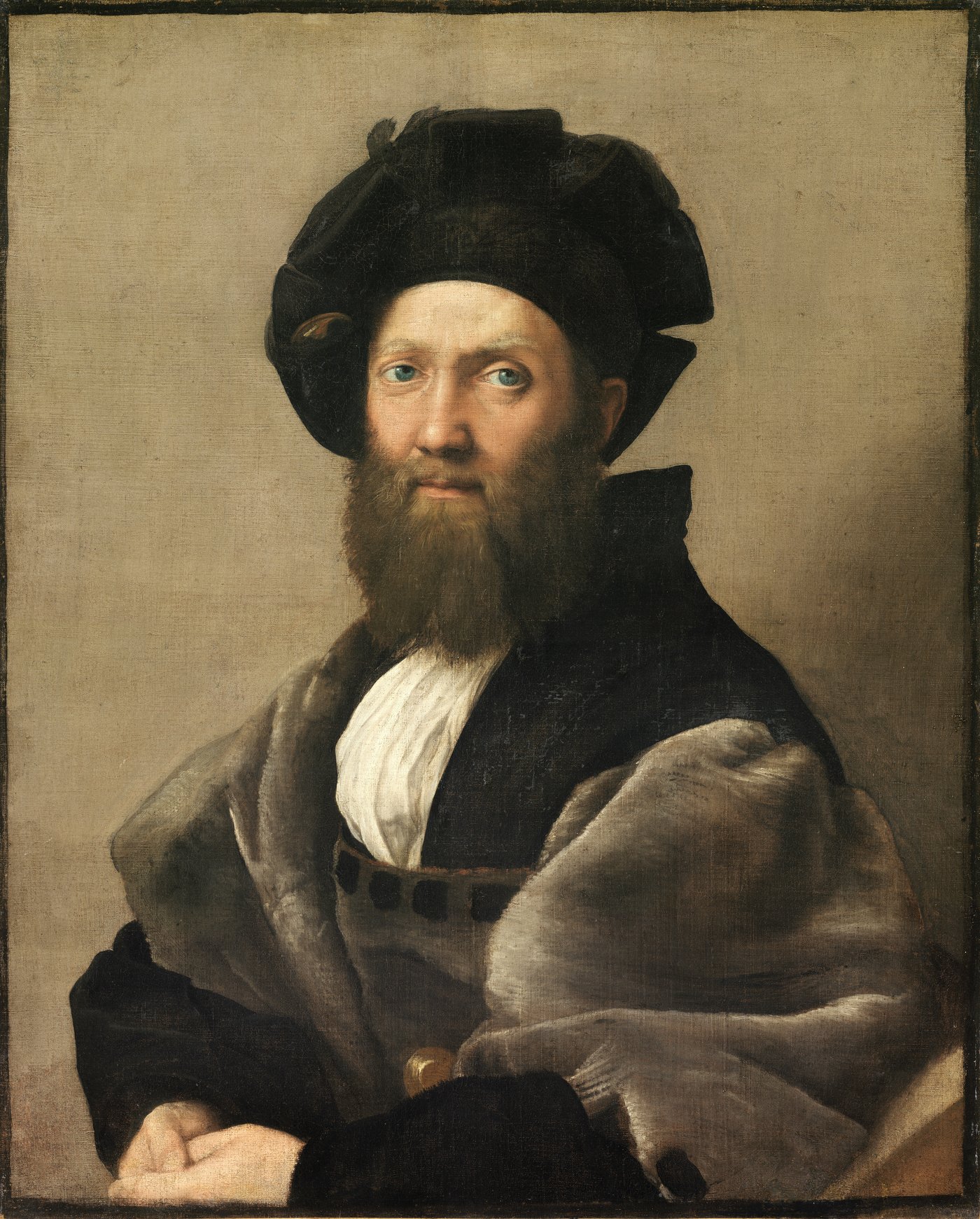
Portrait of Baldassare Castiglione
Castiglione’s The Book of the Courtier described the ideals expected of nobles and reveals how aristocratic identity remained central in Renaissance society.
6. How did family structure, marriage, and patriarchy shape daily life?

The family was the fundamental social institution of Renaissance Italy. Households often included parents, children, servants, grandparents, widowed mothers, and unmarried sisters. Parents arranged marriages carefully, often to strengthen business interests or family alliances, and legally binding marriage contracts reinforced these decisions.

Dowries were central to marriage strategy because they could influence whether a family rose or fell in status. Fathers controlled finances and major legal decisions, while wives managed the household. Childbirth was dangerous, infant mortality remained high, and many families sought multiple children to ensure a surviving male heir. Family life was therefore deeply tied to social status, economic planning, and patriarchal authority.

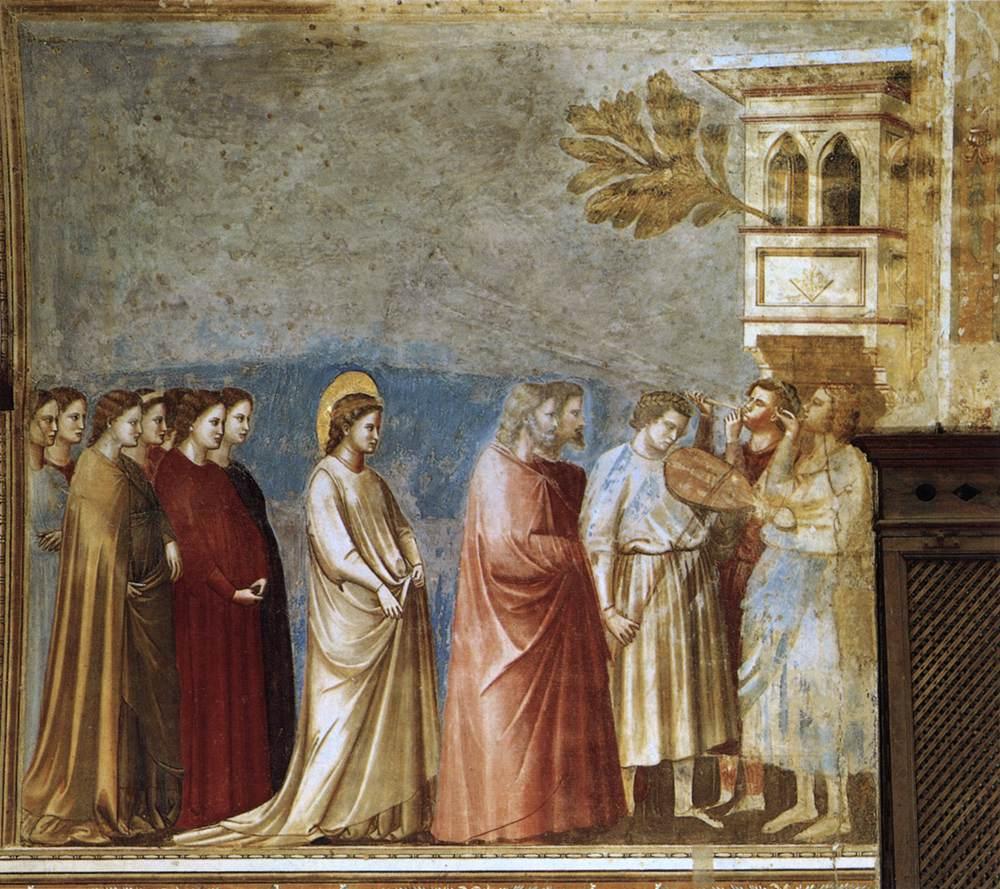
Renaissance wedding procession
Marriage alliances were arranged with great care because they shaped family status, property, and long-term social connections.
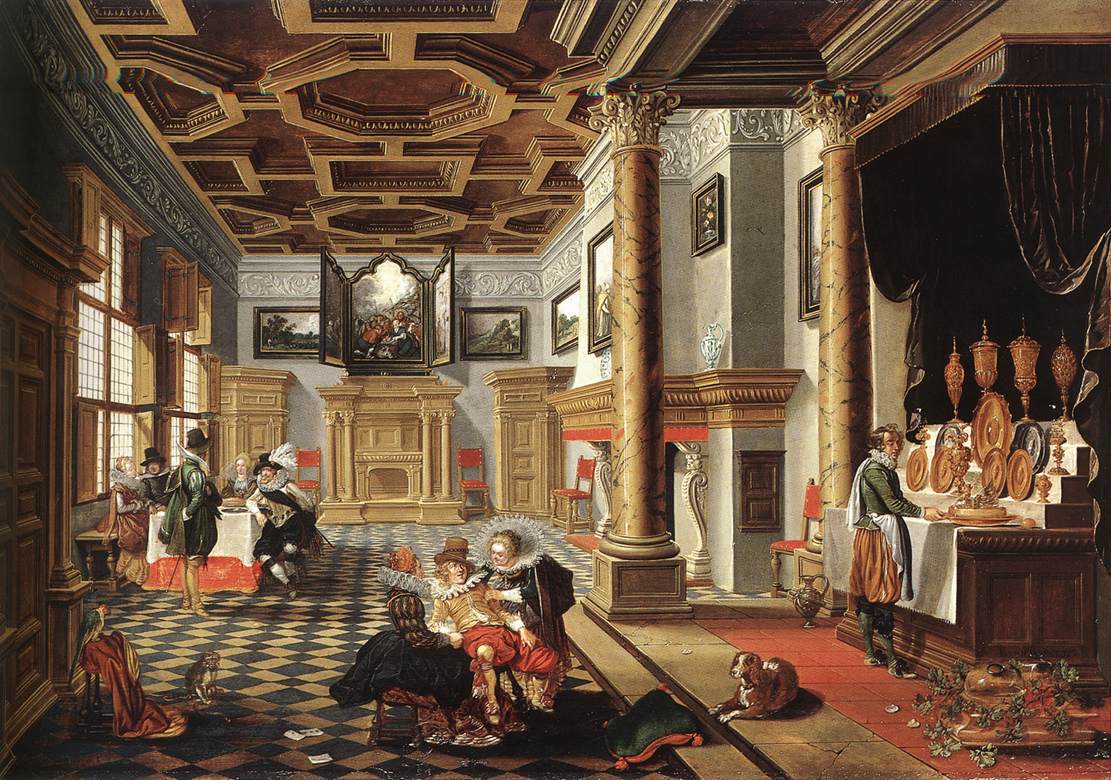
Renaissance banquet group
Elite family gatherings displayed the status, alliances, and social networks that structured Renaissance urban life.

Key concept cards

Click to review vocabulary

Knowledge check

Check the major developments

Flashcards

Topic 2 review deck

Advanced Practice

Apply what you reviewed

Return to the essential question

How did recovery reshape Renaissance society?

Economic recovery reshaped Renaissance society by expanding trade, reviving manufacturing, and strengthening financial centers such as Florence. Yet these gains developed within a world still defined by nobles, peasants, urban hierarchy, patriarchal households, and strategic family alliances. The Renaissance economy changed, but inequality and social structure remained deeply rooted.