Unit 1 • Topic 3

Power and Politics in Renaissance Italy

This topic explains how political fragmentation, court culture, diplomacy, and foreign invasion shaped Renaissance Italy and helps explain why Machiavelli developed a hard-edged view of power and statecraft.

Estimated study time: 14–18 minutes
Mode: Learn and review
Unit progress: 3 of 12 topics
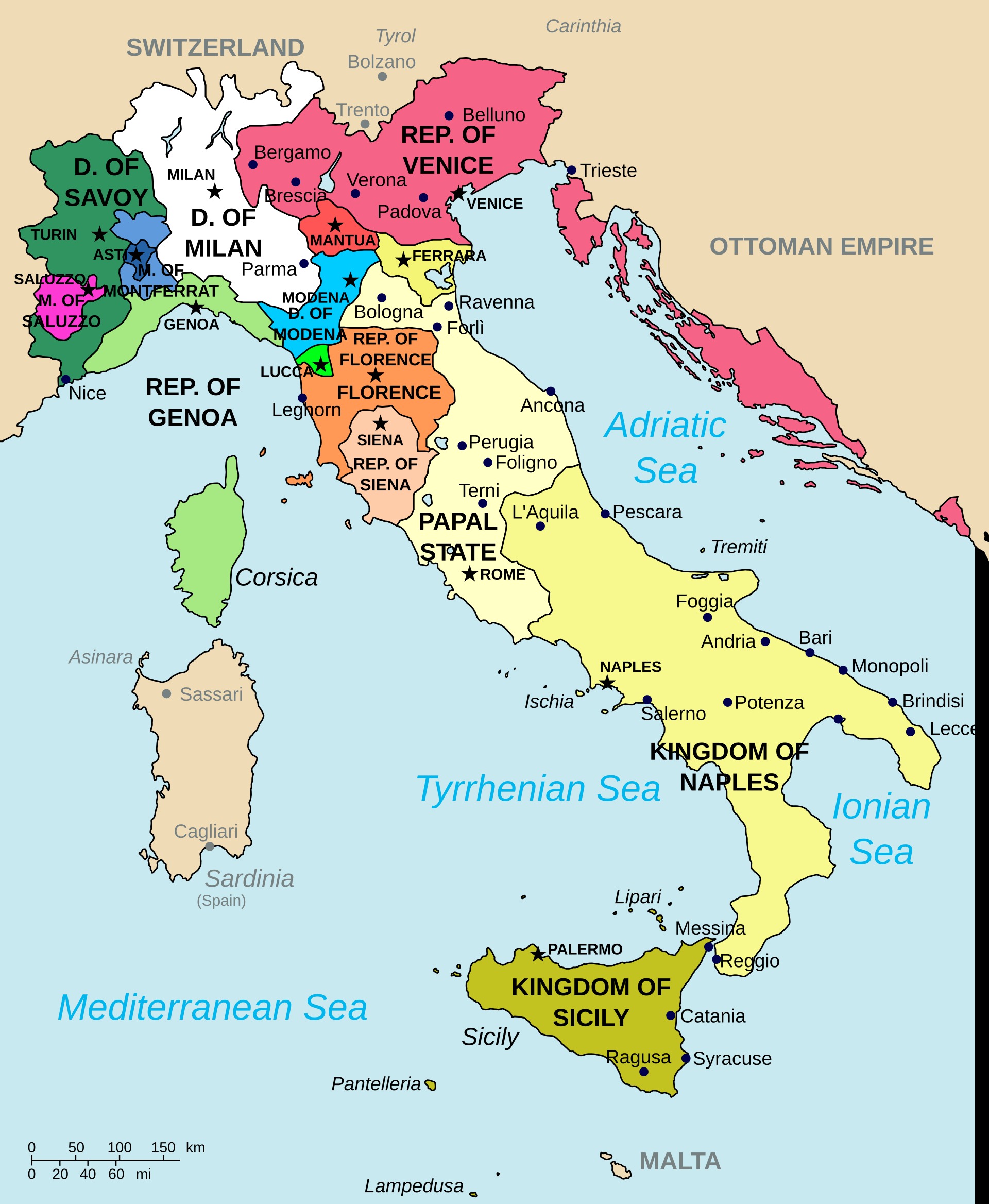
Map of the major Italian states during the Renaissance
Renaissance Italy was divided among five major states and many smaller courts. This fragmentation encouraged rivalry, diplomacy, and constant political maneuvering rather than national unity.

Essential question

How did Machiavelli’s works reflect the political realities of Renaissance Italy?

By the fifteenth century, Italy was divided among five major states—Milan, Venice, Florence, the Papal States, and Naples—along with many smaller city-states and courts. Some states became wealthy and culturally brilliant, but they remained politically divided and suspicious of one another. Florence was shaped by Medici influence, Venice by merchant oligarchy, Milan by forceful dynastic rule, and smaller courts such as Urbino and Mantua by elite patronage.

Italian rulers developed diplomacy and balance-of-power politics in an effort to preserve independence, yet these systems ultimately failed to prevent foreign invasions. France and Spain turned Italy into a battleground. Machiavelli lived through this instability and concluded that rulers had to think in practical terms about power, survival, and state preservation rather than ideal morality.
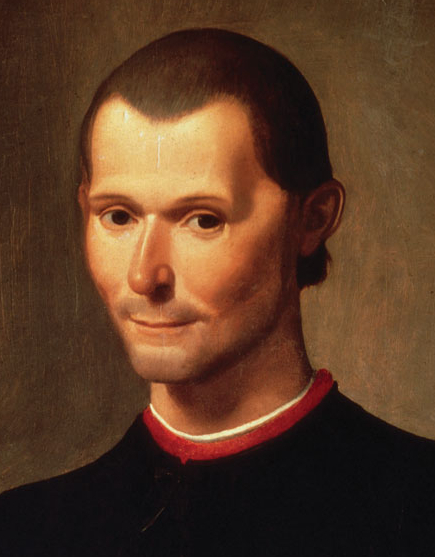
Portrait of Niccolò Machiavelli
Machiavelli drew his political conclusions from the instability, invasions, and rivalry that defined Renaissance Italy.

Interactive concept explorer

Open each section to build the full picture

1. Italy was politically fragmented rather than unified

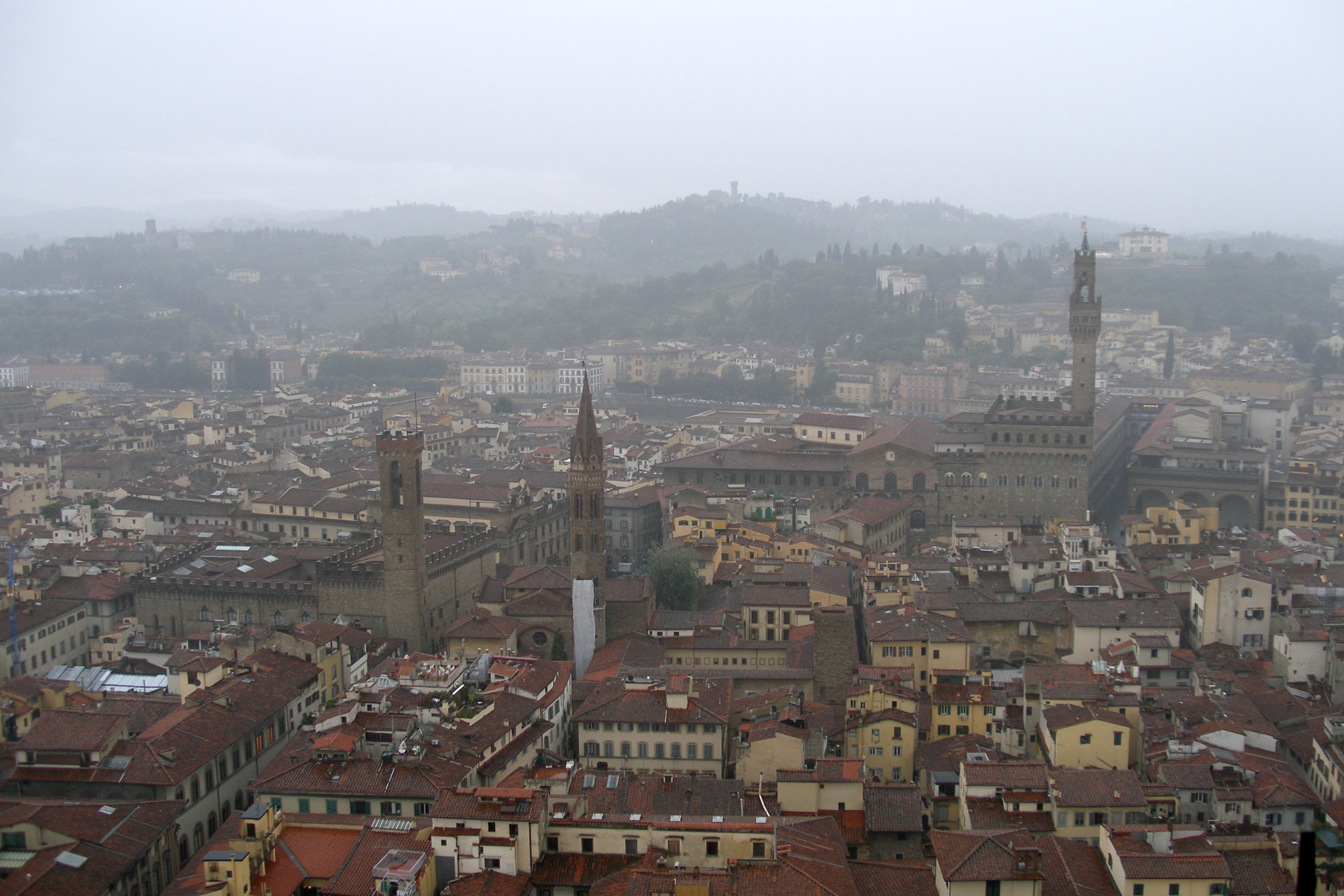
Renaissance Italy was not a single nation-state. Instead, the peninsula was divided among five major powers—Milan, Venice, Florence, the Papal States, and Naples—along with numerous smaller independent city-states. This fragmentation created a political environment defined by rivalry, shifting alliances, and strategic calculation. It also meant that Italian rulers had to focus constantly on survival in a competitive regional system.

Renaissance Italian cityscape
Italian power during the Renaissance was concentrated in competing states and courts rather than in one unified kingdom.
2. The major states developed different political structures

Milan became a highly centralized territorial state under the Visconti and then the Sforza family, who built strong taxation systems. Venice remained a stable republic ruled by merchant-aristocrats whose commercial empire made it an international power. Florence preserved republican forms but was effectively controlled by the Medici through patronage and political alliances. The Papal States reflected the political ambitions of Renaissance popes, while Naples remained a more backward monarchy dominated by nobles and widespread poverty.

These differences show that Renaissance Italy contained many forms of rule, all operating within a climate of competition. Political variety did not create unity. Instead, it intensified rivalry and made long-term cooperation difficult.

3. Courts such as Urbino, Mantua, and Ferrara became cultural centers

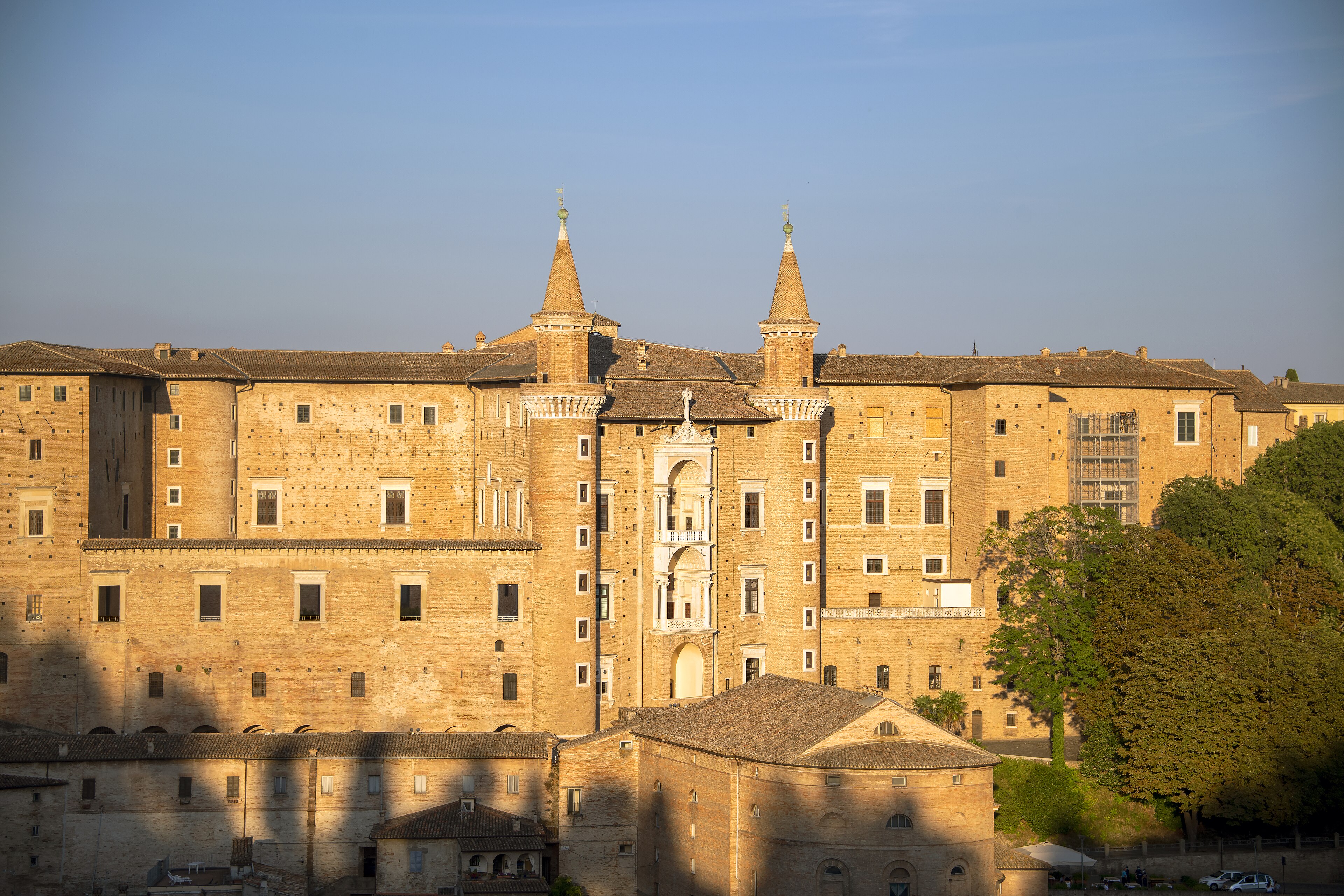
Besides the five major powers, smaller courts also became important centers of Renaissance culture. Urbino, ruled by Federigo da Montefeltro, became especially admired for its intellectual and artistic life. Mantua under the Gonzaga family and Ferrara under the d'Este family also developed important courts.

These smaller states show how rulers used cultural patronage to enhance prestige and political legitimacy. Court culture was not separate from politics. It was one of the ways political authority was displayed and strengthened.

Ducal Palace in Urbino
Urbino became one of the best-known cultural courts of Renaissance Italy under Federigo da Montefeltro.
4. Elite women could hold meaningful political and cultural influence

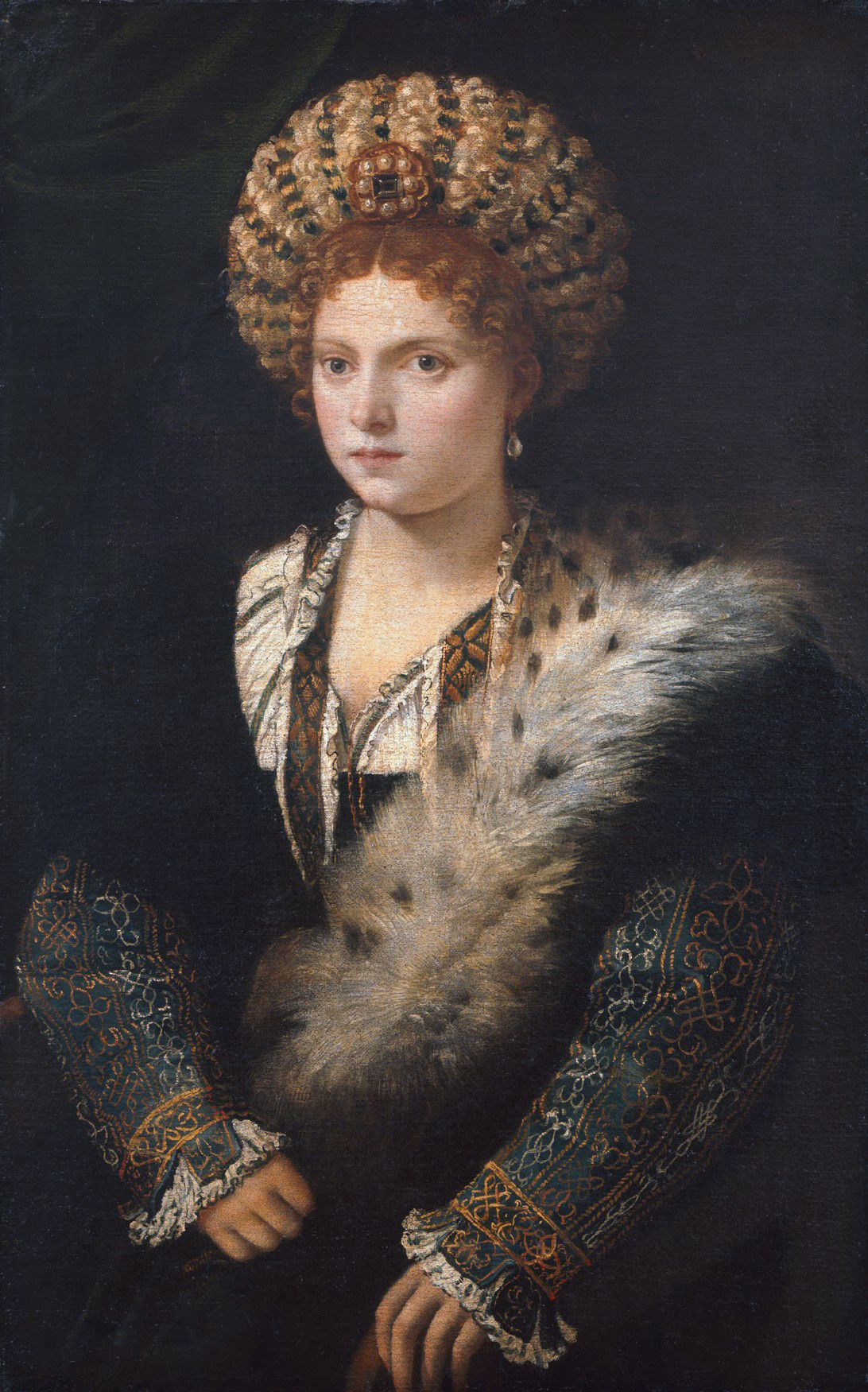
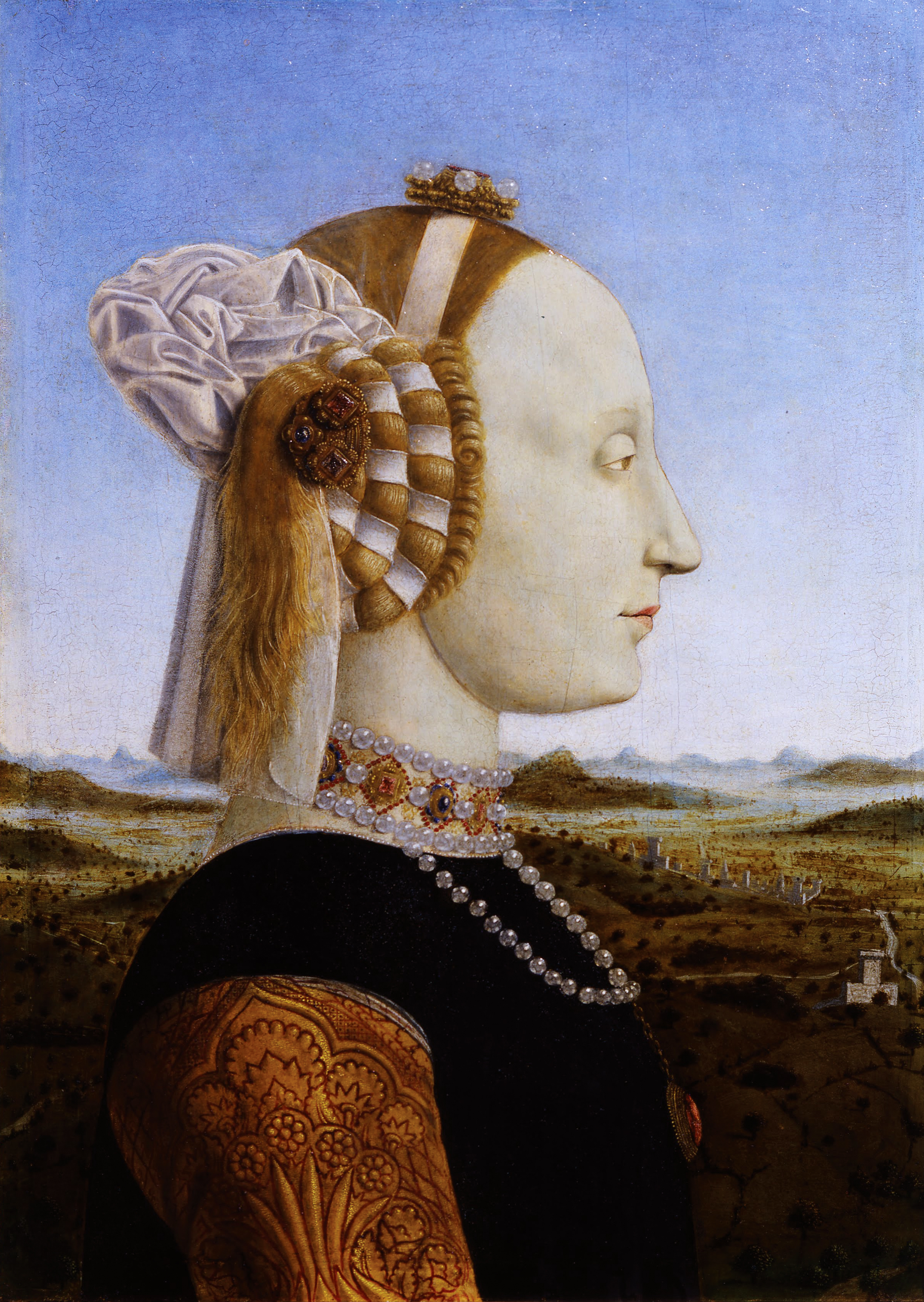
The chapter emphasizes that women could play important roles in Renaissance courts. Battista Sforza helped govern Urbino and supported the arts and letters. Isabella d'Este, one of the most famous ruling women of the Renaissance, was known for intelligence, political wisdom, patronage, and diplomatic skill.

Their examples show that court life could create limited but real opportunities for elite women to shape politics and culture. These women did not overturn patriarchy, but they clearly exercised influence within elite political settings.

Portrait of Isabella d'Este
Isabella d'Este became famous for political acumen, patronage, and effective rule in Mantua.
Portrait of Battista Sforza
Battista Sforza was respected not only for education and patronage but also for practical governance.
5. Italian rulers tried to preserve order through a balance of power

After the Peace of Lodi in 1454, the major Italian states developed a balance-of-power system designed to prevent any one state from dominating the others. This arrangement helped produce a relatively peaceful fifty-year period.

Even so, it rested on limited cooperation and mutual suspicion. The Italian states never developed lasting unity, and their political system remained vulnerable when more powerful monarchies from outside the peninsula intervened.

6. Foreign invasions exposed the weakness of divided Italy

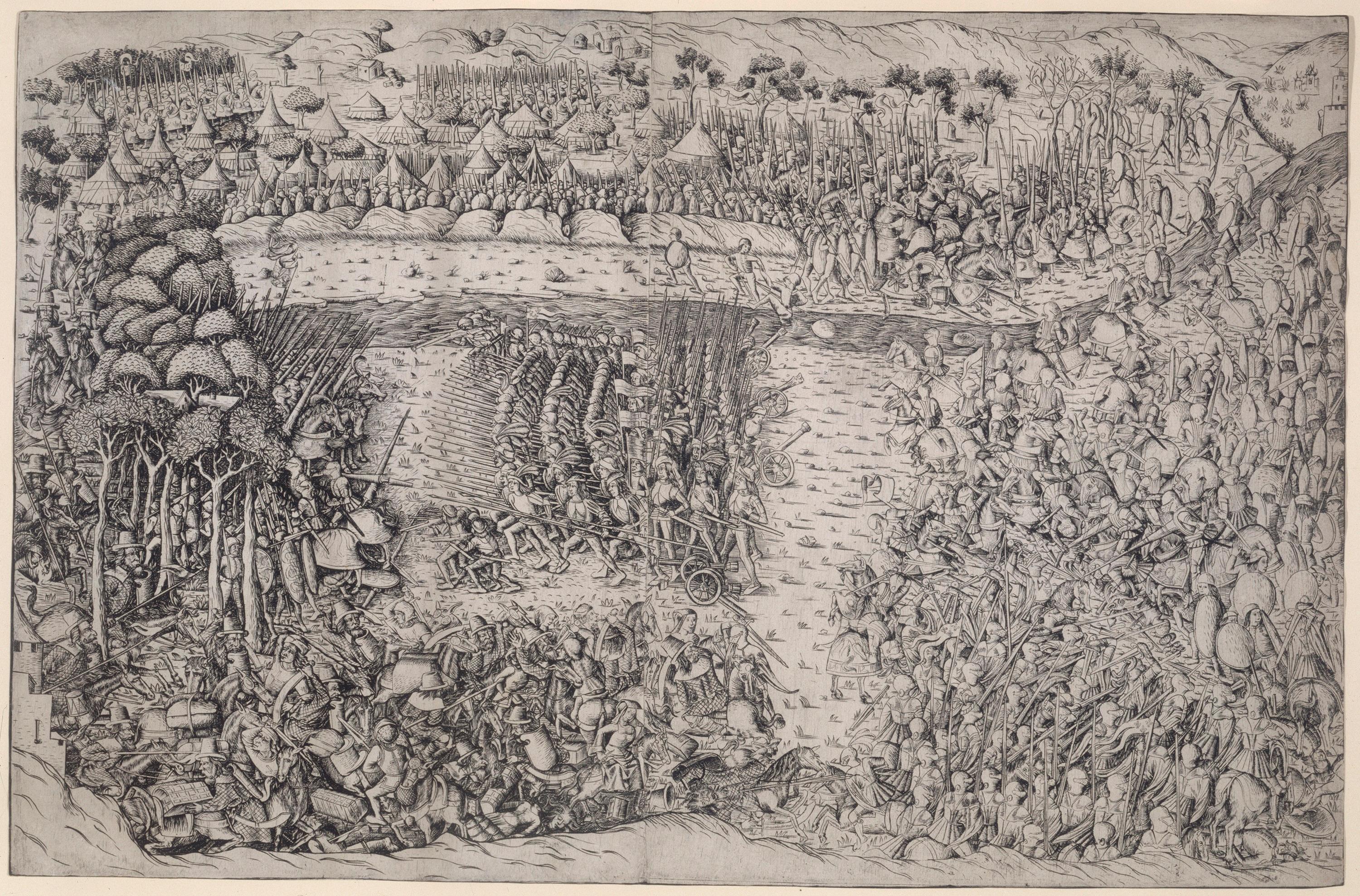
The Italian balance of power broke down when Ludovico Sforza of Milan invited French intervention. In 1494 Charles VIII of France invaded Italy and occupied Naples, beginning a long struggle between France and Spain for dominance in the peninsula. Italy became a battleground for larger powers, and the Sack of Rome in 1527 symbolized the depth of the crisis.

The inability of Italians to unite against foreign invaders shaped the pessimistic political world Machiavelli tried to understand. Italy’s weakness was not just military. It was also political, because local loyalties outweighed larger unity.

Scene representing warfare in Renaissance Italy
The Italian wars revealed how vulnerable the peninsula was when outside monarchies entered Italian politics.
7. Diplomacy became a permanent tool of state survival

Renaissance Italy also gave rise to the modern diplomatic system. Instead of sending temporary envoys only when necessary, Italian states increasingly used permanent resident ambassadors to gather information and defend state interests. This reflected a major political shift.

Ambassadors were no longer seen primarily as servants of all Christendom but as agents of individual states. The preservation and aggrandizement of the state became the central goal of diplomacy.

Renaissance diplomatic meeting
Permanent ambassadors emerged as rulers sought information and advantage in an intensely competitive political system.
8. Machiavelli turned political instability into a theory of realistic statecraft

Niccolò Machiavelli served the Florentine republic as a diplomat and observed Renaissance politics directly. After the Medici returned to power, he was exiled and wrote The Prince. In that work, he argued that rulers must deal with the world as it actually is rather than as moral theory imagines it should be.

Because people are self-interested and unreliable, rulers must be prepared to act harshly when necessary. Machiavelli's thinking reflects a world in which divided Italian states faced invasion, betrayal, and political collapse.

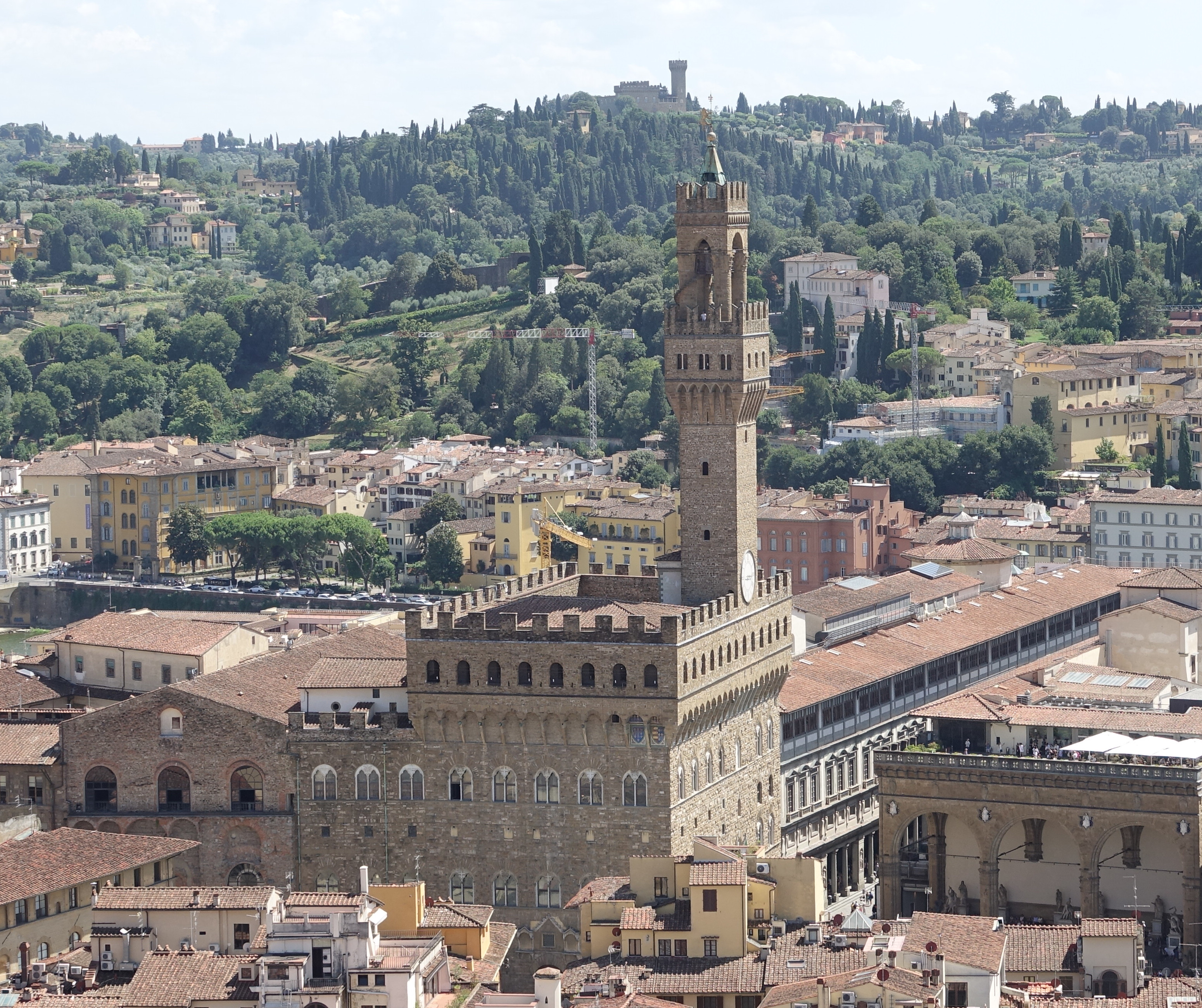
Florentine government building
Machiavelli's political ideas grew from direct experience with diplomacy, statecraft, and the instability of Florentine politics.

Key concept cards

Click to review vocabulary

Knowledge check

Check the major developments

Flashcards

Topic 3 review deck

Advanced Practice

Apply what you reviewed

Return to the essential question

How did Machiavelli’s works reflect the political realities of Renaissance Italy?

Machiavelli’s works reflected the political realities of Renaissance Italy because he lived in a world of fragmented states, shifting alliances, foreign invasions, and constant struggle for survival. Italian rulers relied on diplomacy, calculation, and state-centered politics rather than stable unity or shared ideals. In that environment, Machiavelli concluded that a ruler had to understand power realistically and preserve the state even when moral ideals proved ineffective.