Essential question
How did Renaissance humanism reshape philosophy, education, historical writing, and the spread of knowledge?
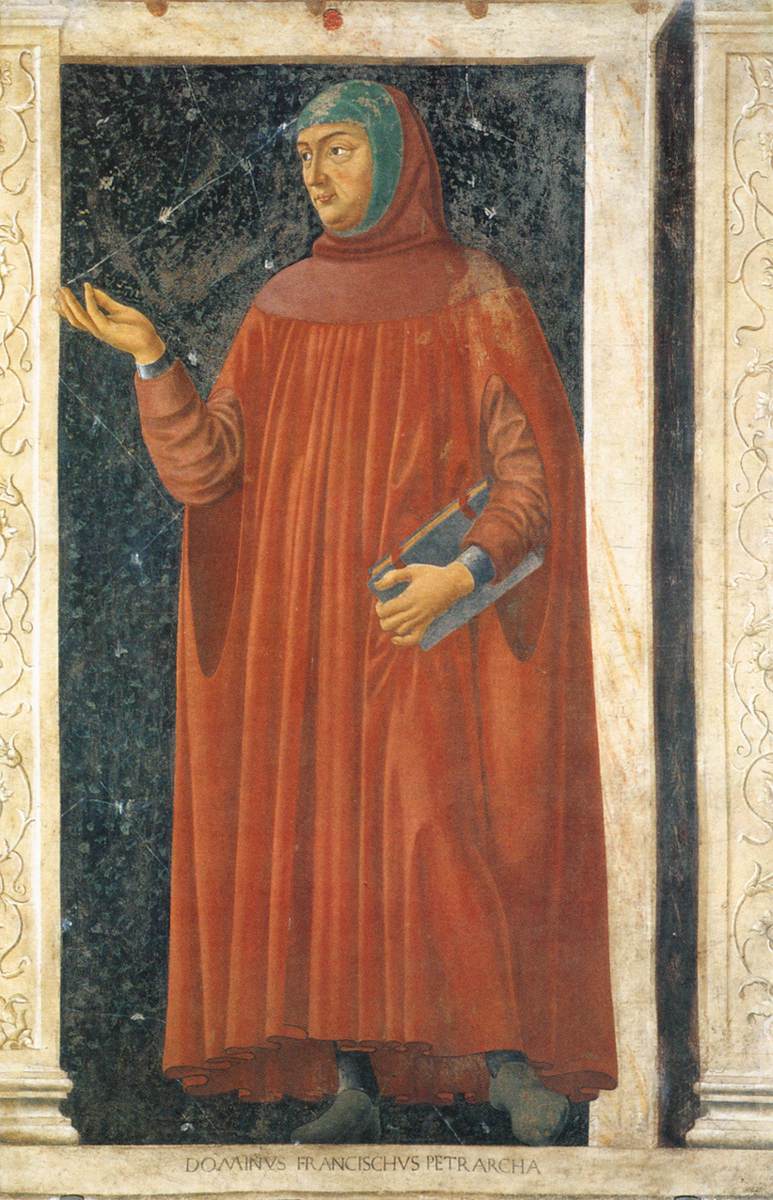
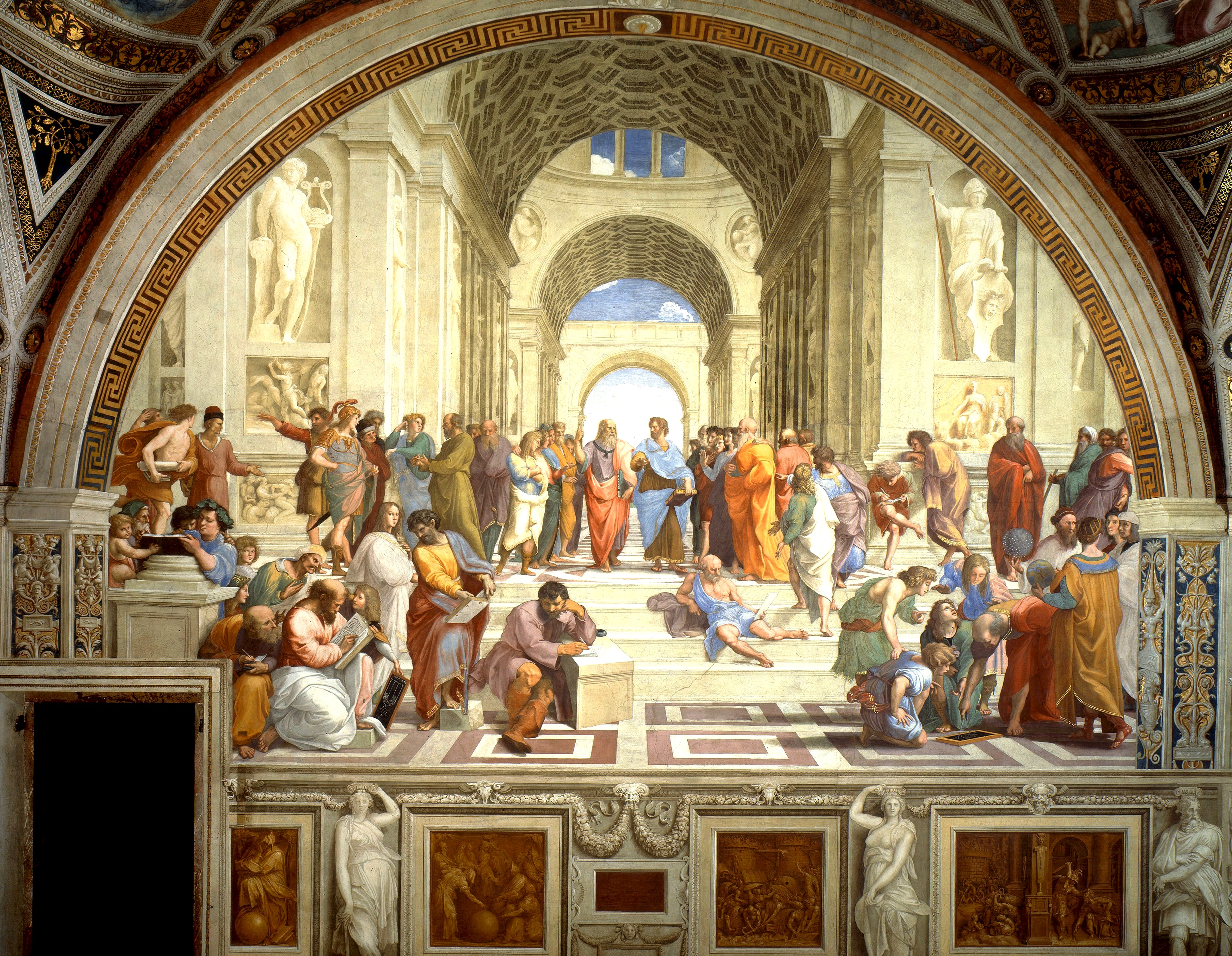
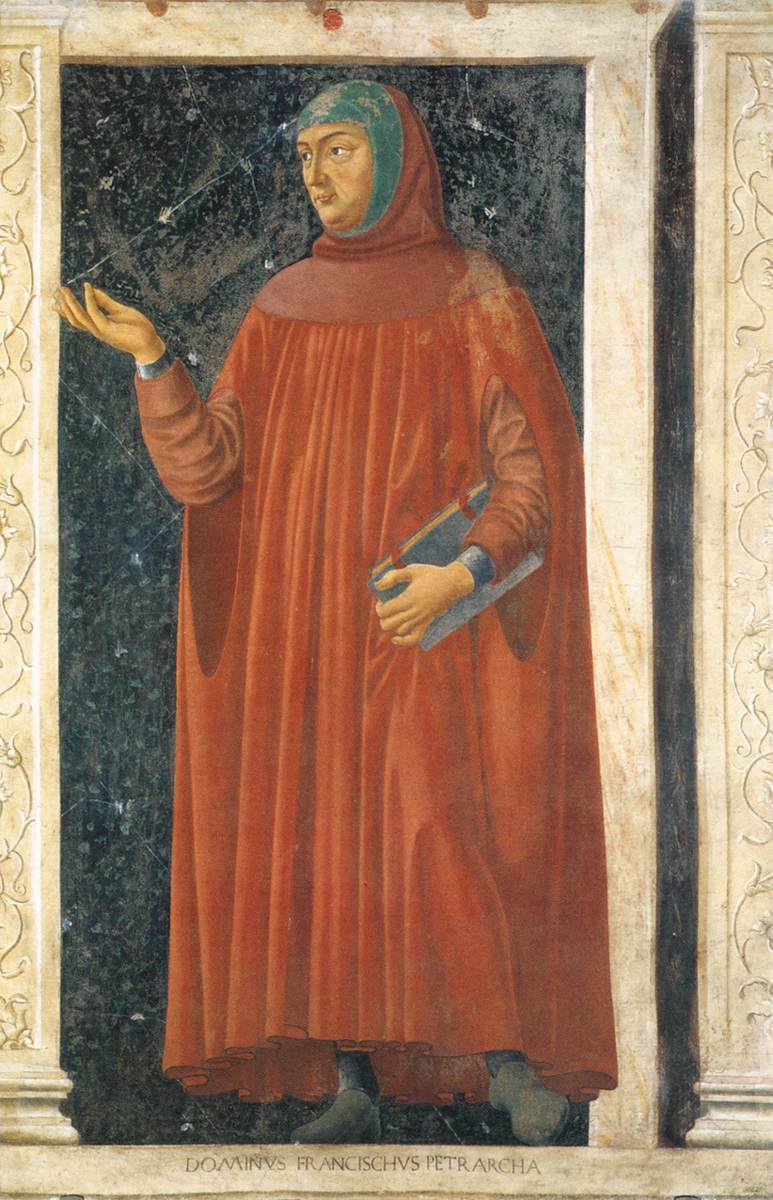
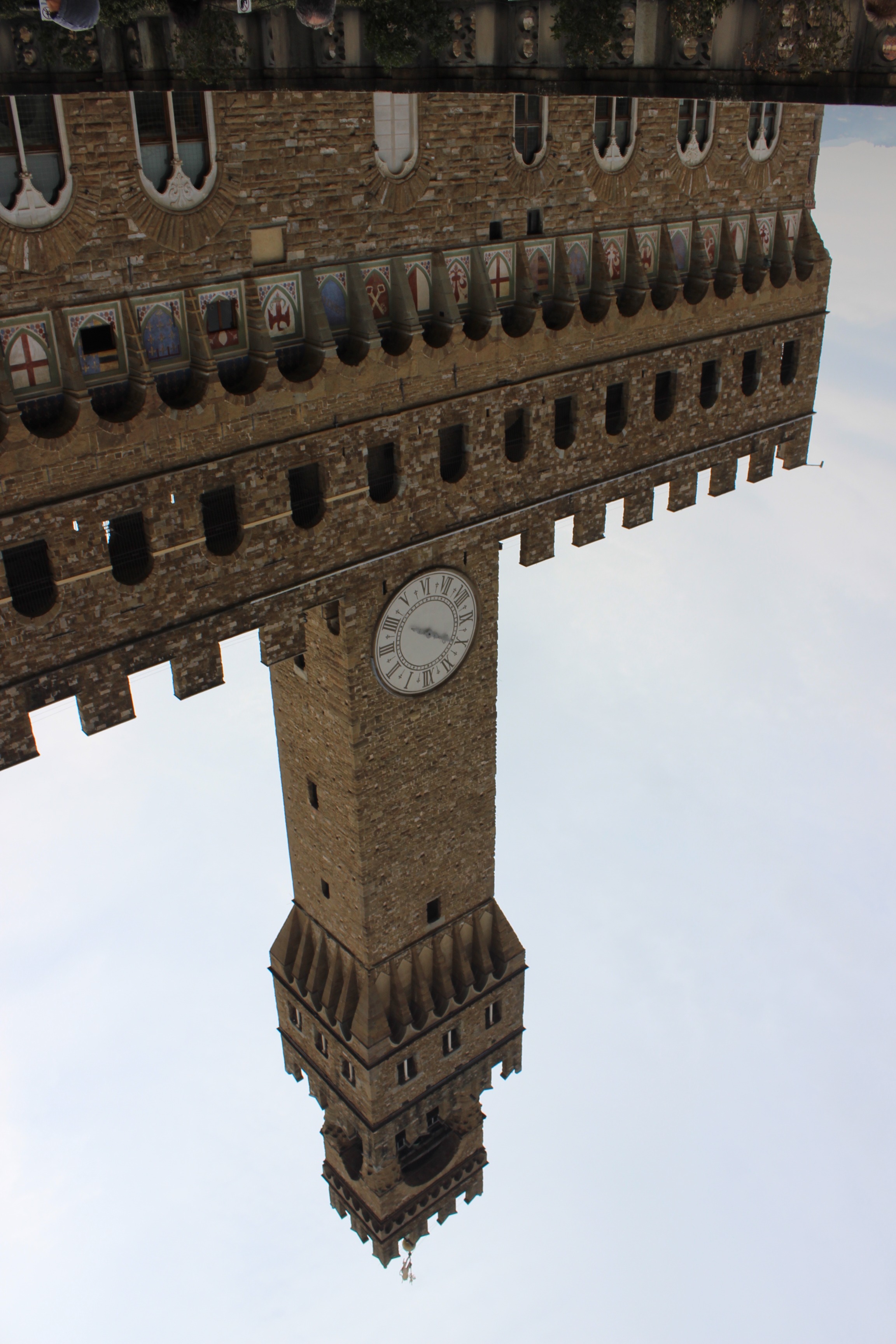
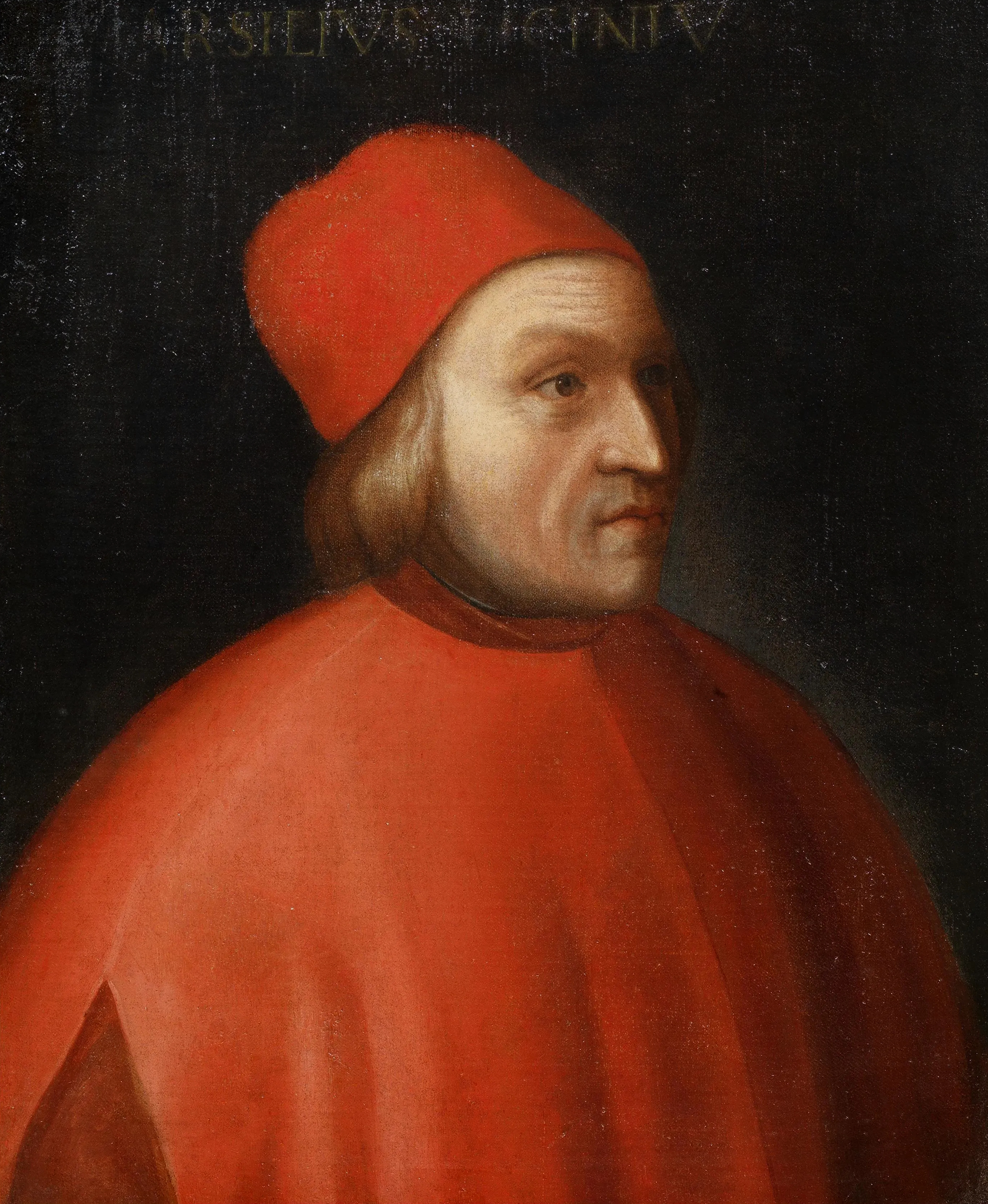
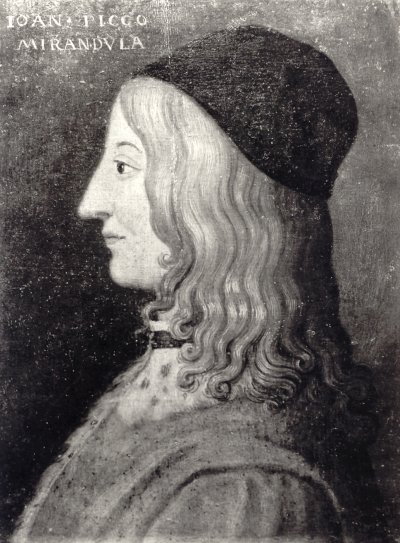
Humanism became the most important literary and intellectual movement of the Italian Renaissance. Humanists turned to the classical writings of Greece and Rome in search of models for language, ethics, education, and public life. Their work helped define the studia humanitatis and encouraged the idea that education should shape complete citizens capable of virtue and civic participation. In Florence, some thinkers linked classical learning directly to political responsibility through civic humanism.
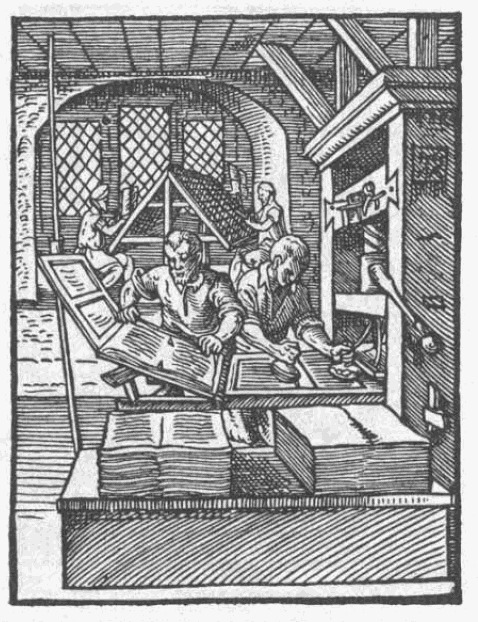
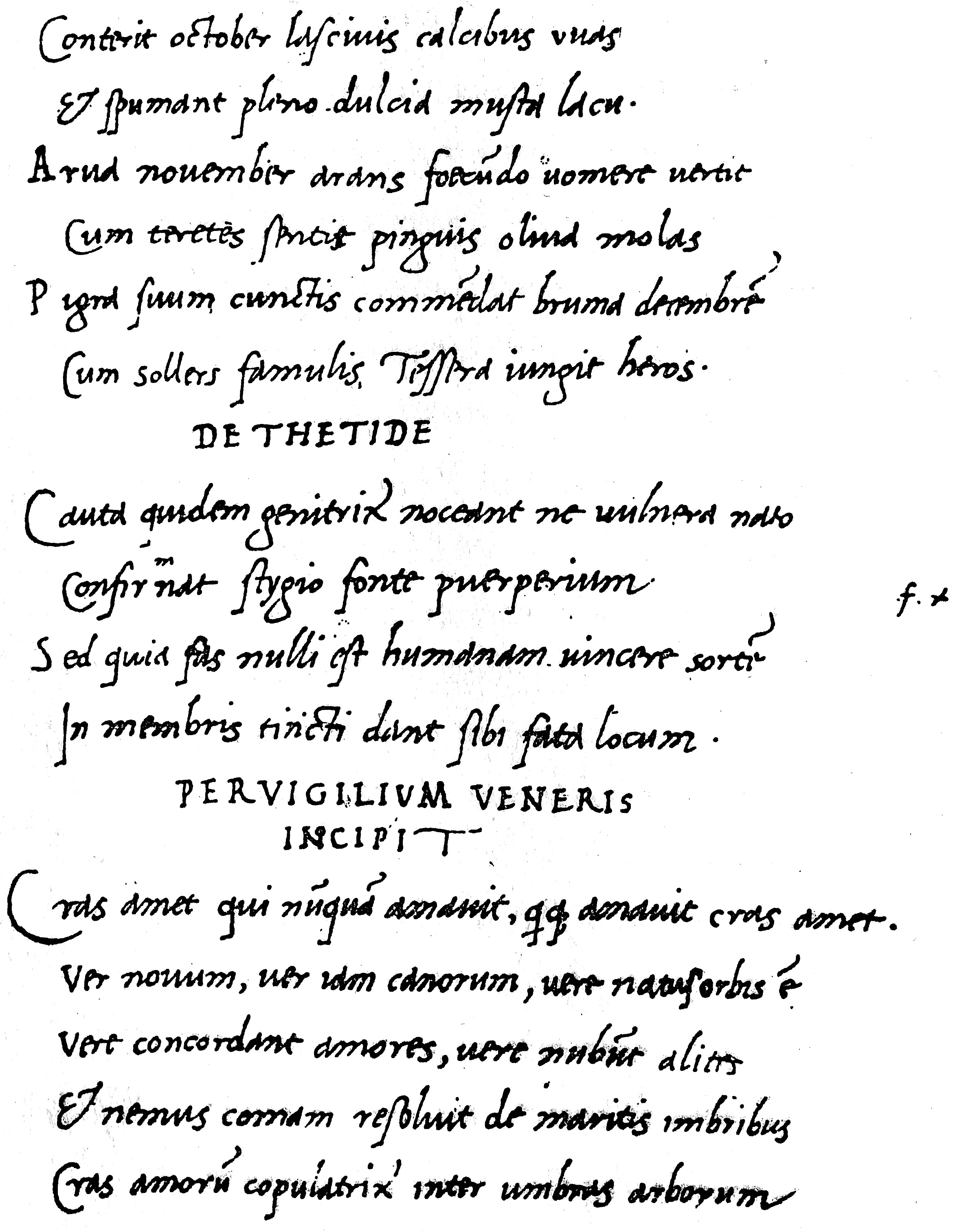
At the same time, scholars recovered Greek texts, refined the study of language, explored Platonic and Hermetic philosophy, and transformed the writing of history by emphasizing documentary evidence and human motives. The invention of printing then accelerated the spread of books and made this new intellectual culture more influential across Europe.