Unit 1 • Topic 5

Art and Artistic Ideals in the Renaissance

This topic explores how Renaissance artists pursued naturalism, perspective, classical balance, and ideal beauty while also revealing major differences between Italian and northern European artistic traditions.

Estimated study time: 15–20 minutes
Mode: Learn and review
Unit progress: 5 of 12 topics
Renaissance painting showing naturalism and human-centered composition
Renaissance artists sought to imitate nature convincingly while placing human beings at the center of artistic attention.

Essential question

What were the chief characteristics of Renaissance art, and how did it differ in Italy and northern Europe?

Renaissance art grew out of a new determination to imitate nature and to represent the human world with realism, proportion, and expressive force. In Italy, artists developed mathematical perspective, studied anatomy, revived classical forms, and increasingly idealized the human body as an expression of beauty and dignity. These developments can be seen from the Early Renaissance experiments of Masaccio, Donatello, and Brunelleschi to the great achievements of Leonardo, Raphael, and Michelangelo during the High Renaissance.

In northern Europe, artists also pursued realism, but they did so through close observation, intricate detail, oil painting, and emotionally intense devotional imagery. Together, these traditions reveal both the shared ideals and the regional diversity of Renaissance culture.
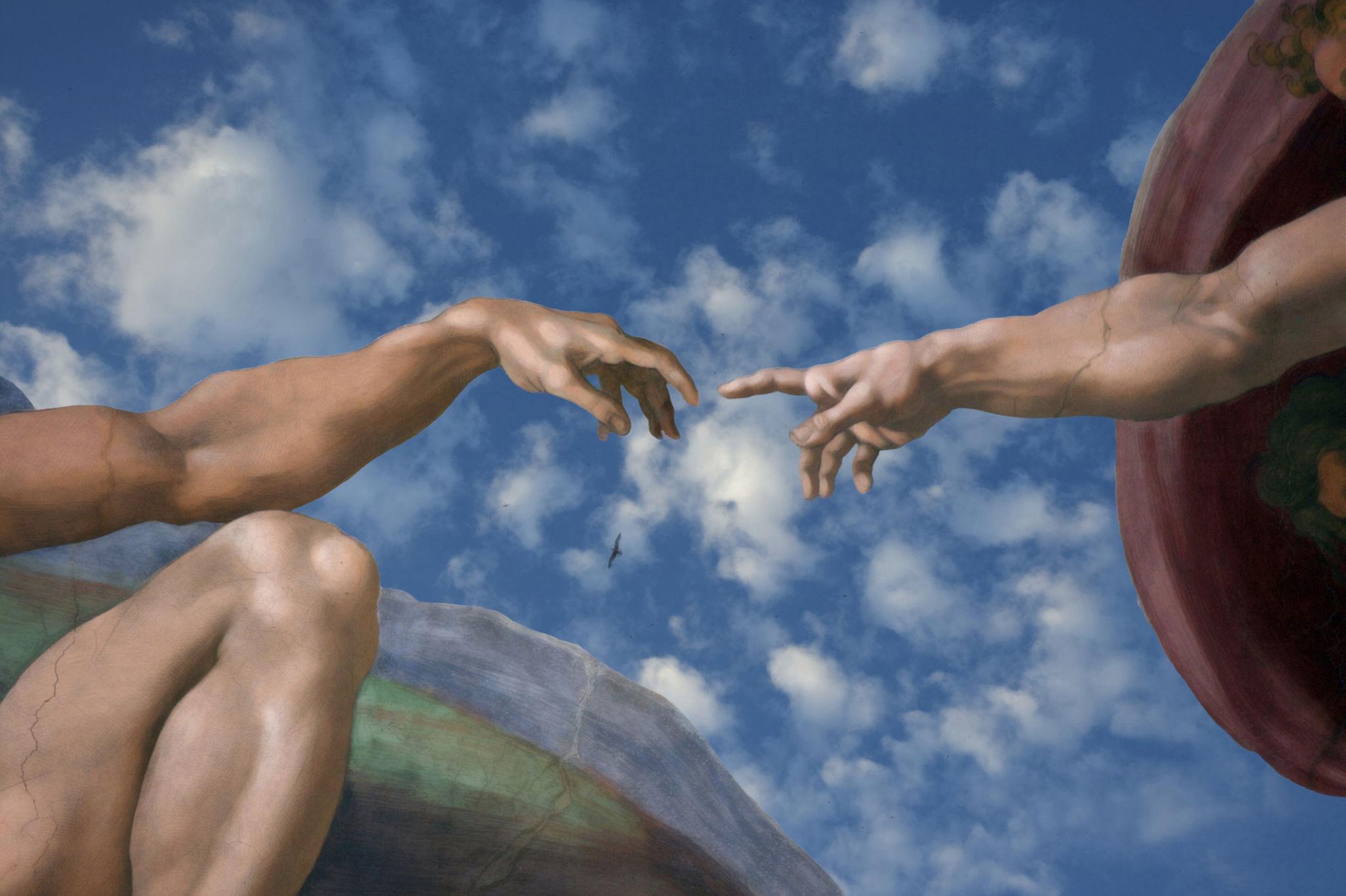
High Renaissance visual example
The High Renaissance brought together technical mastery, idealized beauty, and a new confidence in artistic genius.

Interactive concept explorer

Open each section to build the full picture

1. Renaissance artists made the imitation of nature a central goal

Renaissance artists believed that great painting and sculpture should be grounded in nature. Their aim was to persuade viewers of the reality of the object or event being portrayed. This drive toward naturalism reflected a broader intellectual change as well: human beings increasingly became the focus of artistic attention and were treated as the measure of the visible world.

Example of naturalistic Renaissance painting
Naturalism meant making painted and sculpted forms appear believable, substantial, and tied to the real world.
2. Early Renaissance artists in Florence developed a new realistic style

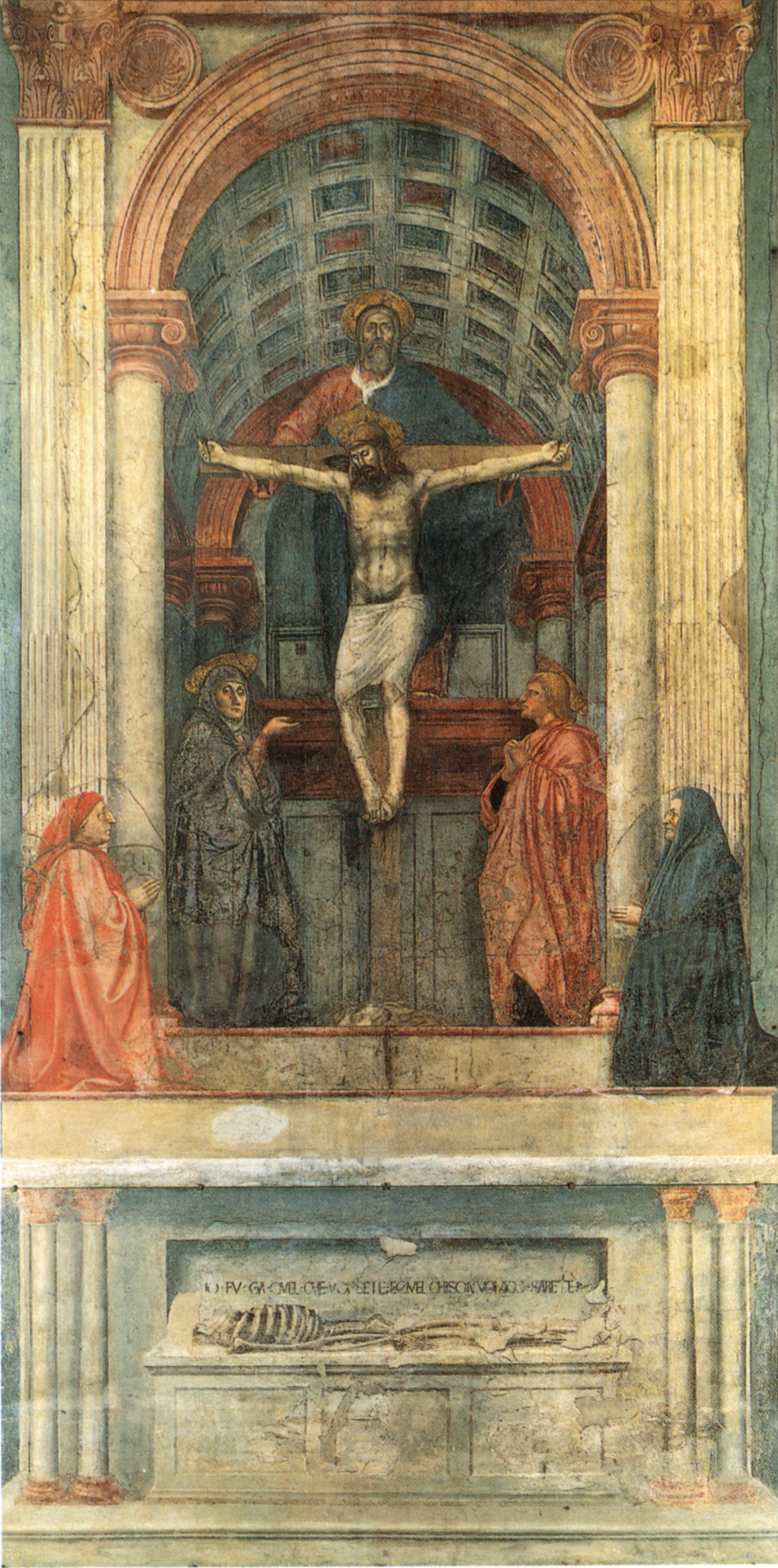
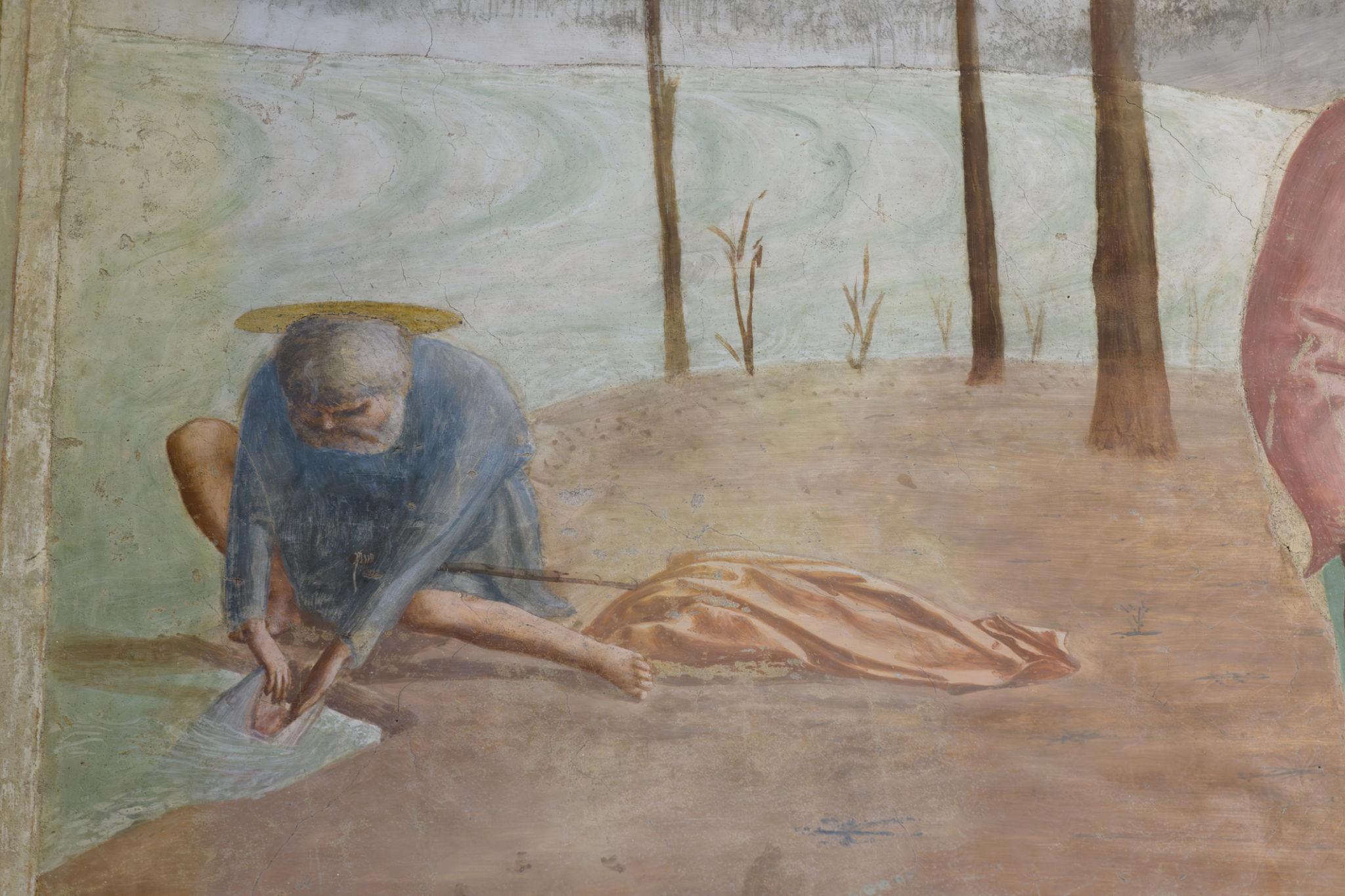
Masaccio's frescoes in the Brancacci Chapel are often treated as a breakthrough in Early Renaissance painting. His monumental figures, convincing spatial organization, and use of perspective made painted scenes appear like extensions of the viewer's own world. His work gave later Florentine artists a model for creating three-dimensional human figures and more realistic environments.

Masaccio-style Renaissance fresco
Masaccio helped establish a new style in which figures, setting, and perspective formed a coherent and believable whole.
3. Perspective, anatomy, and movement became areas of artistic experimentation

Florentine painters in the fifteenth century explored different technical challenges. Some focused on the mathematical side of painting, especially the laws of perspective and the organization of space and light. Others investigated movement and anatomy, attempting to represent the human body in action and under physical strain. The result was a period of experimentation and technical mastery that laid the foundation for later artistic achievements.

4. Classical antiquity shaped both subject matter and artistic form

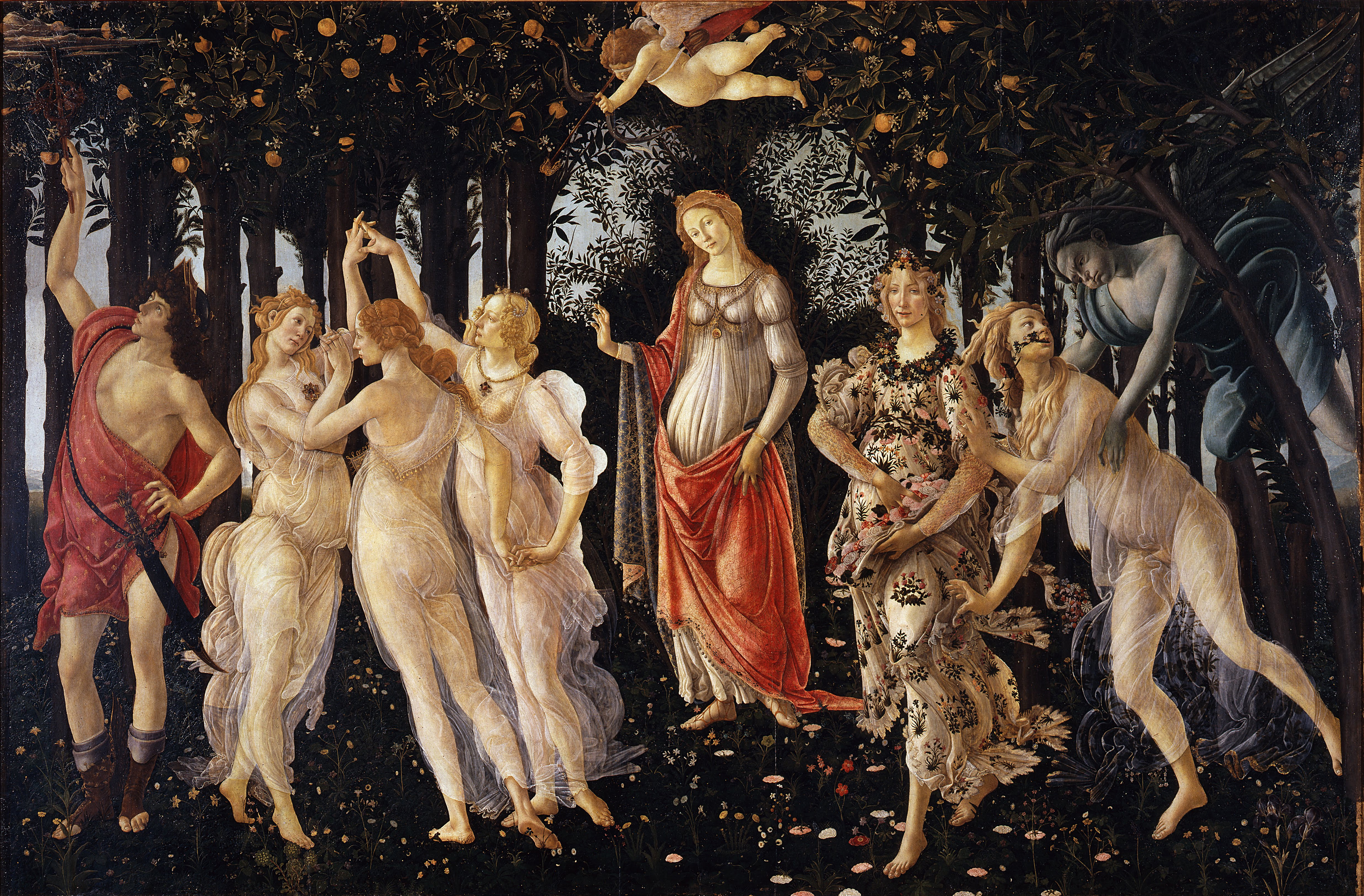
Renaissance artists looked back to Greece and Rome for both inspiration and authority. This influence appeared in mythological scenes, freestanding nude sculpture, and architecture based on classical columns and arches. Botticelli's Primavera, Donatello's David, and Brunelleschi's architecture all reveal different ways the classical past shaped Renaissance artistic culture.

Classical influence in Renaissance art
Classical models encouraged artists to explore myth, ideal proportion, and the dignity of the human figure.
5. Renaissance architecture became more human-centered

Brunelleschi's work showed how architecture could embody Renaissance values. His dome for Florence Cathedral demonstrated remarkable technical innovation, while San Lorenzo used classical columns, rounded arches, and proportional harmony to create an interior designed around human rather than overwhelming divine scale. Renaissance architecture thus reflected the same human-centered outlook found in painting and sculpture.

6. The High Renaissance emphasized ideal beauty, harmony, and psychological depth

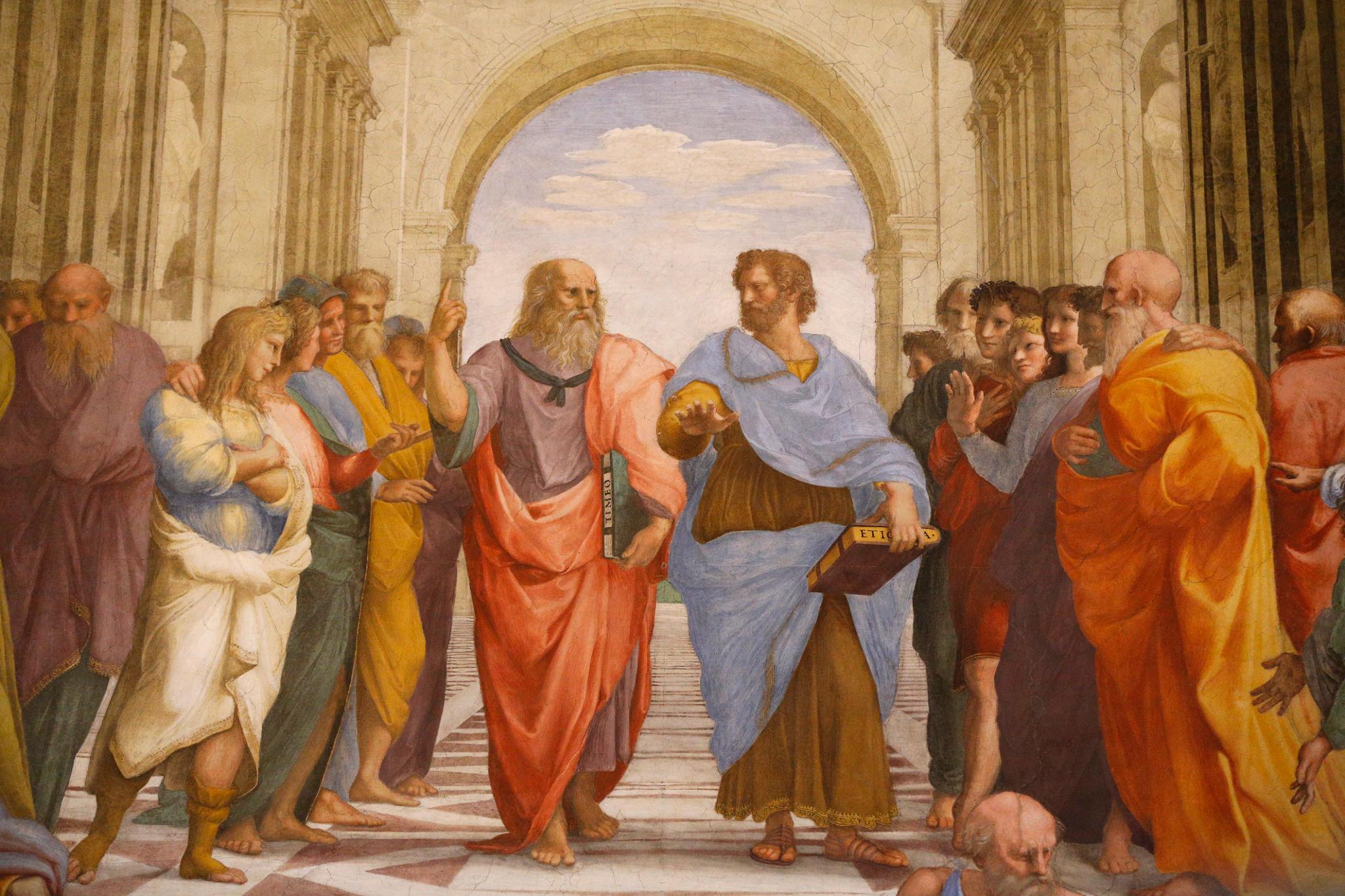
By the late fifteenth century, many artists had mastered the techniques of realism and were ready to move beyond technical experimentation. The High Renaissance, centered especially in Rome, brought together balance, order, idealized beauty, and more complex emotional and psychological expression. This period is most closely associated with Leonardo, Raphael, and Michelangelo.

Balanced High Renaissance composition
High Renaissance art built on realism but sought a more perfect, harmonious, and ideal visual order.
7. Leonardo, Raphael, and Michelangelo each defined High Renaissance art differently

Leonardo combined close observation of nature with idealization and tried to reveal inner life through gesture and expression. Raphael became famous for balance, harmony, and ideal beauty, as seen in School of Athens. Michelangelo emphasized the power and beauty of the human body, often connecting physical perfection to spiritual or divine significance through Neoplatonic influence.

8. Artists gained new social status during the Renaissance

In the Early Renaissance, artists were still treated largely as skilled artisans working through guild structures and dependent on patrons. By the High Renaissance, however, major artists were increasingly regarded as creative geniuses rather than mere craftspeople. Figures such as Michelangelo, Leonardo, and Raphael were admired for originality and intellectual power, helping establish the modern idea of the artist as an exceptional individual.

9. Northern artists pursued realism through detail, oil paint, and devotion

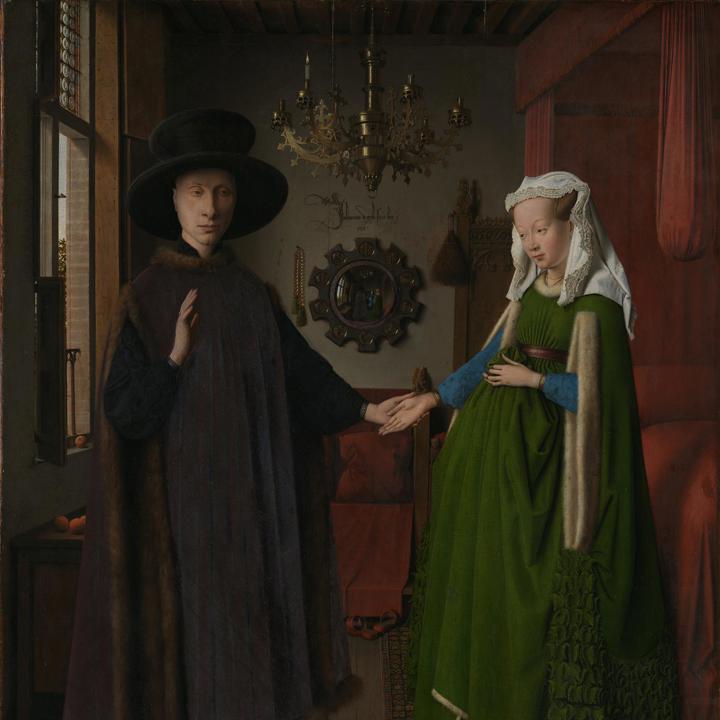
Northern Renaissance painters, especially in Flanders, approached realism differently from Italians. Rather than focusing primarily on monumental human forms and mathematical perspective, they worked through detailed observation and close rendering of surfaces, objects, and interiors. Jan van Eyck's use of oil paint allowed for a remarkable range of color and fine detail, while many northern works also conveyed intense devotional feeling.

Detailed Northern Renaissance painting
Northern painters created realism through minute detail, careful observation, and new possibilities offered by oil paint.
10. Northern and Italian traditions increasingly influenced one another

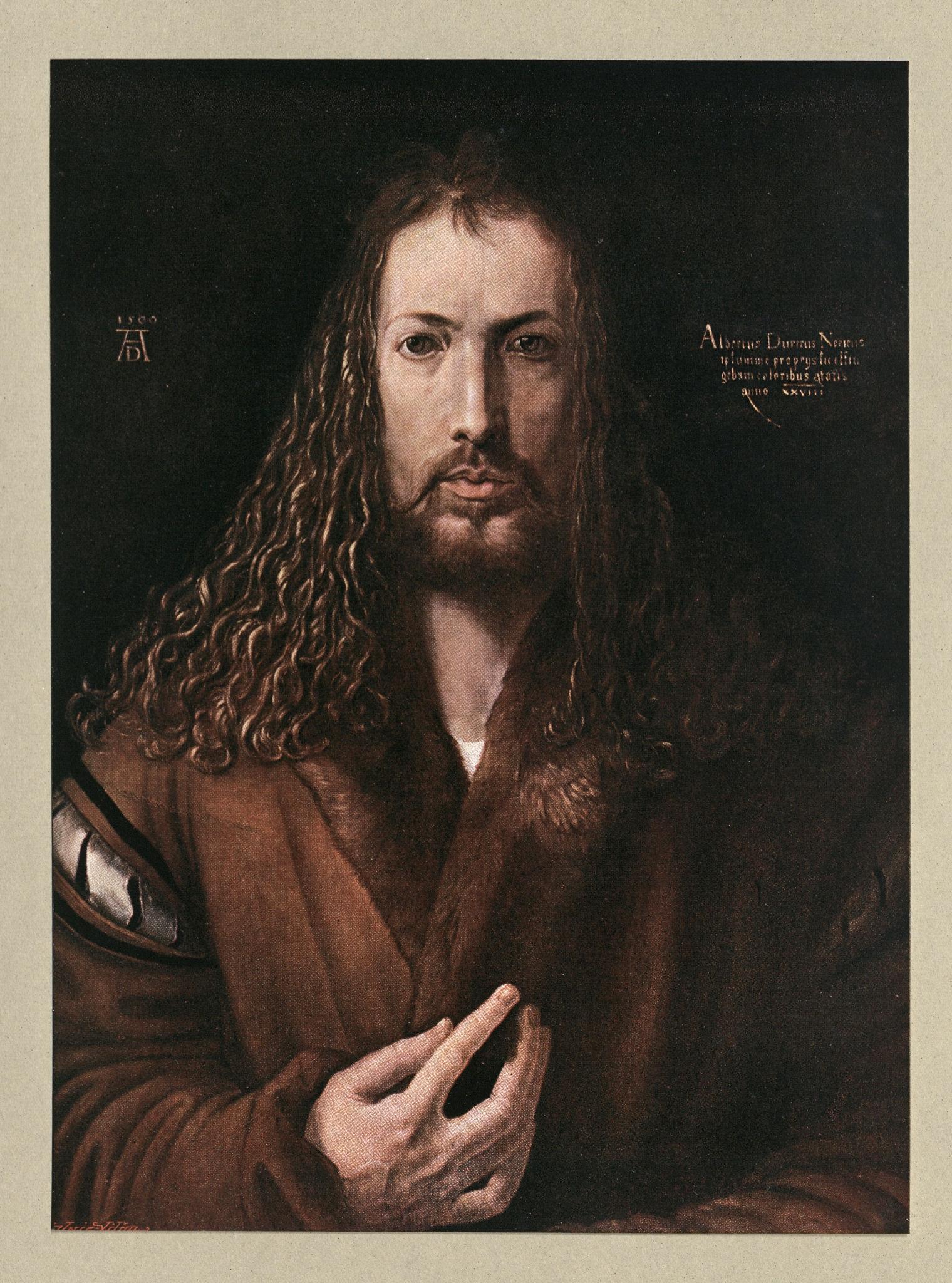
By the end of the fifteenth century, some northern artists traveled to Italy and studied its artistic methods. Albrecht Dürer absorbed Italian perspective and proportion while preserving the northern commitment to detail. His career shows that Renaissance art was not static or regionally isolated. Instead, artistic traditions developed through exchange as well as contrast.

Albrecht Durer style image
Dürer combined Italian theories of proportion with northern precision and detail.

Key concept cards

Click to review vocabulary

Knowledge check

Check the major developments

Flashcards

Topic 5 review deck

Advanced Practice

Apply what you reviewed

Return to the essential question

What were the chief characteristics of Renaissance art, and how did it differ in Italy and northern Europe?

Renaissance art was defined by naturalism, close study of the human body, revived classical influence, and the growing use of perspective and proportion to create convincing space and form. In Italy, artists emphasized the human figure, monumental composition, and increasingly idealized beauty, especially during the High Renaissance. In northern Europe, artists pursued realism through detailed observation, oil painting, and devotional intensity. Together, these traditions reveal both the common goals and regional diversity of Renaissance artistic culture.