Essential question
What forces pushed European societies toward overseas exploration and expansion?
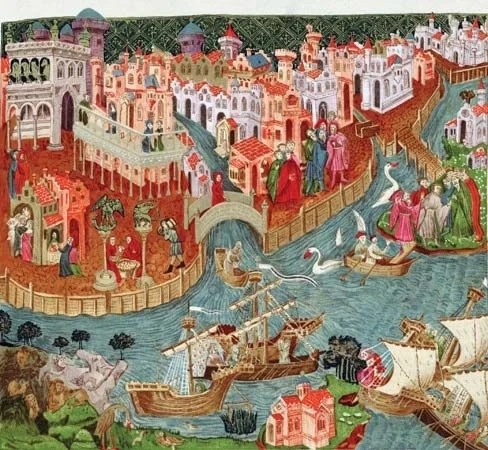
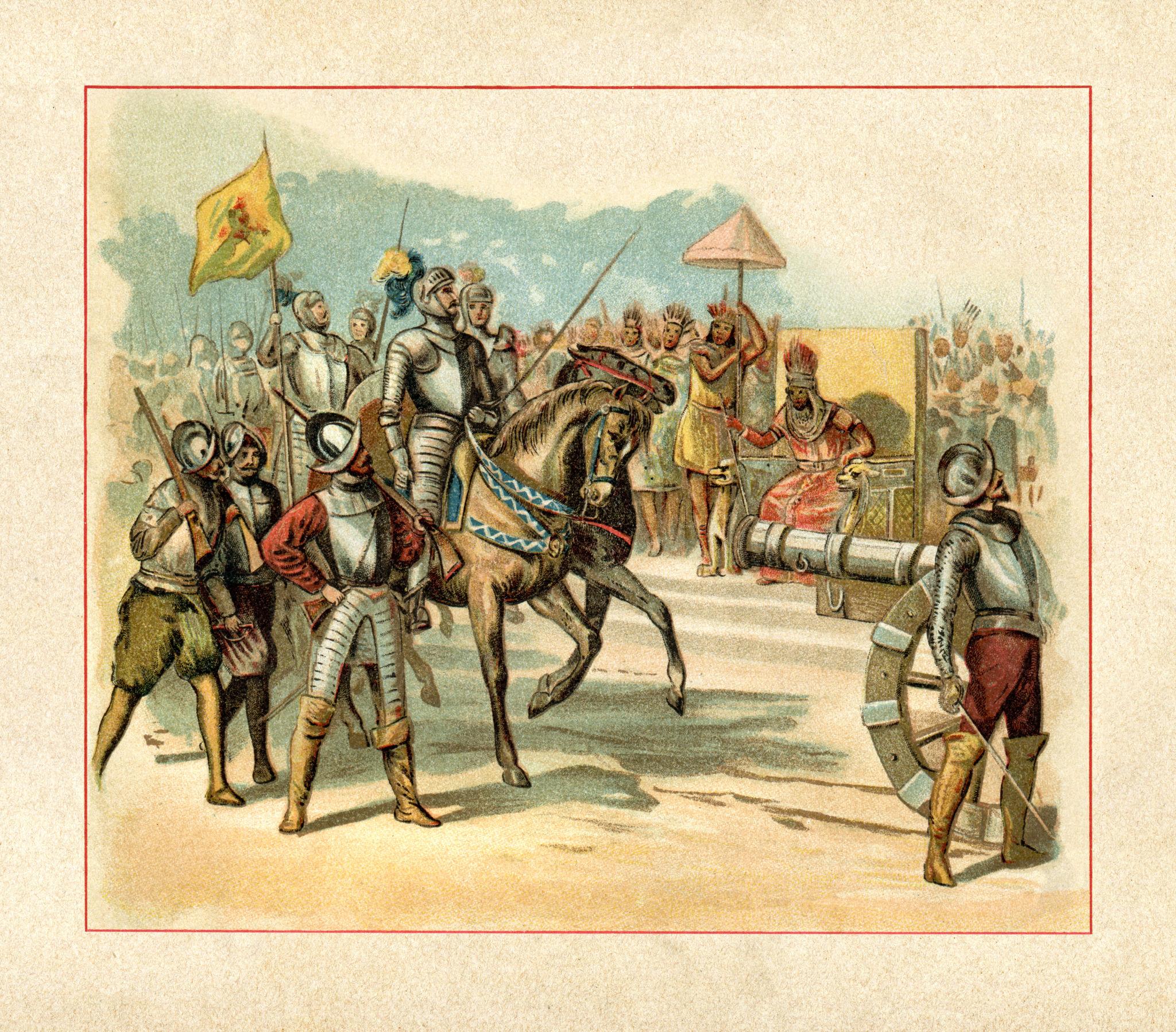
By the end of the fifteenth century, European societies began to push beyond the geographic and intellectual boundaries that had defined the medieval world. For centuries, Europe had maintained limited contact with Asia and Africa through trade networks and occasional travelers, but sustained exploration across oceans had not yet taken shape. That changed as new economic ambitions, religious motivations, political competition, and technological advances converged.
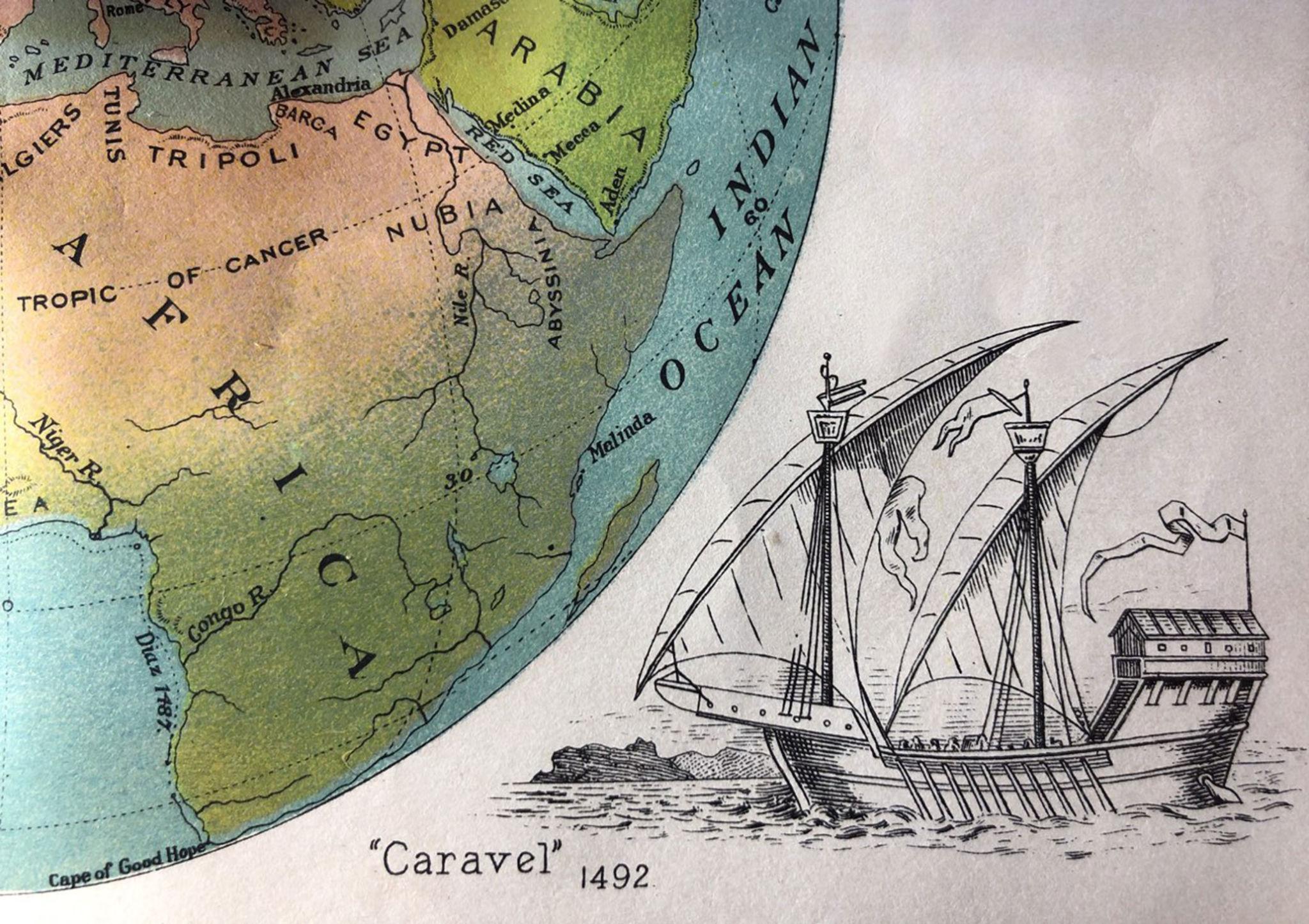
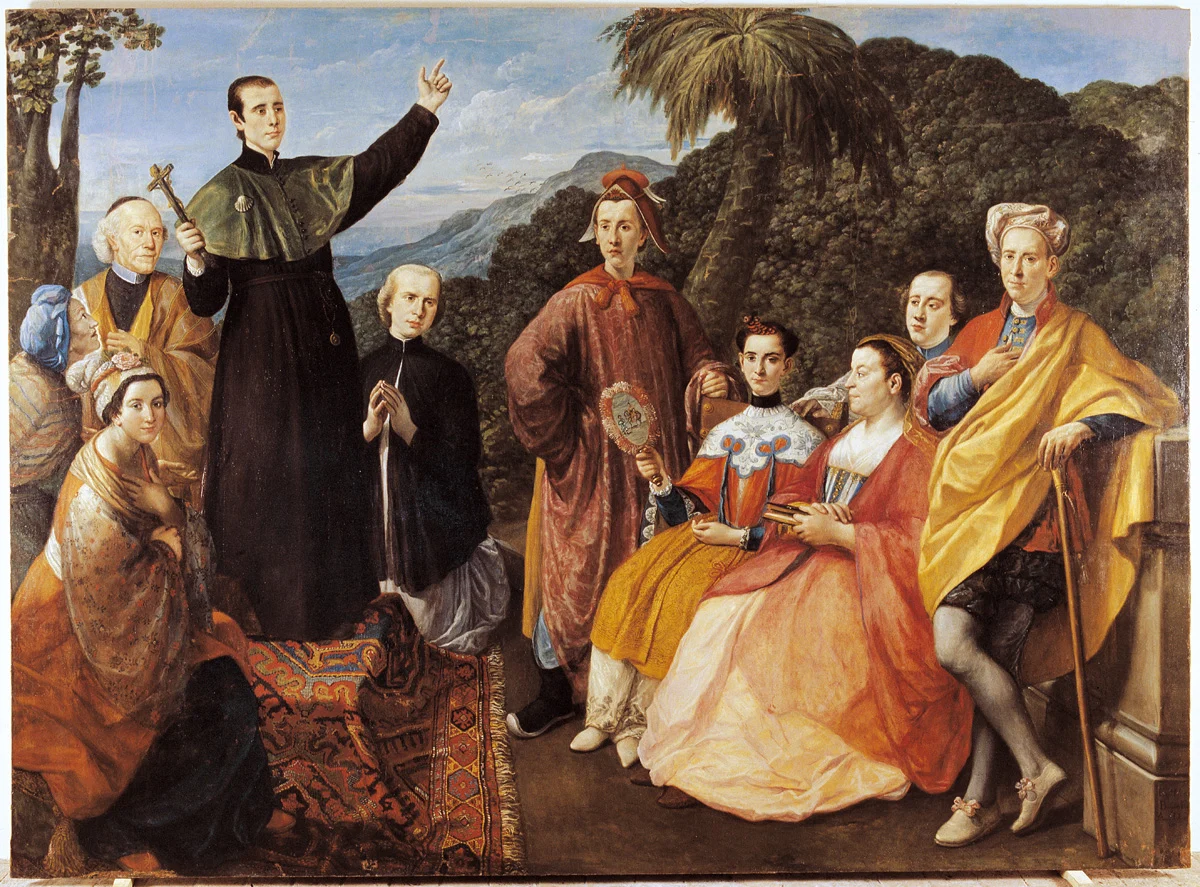
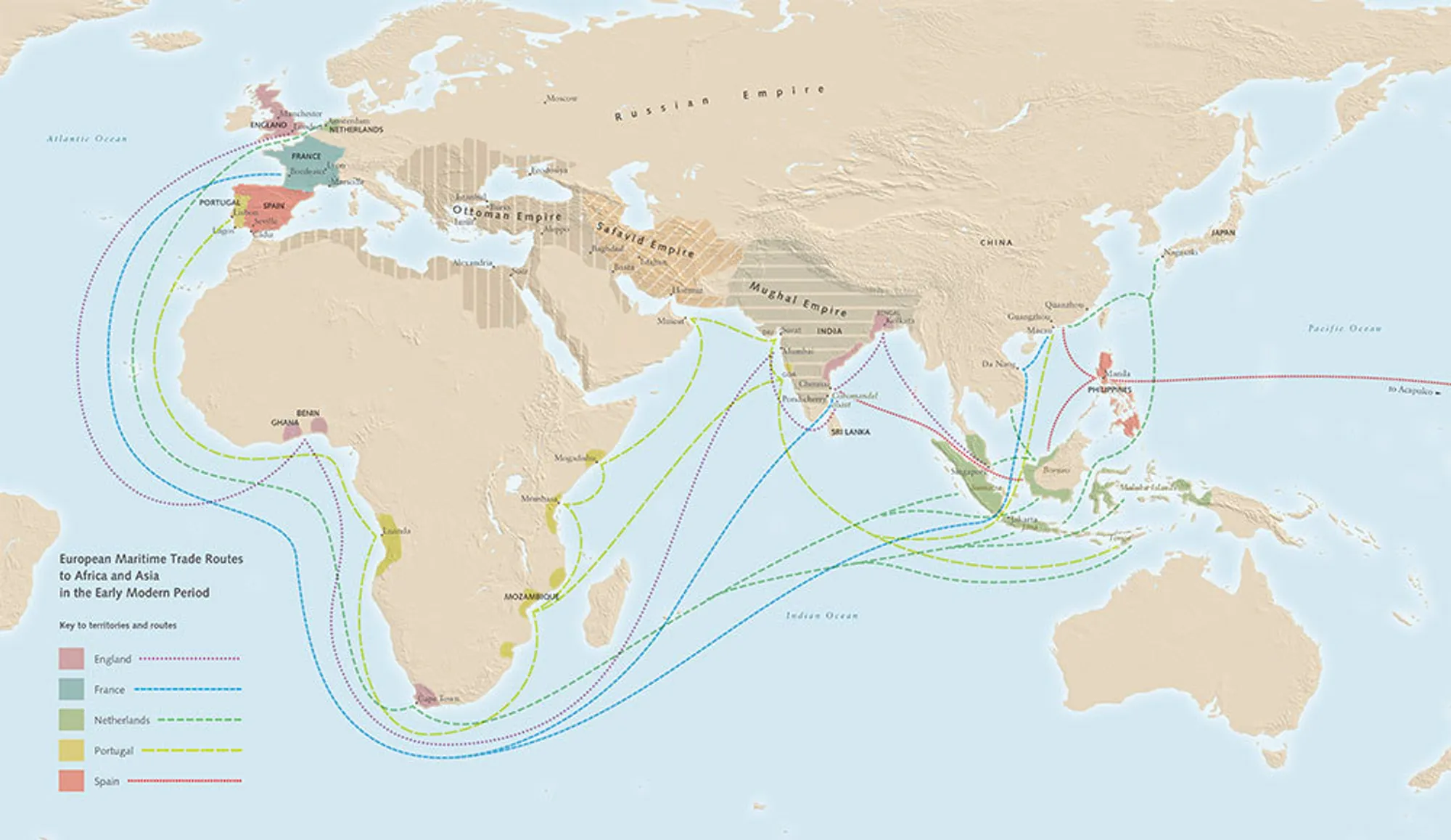
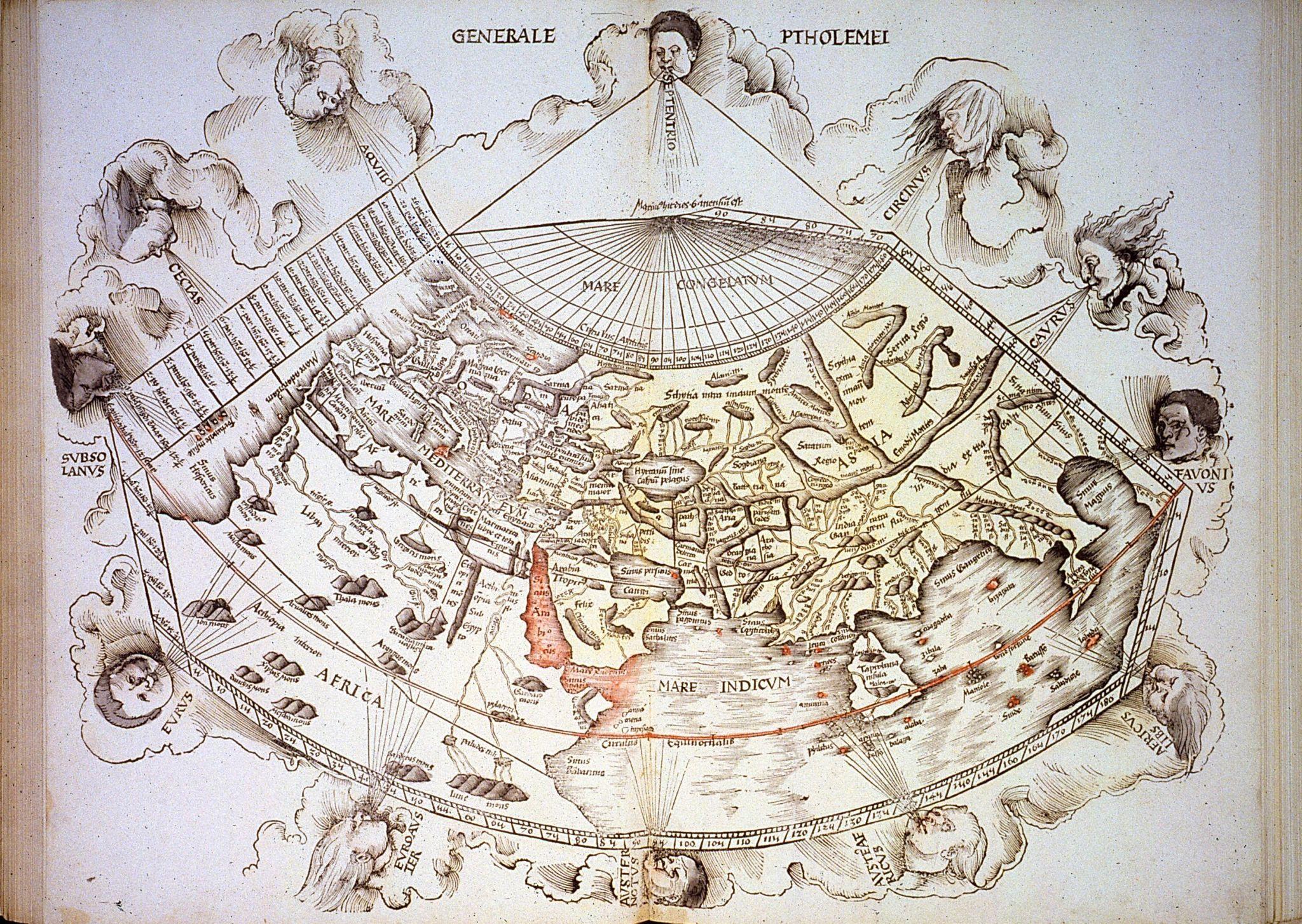
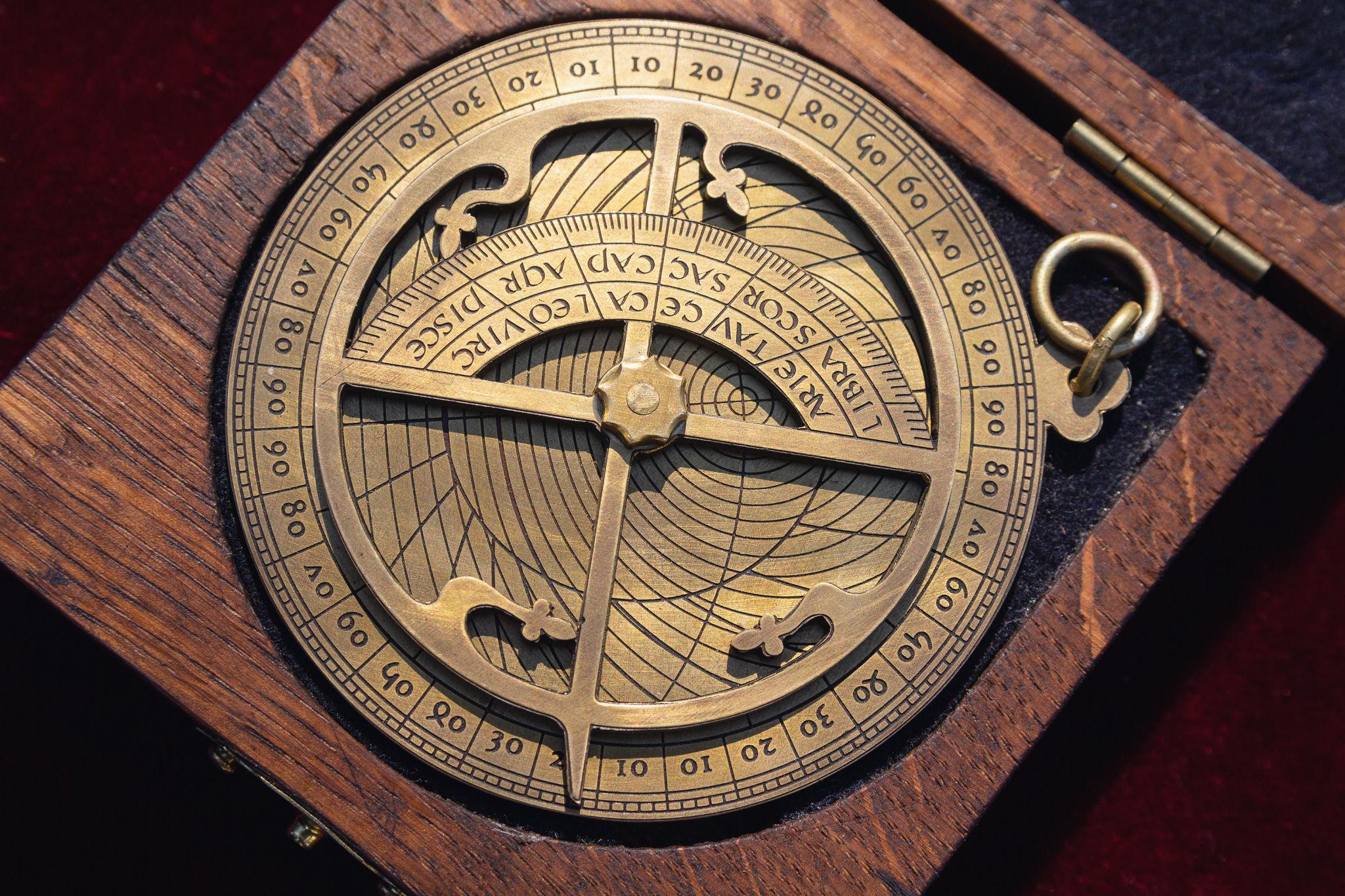
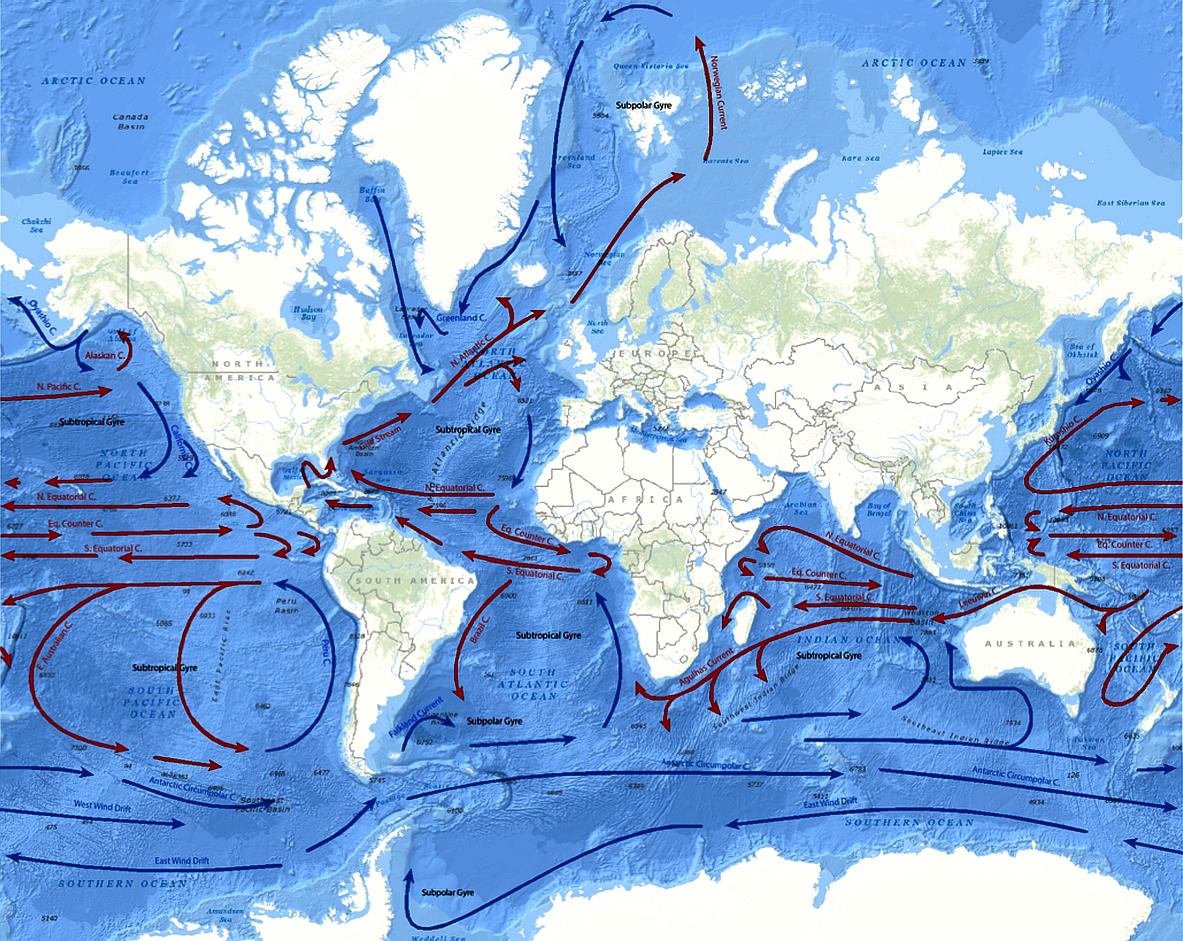
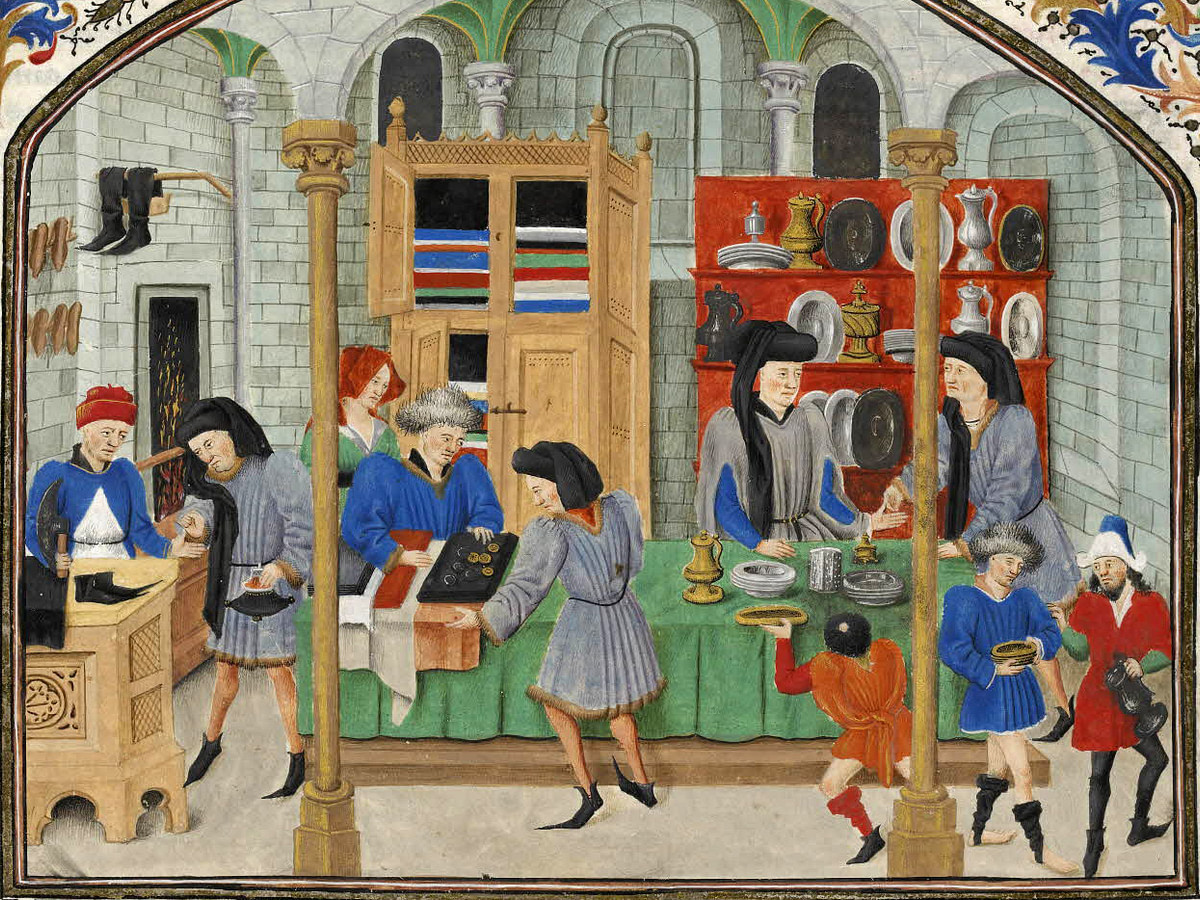
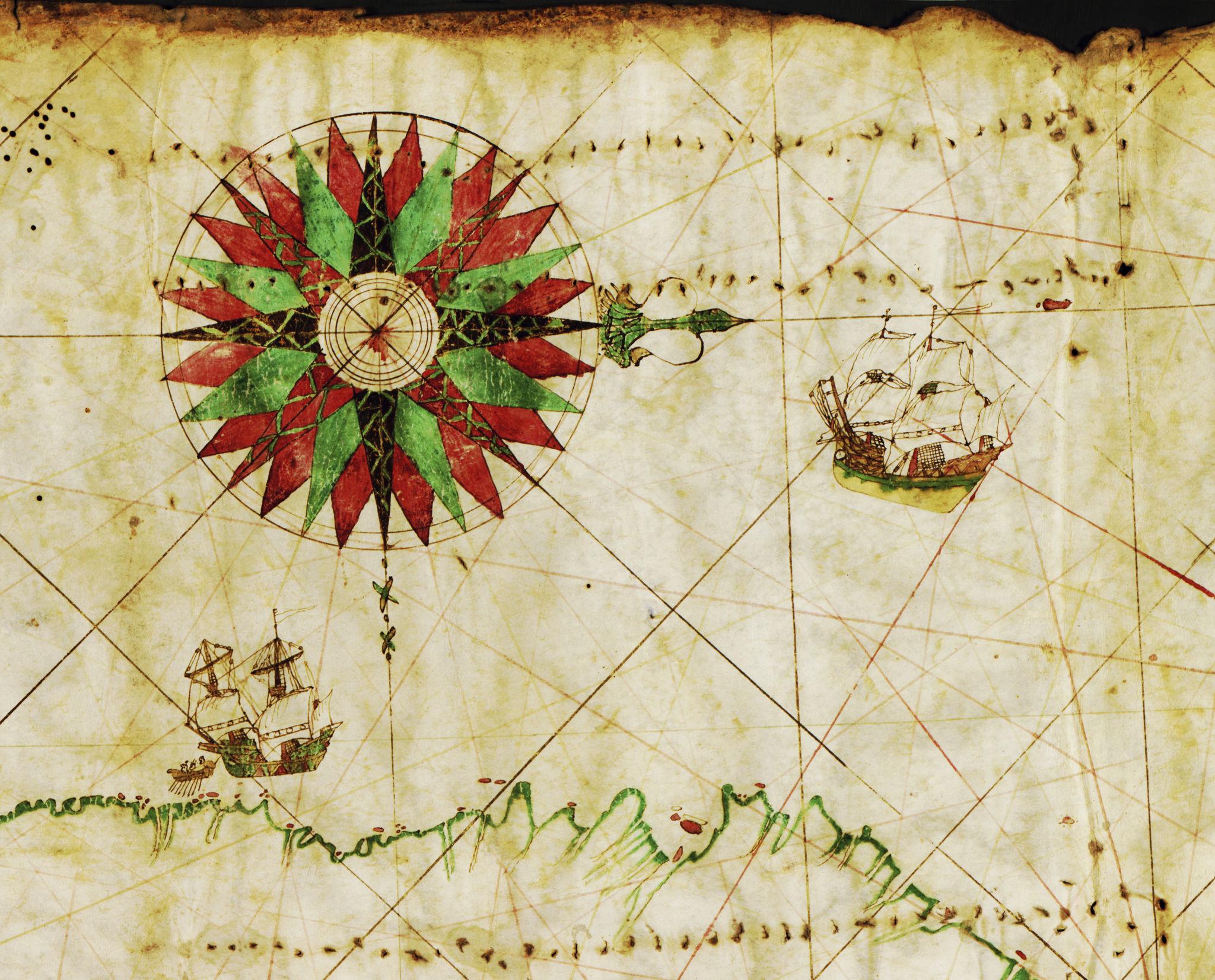
European rulers and merchants sought direct access to the wealth of Asia, especially spices and luxury goods that had long reached Europe through costly and indirect routes. At the same time, religious leaders and explorers viewed expansion as an opportunity to spread Christianity. Stronger centralized monarchies were increasingly capable of funding and organizing large-scale voyages, while improvements in shipbuilding, navigation, and mapmaking made long-distance travel more feasible than ever before.
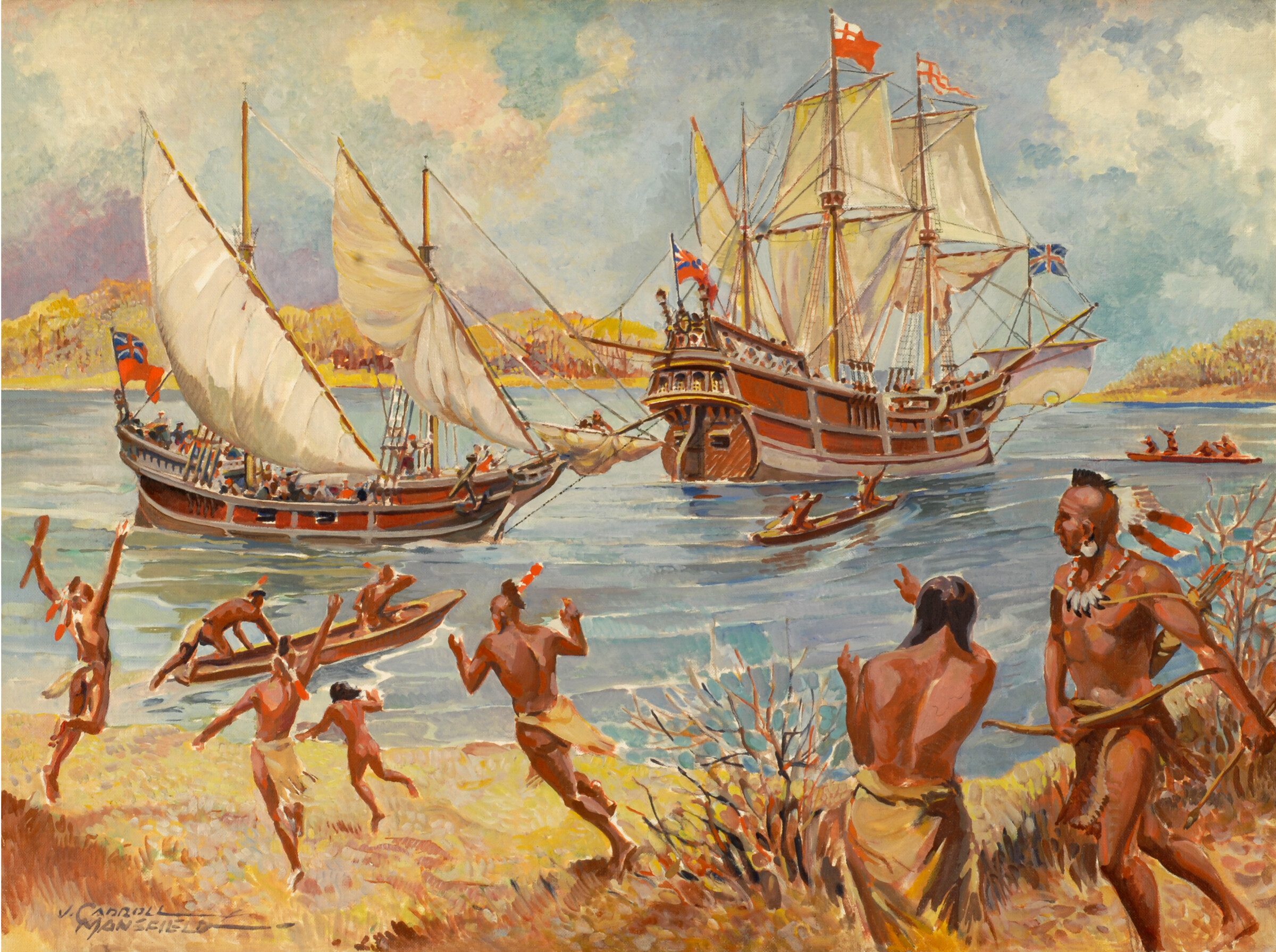
Together, these forces launched a new era of exploration that would connect Europe more directly with Africa, Asia, and the Americas. What began as a search for trade routes quickly became a global process that reshaped economies, cultures, and power structures across the world.