Portugal and Spain led the first major wave of European overseas expansion, but they built very different kinds of empires. Portugal created a maritime trading network that stretched along the coasts of Africa and Asia, while Spain developed a territorial empire in the Americas through conquest, colonization, and labor exploitation. Together, these empires reshaped trade, power, and global connections in the early modern world.
Estimated study time: 14–18 minutes
Mode: Learn and review
Unit progress: 9 of 12 topics
Portugal and Spain pioneered different imperial models, one centered on maritime trade and the other on conquest and colonial rule.
Essential question
How did Portugal and Spain build overseas empires, and why did those empires develop in different ways?
Portugal and Spain were the first European powers to build large overseas empires, but they followed different paths. Portugal focused on trade, navigation, and the control of strategic port cities. Rather than conquering vast inland territories, Portuguese leaders aimed to dominate key commercial routes linking Europe, Africa, India, and Southeast Asia.
Spain, by contrast, expanded westward across the Atlantic and created a far larger territorial empire in the Americas. Spanish explorers and conquistadors overthrew major Indigenous civilizations, established colonial governments, and built systems that extracted labor and wealth from conquered populations. Disease, military technology, political alliances, and royal authority all played major roles in this process.
These two empires reveal that European expansion was not a single uniform process. It could take the form of commercial domination through fortified trading posts, or direct territorial conquest supported by administrative and religious institutions. Both models helped launch a new era of global exchange and imperial competition.
Iberian empires opened new global routes and created different models of overseas power.
Visual overview
Two paths to empire
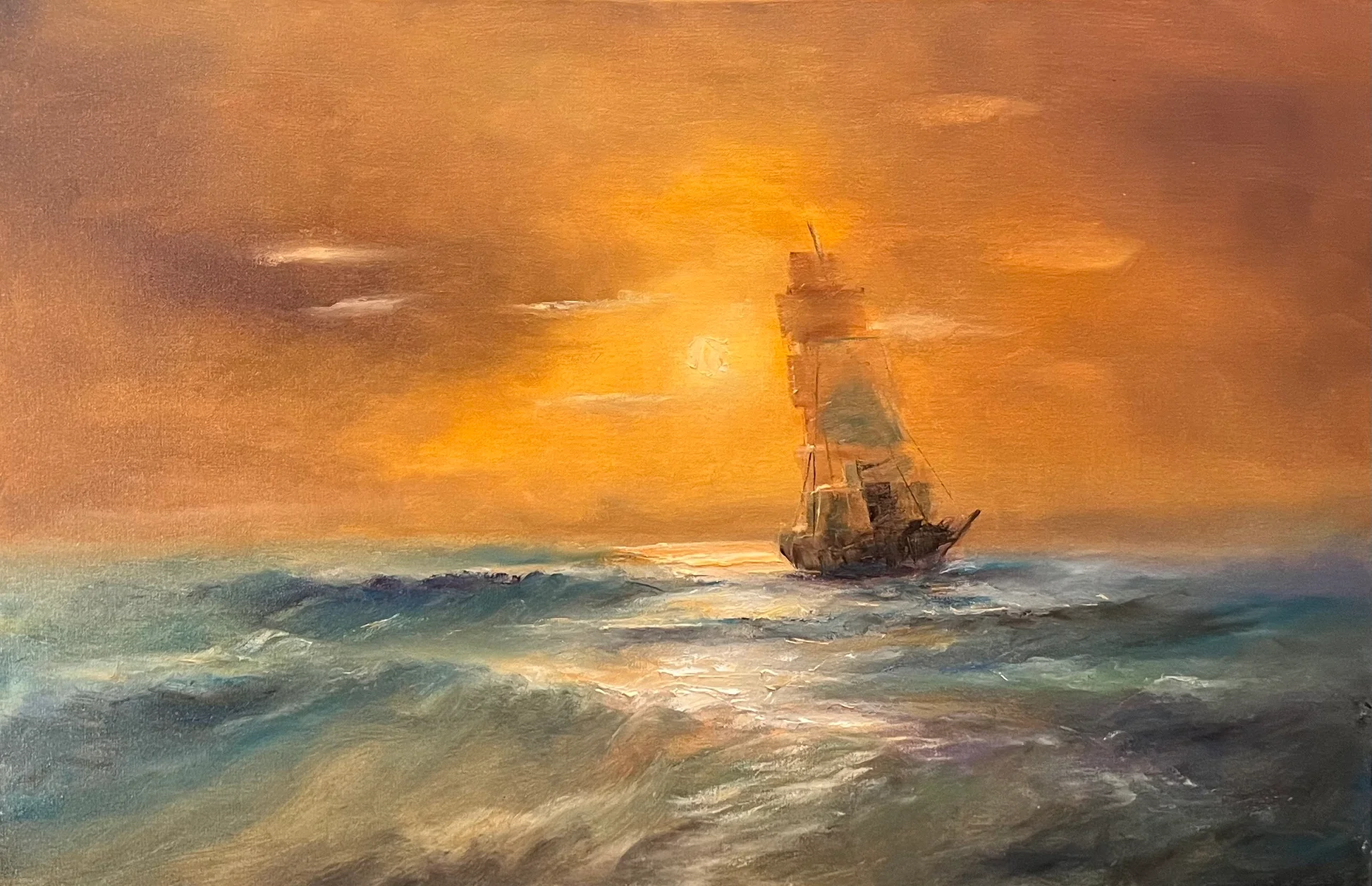
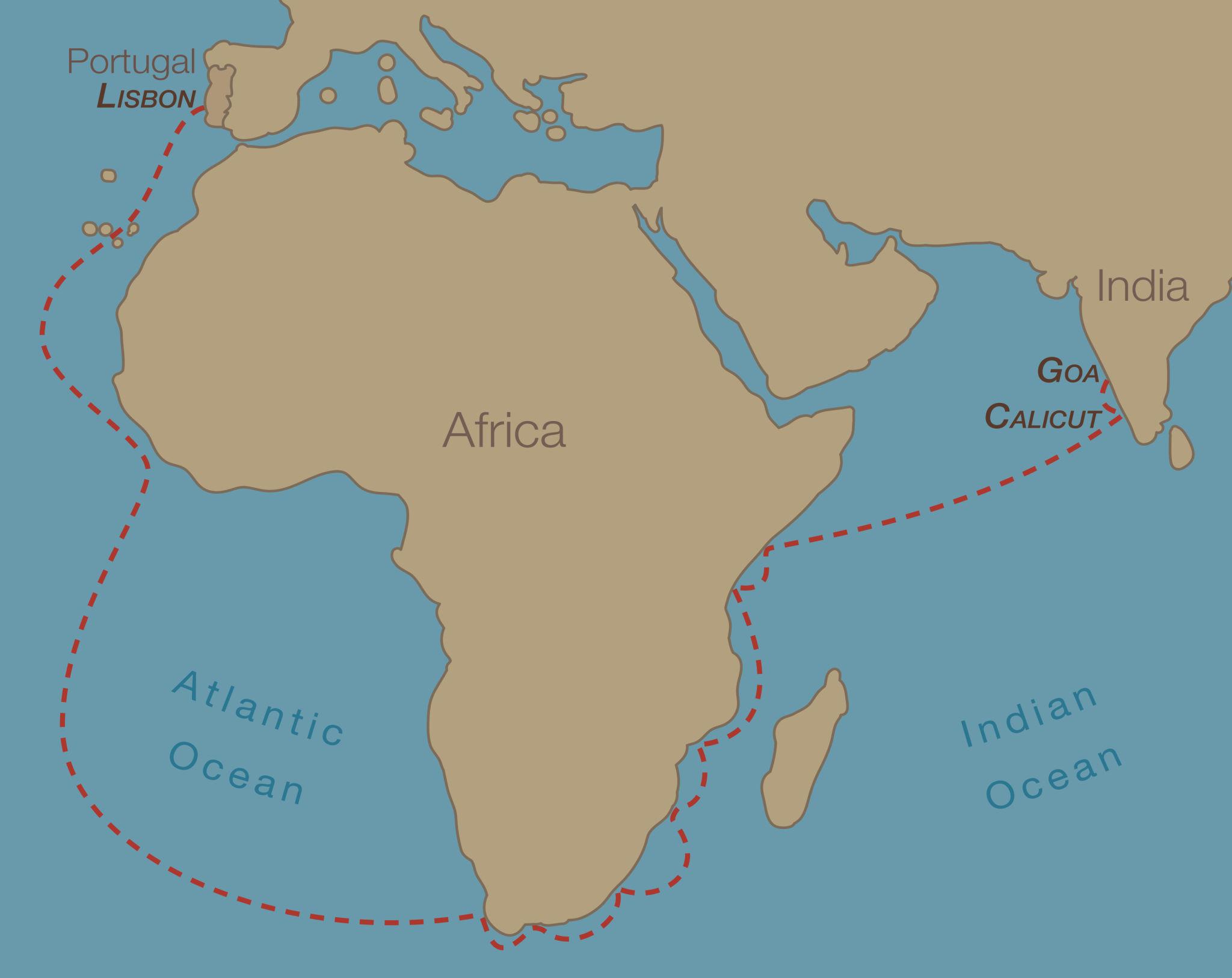
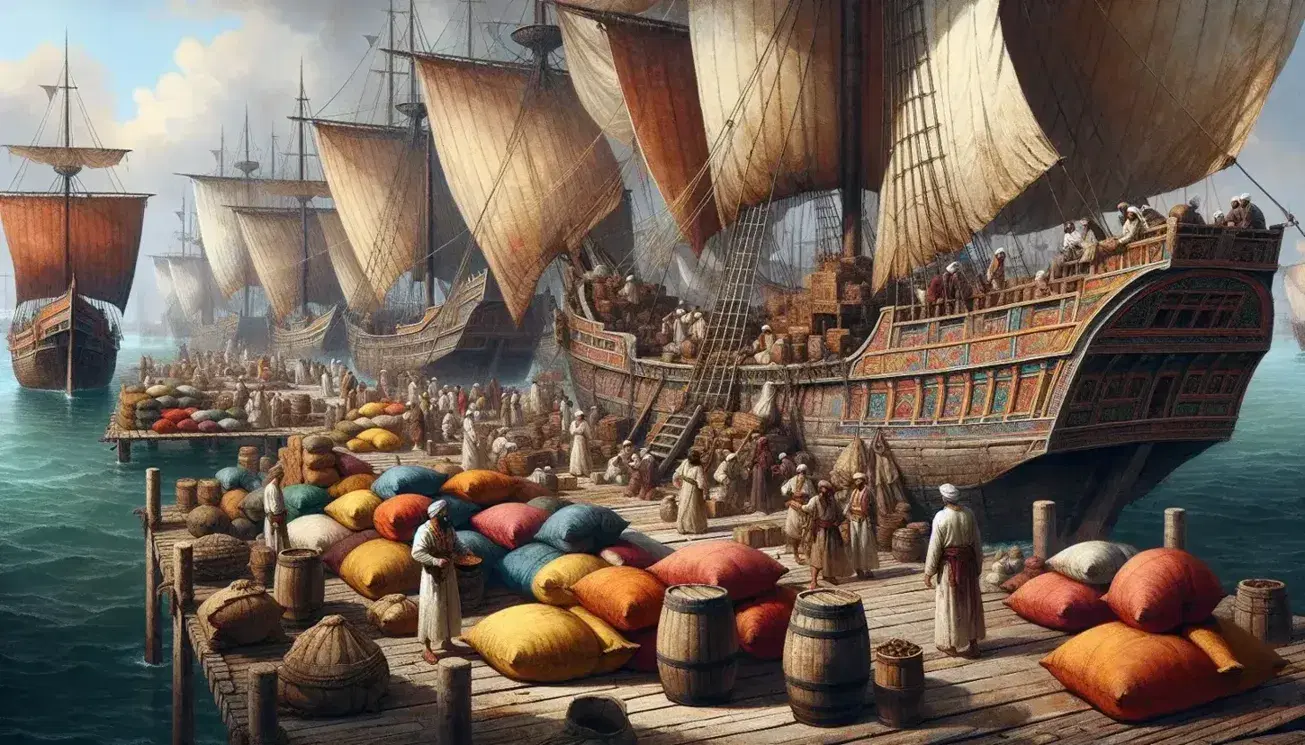
Portugal built a commercial empire based on sea routes, fortified ports, and control of trade.
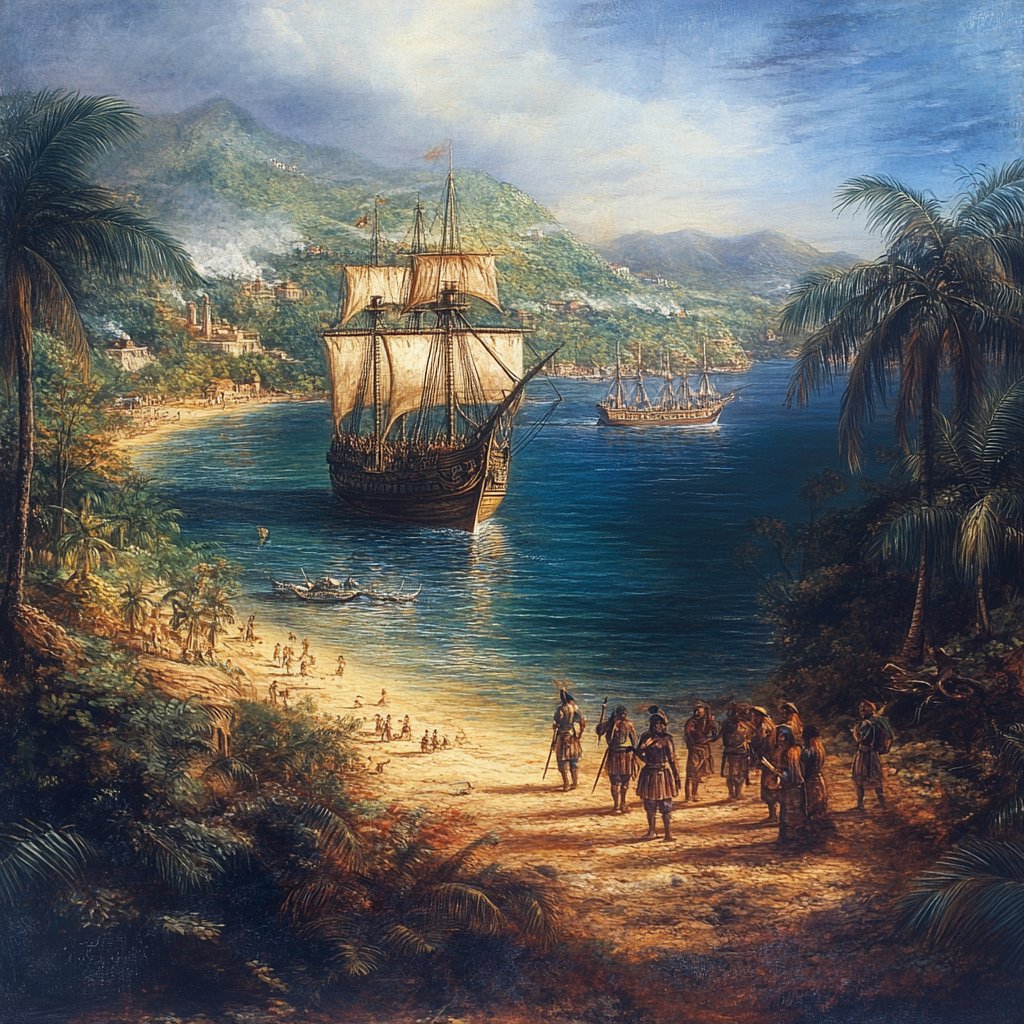
Spain built a territorial empire in the Americas through conquest, colonization, and imperial rule.
Narrative overview
Portugal, Spain, and the making of overseas empire
Portugal and the first maritime empire
Portugal was the first European state to systematically expand overseas. Under the sponsorship of Prince Henry the Navigator, Portuguese sailors explored the western coast of Africa in search of gold, trade, Christian allies, and a sea route to Asia. Over time, this steady process of exploration created a new maritime empire built on navigation, trade, and strategic planning.
By the late fifteenth century, Bartholomeu Dias had rounded the Cape of Good Hope, and Vasco da Gama had reached India by sea. Rather than conquering vast inland territories, the Portuguese established fortified trading posts in places such as Goa and Malacca. Their empire depended on controlling sea routes and commercial access rather than large-scale settlement.
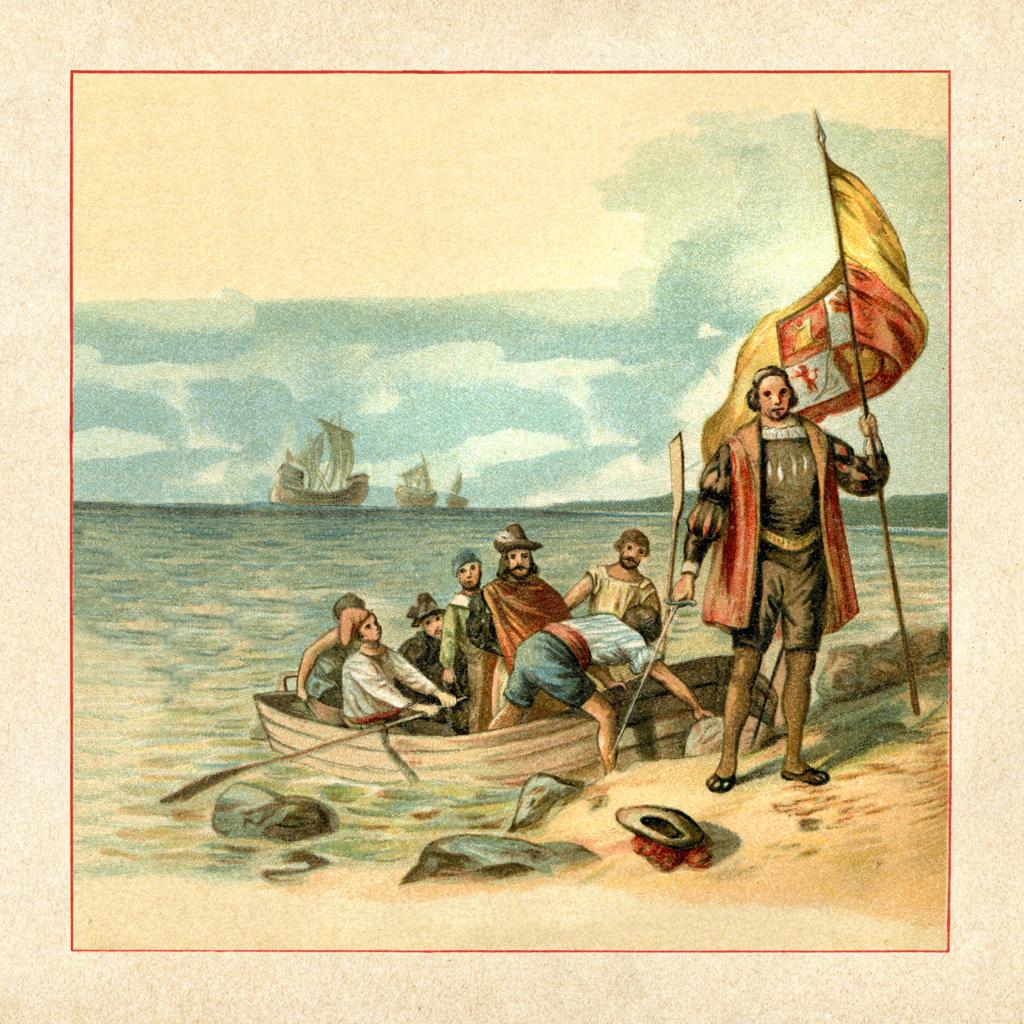
While Portugal focused on Africa and Asia, Spain turned west across the Atlantic. In 1492, Christopher Columbus sailed for Spain in search of a route to Asia, but his voyages instead opened the way for European expansion into the Americas. Later explorers helped reveal that these lands were part of a new world unknown to Europeans.
Spain’s claims were reinforced by the Treaty of Tordesillas, which divided newly discovered territories between Spain and Portugal. This agreement helped shape the early pattern of Iberian imperial expansion and gave Spain control over most of the Americas.
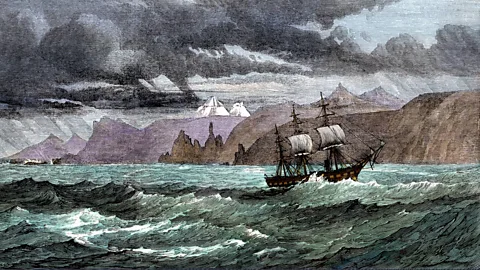
Spain’s westward voyages transformed the Atlantic into a central arena of exploration, conquest, and imperial expansion.
Conquest and empire in the Americas
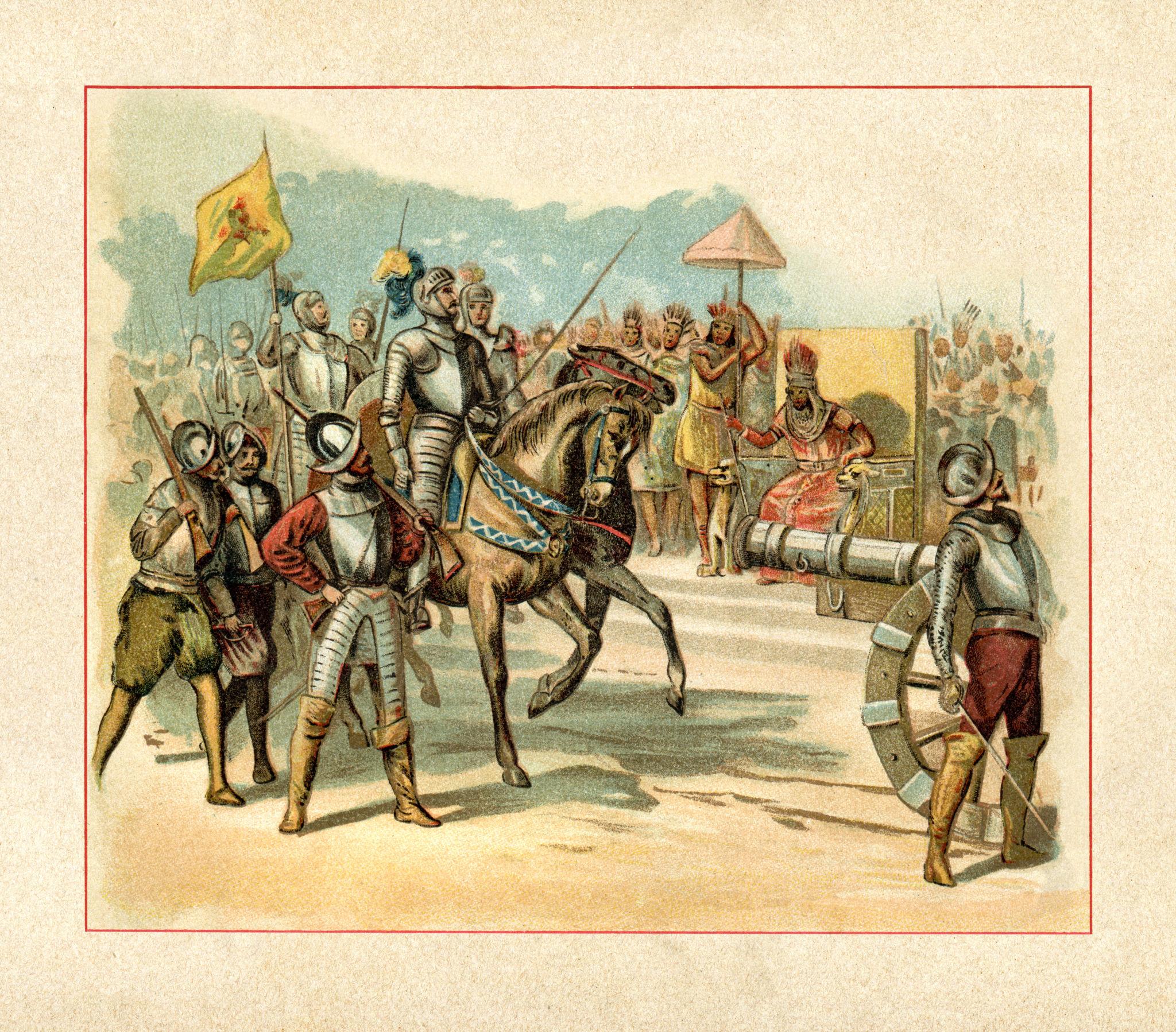
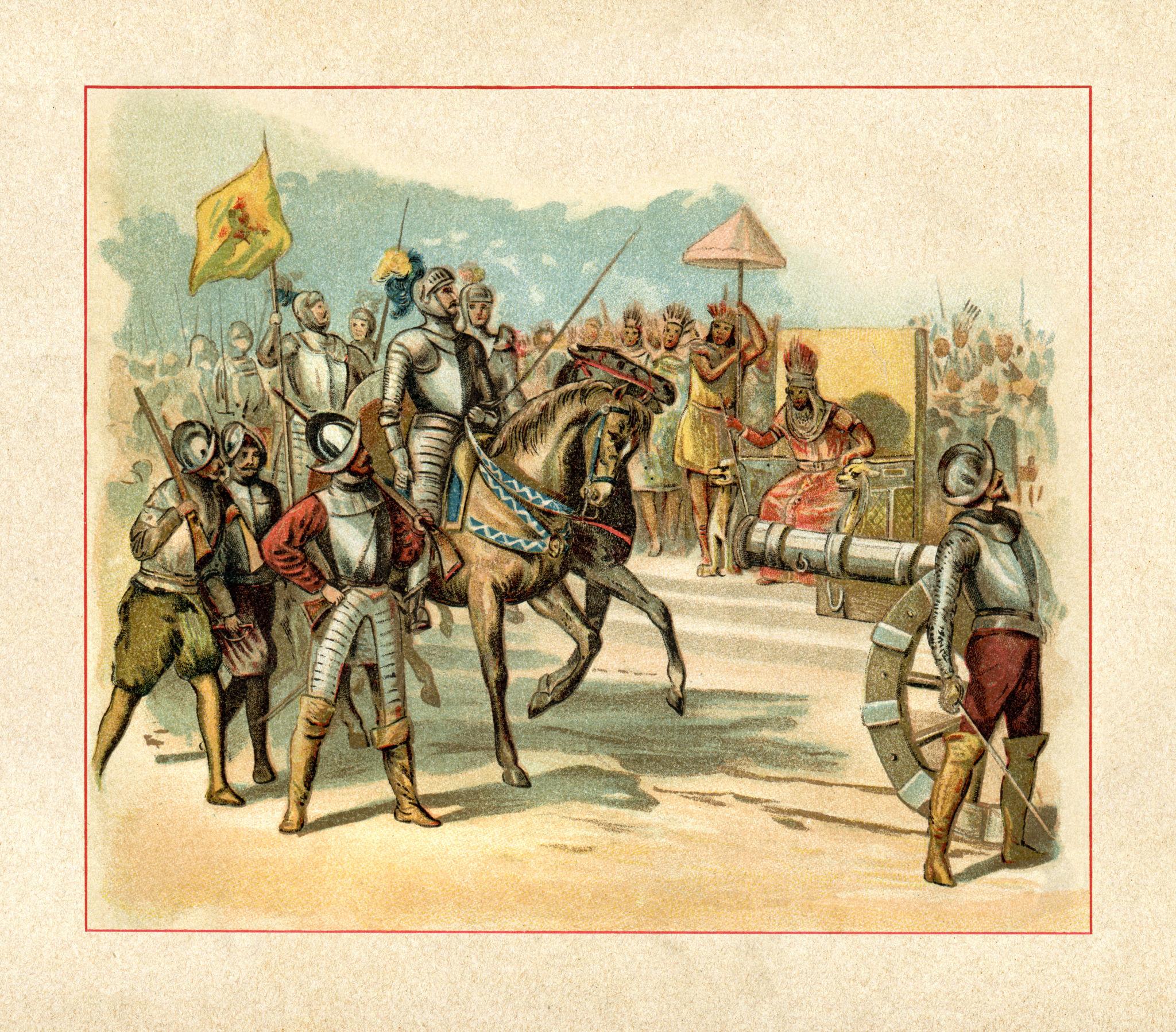
Spain quickly moved from exploration to conquest. Conquistadors such as Hernán Cortés and Francisco Pizarro defeated the Aztec and Inca empires, helping Spain build a vast territorial empire in the Americas. Their success came from a combination of steel weapons, horses, local alliances, and the devastating effects of disease.
These conquests brought Spain into contact with powerful Indigenous civilizations, including the Aztecs and Inca, both of which had complex political systems and large urban centers. The encounter was not with simple societies, but with advanced empires that were weakened by internal divisions and epidemic disease.
Spanish conquest depended on military force, political alliances, and the devastating spread of disease.
Colonial rule and its consequences
After conquest, Spain established colonial systems to govern and exploit its new territories. The encomienda system gave Spanish settlers access to Indigenous labor and tribute, while viceroys governed major colonial regions such as New Spain and Peru. The Catholic Church also became a major force in colonial life through conversion and institution building.
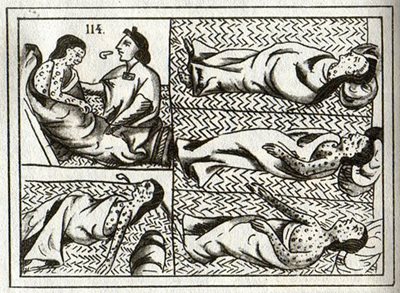
One of the most destructive consequences of European expansion was disease. Smallpox and other illnesses caused catastrophic population loss among Indigenous peoples, weakening resistance and contributing to labor shortages. This demographic collapse helped reshape the economy of the Americas and encouraged the expansion of forced labor systems.
Interactive concept explorer
Open each section to reinforce the major developments
Image-based synthesis
From trade routes to colonial rule
Portugal built power through sea routes, fortified ports, and commercial control.Spain expanded by defeating Indigenous empires and claiming vast territories.Empire brought wealth and power to Europeans, but devastation and exploitation to many others.
Key concept cards
Click to review vocabulary
Knowledge check
Check the major developments
Flashcards
Topic 9 review deck
Advanced Practice
Apply what you reviewed
Return to the essential question
Portugal built a maritime trading empire focused on fortified ports and profitable sea routes linking Europe, Africa, and Asia.
Spain built a territorial empire in the Americas through conquest, colonial administration, labor systems, and missionary activity.
Disease, technology, alliances, and imperial structures all shaped the rise and consequences of Iberian overseas expansion.