Essential question
Why do historians sometimes refer to the monarchies of the late fifteenth century as “new monarchies” or “Renaissance states”?
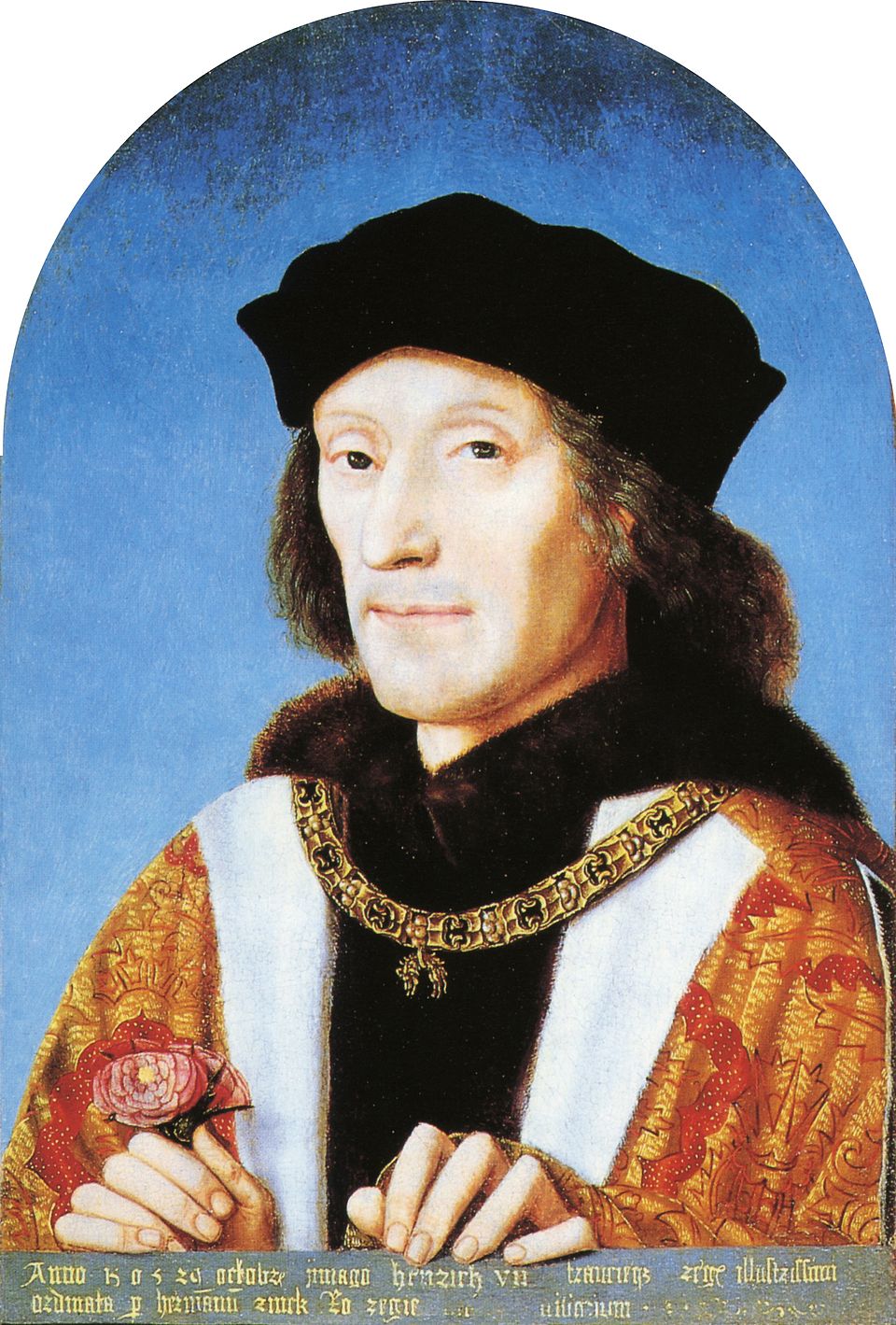
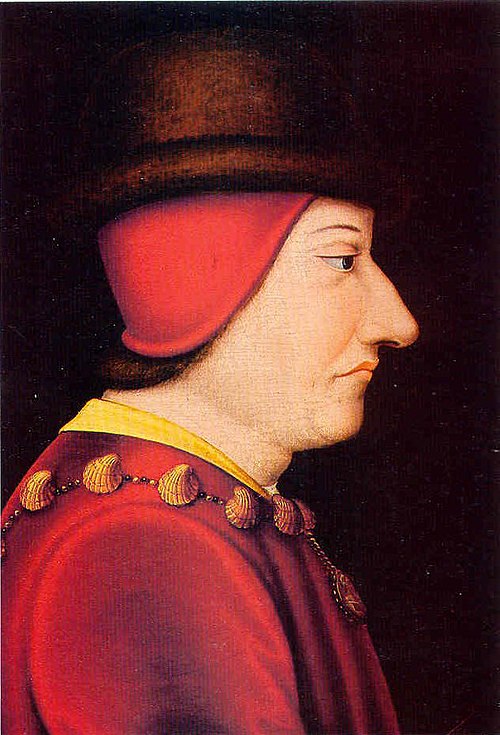
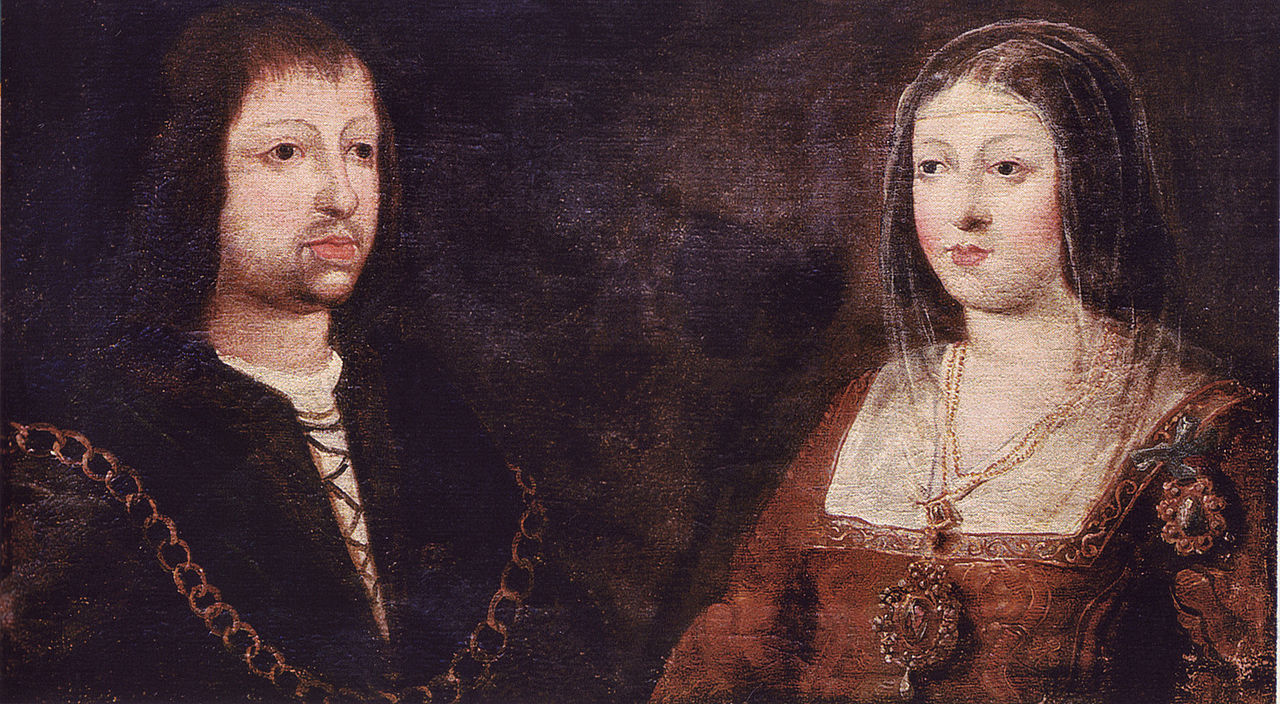
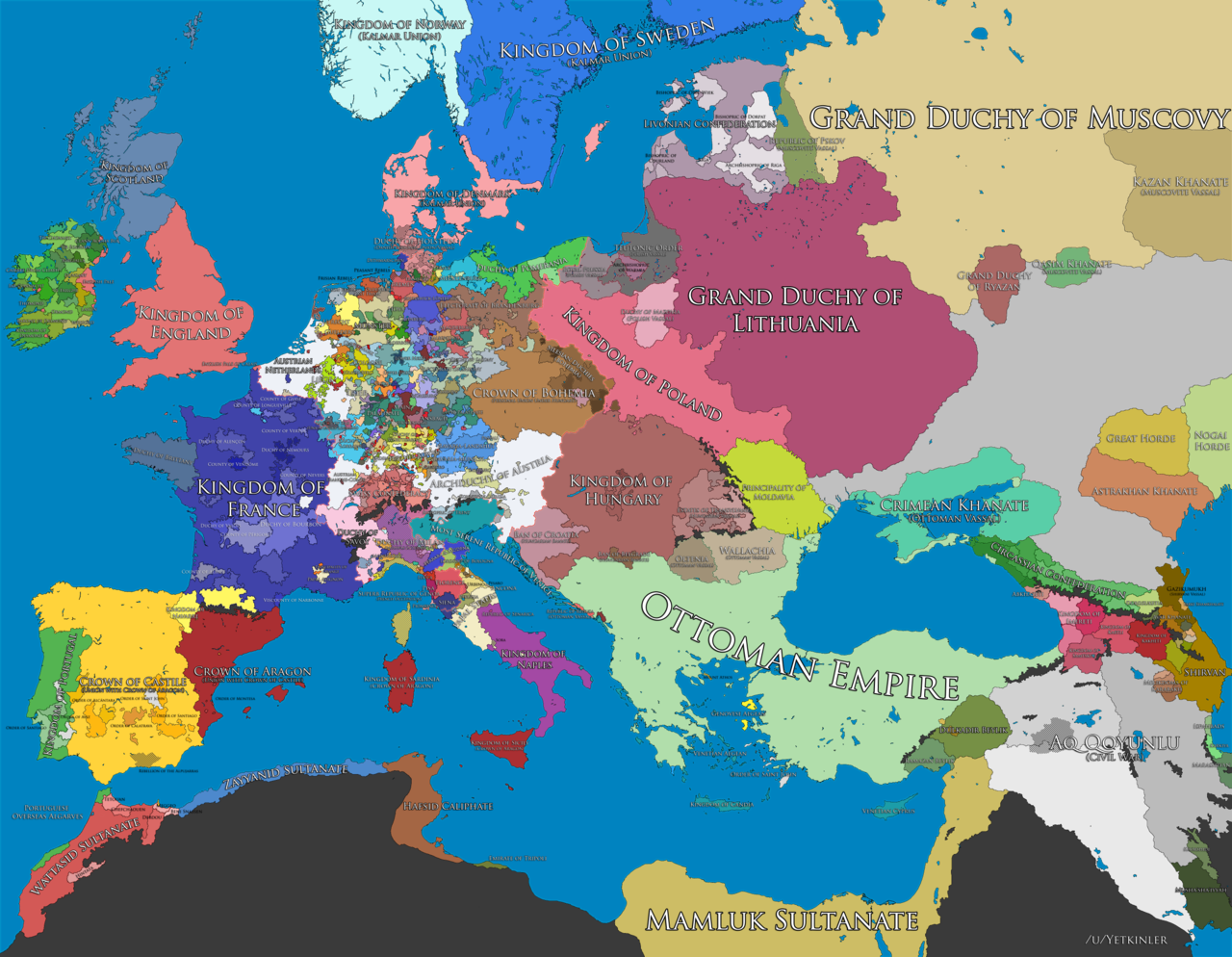
During the later fifteenth century, Western European monarchs in places such as France, England, and Spain recovered from the instability of the late Middle Ages and expanded royal authority. These rulers created more effective tax systems, strengthened armies, built bureaucracies, and worked to limit the independence of nobles, church authorities, and regional rivals. Yet this process was uneven across Europe.
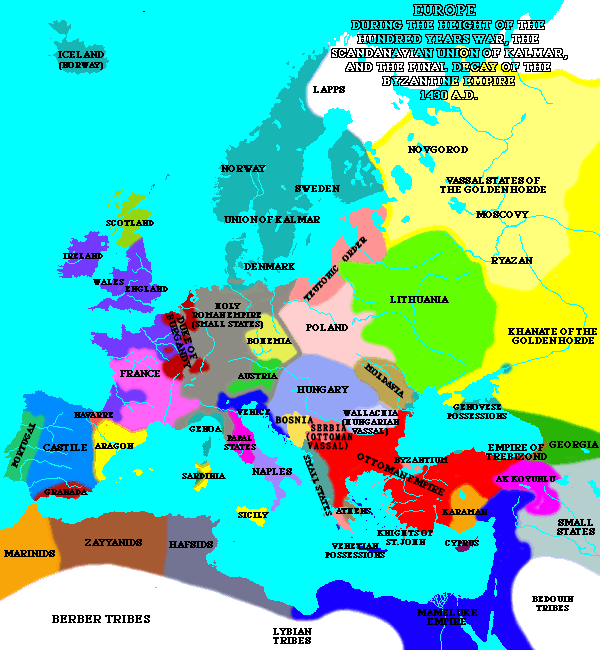
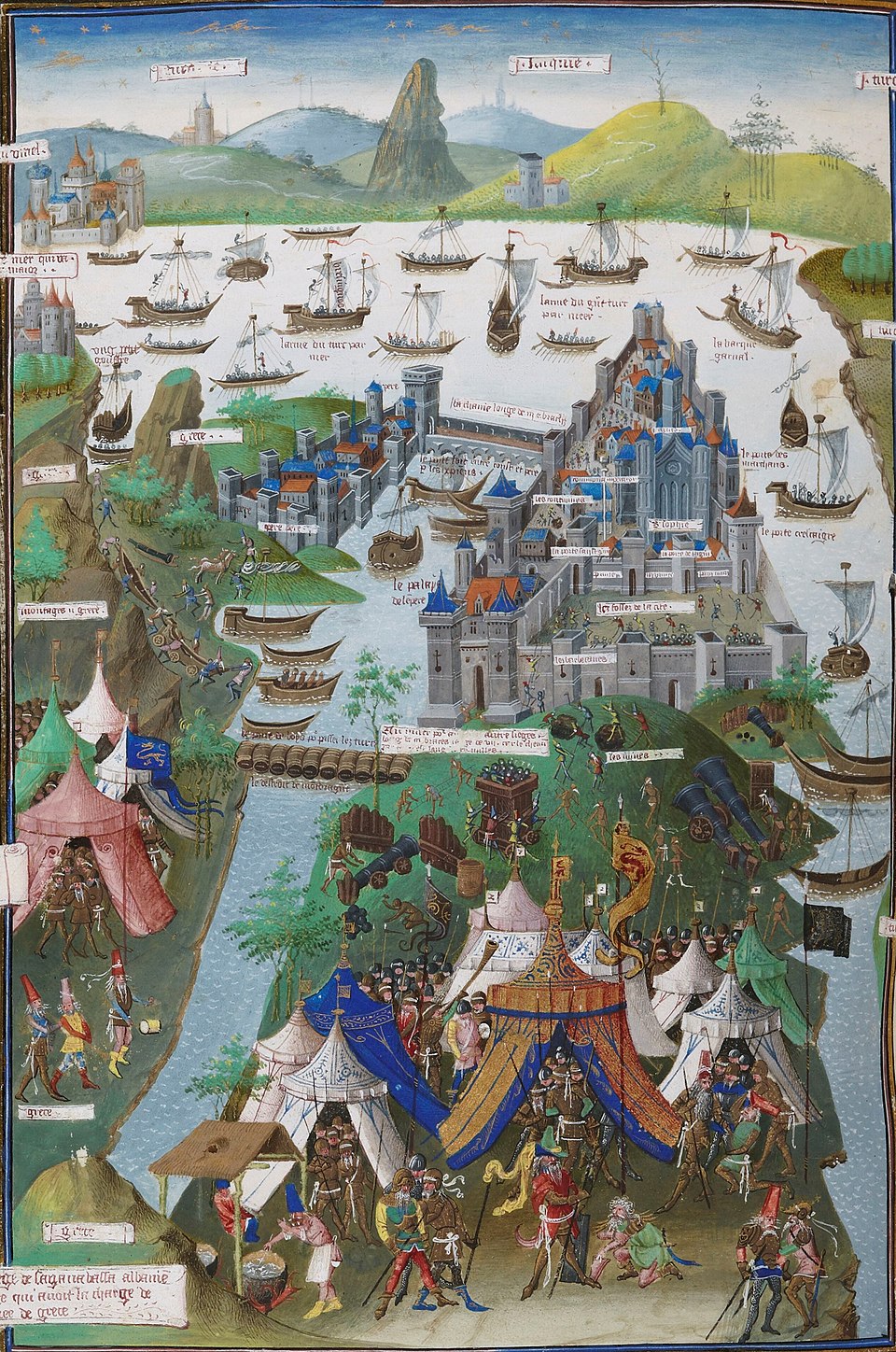
While some monarchies became stronger and more centralized, rulers in the Holy Roman Empire and much of Eastern Europe remained constrained by nobles, local privileges, and regional divisions. At the same time, the Ottoman conquest of Constantinople and continued Turkish expansion reshaped the political landscape of southeastern Europe. Together, these developments show that Renaissance state-building was real, but far from universal.